Hello everyone!! This is week two of our discussion on the fruit of the Spirit. Last week, we went over walking in love. By exploring I Corinthians 13:4-8a, we discovered what love is and what love is not. In John Chapter 13, we saw Jesus’s commandment for us to love one another. Additionally, we were given the model of agape love by our Father. We understood that YAH is our standard for love. We recognized Christ’s sacrificial love in which He willing laid down His life for us. And, through faith in Him, we receive eternal life. Lastly, we recognized the importance of genuinely loving one another, not solely with our words but to follow through with our actions. No lip service, but loving each other sincerely.
Today, we will explore the second fruit of the Spirit: joy. When we experience joy, it is more than a temporary happy feeling. In the biblical context, it can be defined as a profound and abiding sense of happiness and contentment that is rooted in spiritual realities rather than temporal circumstances. In order to walk in joy, we will discuss three areas in which we experience joy: inwardly, expressively to God, and in our interactions with others.
Inner Joy
The first area we experience joy is inwardly. It starts within our hearts. The condition of our heart affects our ability to walk in joy. The trials and hardships of life can attempt to rob us of the joy we have. Nevertheless, we must choose to walk in joy regardless of those experiences. It requires us to exercise maturity to choose joy over despair. Challenges and hardships will come; that is expected in life. It is up to each of us to choose our response when they do come. We can make the decision to stay in a place of defeat wallowing in hopelessness and discontentment. Or, we can choose to put our hope in YAH, experiencing joy despite the unpleasant conditions of life. We must have an inward resolve to put our trust in our Father. When things look bleak and we become discouraged, we have the reassurance that God is our hope. When our circumstances seem unstable, we can find peace and stability in knowing our Father remains consistent. He never changes, and He will not fail us. We can rest in the fact that we are covered by our Father, and regardless of the circumstance, He is with us. He has not left us nor forsaken us. This is a decision we have to make daily. Our adversary, the devil, would like more than anything for us to walk around depressed, defeated, and hopeless due to the trials we face both great and small. So we must overcome those feelings and walk in true joy that is unshakeable because it comes from YAH.
Another reality we must confront as believers is persecution. Whether on a large or small scale, we will experience it. According to 2 Timothy 3:12, it lets us know that all that will live godly in Christ Jesus will suffer persecution. Persecution is unavoidable if we truly live a godly lifestyle in Christ. Instead of dreading the possibility of it, our Savior lets us know to rejoice in it. The persecution and evil words spoken against us, for His sake, let us know we are on the right path. It is all a part of living a righteous lifestyle. The fact that we are experiencing it reassures us of the great reward awaiting us in heaven. So we must endure persecution with gladness, believing that Christ will give us the strength we need in the midst of it.
When trials and persecution come a remedy to maintain our joy is having a posture of gratitude. When we have a heart of thanksgiving, remaining grateful for all that God has done, our focus is shifted from our circumstances to the goodness of God. During life challenges, it is the perfect time to reflect on our history with God and how He has continually sustained us. In doing so, this allows our perspective to shift. Where we previously felt helpless and were in a state of despair, we now have hope and joy in our Father. This is why we must maintain our posture of gratitude toward our Heavenly Father no matter the condition of our lives. This leads us to the next area, expressive joy.
Expressive Joy
Rejoice: To experience joy and gladness in a high degree; to be exhilarated with lively and pleasurable sensations; to exult. (From the Webster’s dictionary 1828)Expressive forms of joy: dancing and singingJoyfully offering praise to God and coming before Him with thanksgiving.
With this type of joy, it is an outward expression of what we are experiencing inwardly. The inner joy we have is now witnessed through our actions. Often, the joy we have in God becomes visible in our praise and adoration to Him. The way in which we offer praise reflects the joy we have or the lack thereof. With joyful praise, it is not forced or coerced. We do not need assistance in encouraging us to give praise that is due to our Father. Instead, it flows from a genuine place within our hearts. In the Book of Psalms, the various authors, especially David, clearly articulate their dependency and hope in YAH. Within a particular psalm, it may start with the author focusing on the opposition he is facing and how it is overwhelming. But throughout the psalm, there is a shift in his focus, and he puts his attention on God, exalting God rather than the circumstance. The Book of Psalms gives us plenty of examples to mirror in our daily lives. We may not experience the same situations as the author, but it shows us the importance of having hope and dependency in our God. In maintaining our hope in YAH, we can have joy even in the midst of trials and hardships.
We can use Psalms to remind us to praise God in the midst of challenging times, not waiting until we have overcome the difficulty. When we choose to praise our Father rather than exalting the challenge, we can experience joy. As we are offering praise that is due to our God, we are strengthened, and our focus is on YAH rather than whatever is threatening our joy. What once caused despair, we now have the ability to endure through it because we have joy that comes only from God. We are able to express our joyful adoration in the way we choose to praise God.
Joyful Interactions with Others
The last area in which we can walk in joy is our interactions with others. The inner joy we have should be expressed to those we do life with. If we are operating in true joy, not just temporary happiness, it will be expressed in our engagement with each other. This can not be faked. In the same way we are to genuinely love one another, we should seek to joyfully interact with others. In Acts 2, we witness how the newly converted believers interacted amongst one another. The scripture details that in their interactions, there was unity and togetherness. It depicts a group of people who truly love and enjoy communing with each other. What’s understood is that they are joined together in Spirit. They all may not have been blood-related in the natural. But they now were spiritually related joined togther by their faith in Christ. They all belonged to the same spiritual family, the body of Christ. Unlike natural families, this family was bonded together by the blood of Jesus. It was the believers’ faith and oneness of Spirit that enabled them to have these joyful interactions.
Final Thoughts
One final thing I want to remind you of is that the joy of YAH is your strength. No matter what you may experience, remember He is present with you. Put your hope in Him, and He will endow you with His joy, helping you to endure the trials and hardships that come your way. It is His joy that will allow you to still offer praise even in the midst of your greatest challenges.
Think About It: Personal Reflection
Am I walking in joy or just experiencing moments of happiness?
Are there any threats to my joy that I need to confront head-on?
What do I need to adjust to genuinely walk in joy?
**Scriptures used from the New King James Bible and the authorized King James Bible
**Definitions from the Oxford Dictionary and biblehub.com
Hello everyone!! This week, we start our discussion on the Fruit of the Spirit. Each week, we will explore one particular fruit. Today’s topic is love. ❤️It’s all about love!!❤️ We will discuss how we can walk in love as a believer. Navigating through scripture will show us what love is, our requirement to love, the example that God provides for us, and how it can be expressed to others.
First, we can understand what love is when we read I Corinthians 13:4-8a. It gives us a perfect understanding of what love should and should not be. I will begin with what love is. In the passage of scripture, we see that love is longsuffering. This means it is showing patience in spite of troubles, especially those caused by other people. Next, love is kind. In showing kindness, we are generous, helpful, and thinking about other people’s feelings. Also, love rejoices in the truth. Verse 7 lets us know that itbears, believes, hopes, and endures all things. These describe what love is. Additionally, it is important to recognize what love should not consist of. When we display genuine love, it is not envious. It’s not boastful of oneself. It should not be prideful. Love is not self-seeking, only looking out for the benefit of oneself.It does not behave unbecomingly or rudely. Love is not provoked to anger. Authentic love thinks no evil. It does not rejoice in unrighteousness. Lastly, it never fails. As believers, we can take 1 Corinthians 13 to analyze if we are truly displaying love the way God has purposed for each of us.
This love is agape love. It’s considered the highest form of love. It is different from storge (familial), eros (romantic), and philia (brotherly/friendship) love. It is unconditional and selfless. What we will discuss further in this post is that our Heavenly Father perfectly shows us how to display agape love. But, before we look at the Father’s example, we must examine the requirement we have as believers.
The Love Command
In the above scripture, Jesus lets us know that we are commanded to love one another. This is not a suggestion but a requirement. He reiterates that when we love each other, we display that we are His disciples. The agape love we give to others shows the world who we belong to. When we choose to love selflessly, we are being Christ-like. Loving others is not always an easy task, especially when dealing with difficult and mean-spirited people. But we have to be mature enough to love the person even when they can’t reciprocate it. Our ability to love is not based on the other person and his/her willingness to embrace us with love. We love because we are instructed to do so. With our Savior giving us this command, we have a perfect model of selfless, unconditional love.
Our Example of Love
Our Father is the template for love. God is love. We look to Him to learn how to love others. In our love walk, we need practice. There may be times when we fall short and do not show love the way that Yah has modeled for us. But when we read the Word, we can mirror God in operating in unconditional love. We see the depth of His love in Romans 5:8 and in John 3:16. It displays sacrificial love. God sent His only begotten Son to die for the sins of the world. In return, the Son willing laid down His life to be the ultimate sacrifice. There is no greater love than that. And, by grace, the free gift of God, all who put their faith in Christ are saved. Because of Christ’s finished work of cross (death, burial, and resurrection), we have life through Him. If we ever struggle with feeling loved, that should be the cure. Through the Truth of God’s Word, we can see and believe that we are fully loved. And, no one can love us more than our Father.
In I John 4:7-21, it emphasizes loving others. It’s a call to action. God loves us, so our response is to love others. When we love, it shows that we abide in God, and He abides in us. As I previously mentioned, displaying love shows the world who we belong to. While the world dishes out hate, we choose love. But it’s not a tolerant, all accepting love. It does not think evil, nor does it rejoice in iniquity. This love does not make allowances for sin or any type of wickedness. It is not tolerating what God has condemned but giving the truth in love led by the Spirit of God.
At the end of the passage, God instructs us to love our brother. He shows us that we can not genuinely love Him if we don’t love our fellow brethren. We must love the people we do life with. We can not harbor hate in our hearts and truly love the Father. In spite of conflicts, disagreements, and even offenses, we must forgive so we do not become bitter and harbor resentment. Consequently, bitterness and resentment can turn into hatred. This shows us the reason why we need to be long-suffering. Otherwise, we would constantly stay in a state of offense, unable to love our fellow brethren. God shows us that the selfless, sacrificial love we give to others must be enduring and genuine.
Genuinely Loving Others
Dissimulation: the fact of trying to hide your real feelings, character, or intentions (from the Cambridge dictionary)
As believers, our love needs to be genuine. Our words and deeds should be in alignment with each other. When we say we love others, we should follow through in our actions. Anything else is merely lip service and insincere. It is possible to feign an “I love you.” But, what we do, or rather how we treat others, proves something entirely different. I want to reiterate the importance of working through differences, disagreements, and conflicts. We can not afford to let trivial things become magnified, bringing in discord, which causes a breakdown in our love walk with others. Genuine love takes maturity. It is giving up the right to be right. It involves putting off any selfishness and ego. Instead, we work through the challenges and hardships together in order to achieve a peaceful resolution and love one another sincerely.
In Romans 12:10, we are instructed to be kindly affectionate to one another with brotherly love. This lets us know that we must show love to each other as in a family. Just as families may have disagreements that can be resolved, the same applies within the body of Christ. As believers, we make up the members of the body, which represent God’s spiritual family. It is important for us to see each other as family enabling us to better love. We operate in selflessness and honor when we give preference to one another.
If we still are having a difficult time displaying love, we need Yah to reveal anything hidden in our hearts that’s hindering us from genuinely loving others. With His guidance, we can identify the root and work towards resolving the issue. But regardless of the issue, we must be mature enough to address it, choose to forgive, desire to reconcile, and then operate in love. No matter what we face in our love walk, we should always remember who our example is. We can turn to our Father, who is the blueprint. When our ability to love is being tested, we have the Word to guide us in agape love. And, thankfully we have the Holy Spirit who brings to our remembrance the Word which we have meditated on and hidden within our hearts. That is why it is vital to meditate on God’s Word so it can be utilized when real-life situations occur.
RECAP
LOVE is… LOVE is not…
Longsuffering
Kind
Rejoicing in the Truth
Bearing, believing, hoping, and enduring all things
Selfless and Sacrificial
Envious
Boastful of oneself
Prideful
Self-seeking
Unbecoming or rude in behavior
Provoked to anger
Thinking evil
Rejoicing in unrighteousness
Love never fails.
Think About It: Personal Reflection
Am I genuinely walking in love?
In what ways can I better show love to others around me?
Challenge: Find someone to sow a seed of love into his/her life.
**Scriptures used from the New King James Bible and the authorized King James Bible
Hello everyone! In the previous blog, we discussed honoring God with our bodies. And, in order to do so, it’s important that we walk in purity. Today, we will continue this discussion. Purity is often mentioned pertaining to sexual purity, but it actually encompasses more than that. It involves us living free from all immorality, not solely sexual immorality. It is important to understand that as believers, we are called to live purely. This is not a movement or a sub-culture. It’s not reserved for a select group of believers. It is an expectation for all who are saved putting their faith in Jesus Christ.
We must understand that purity is more than abstaining from sexual immorality. You can be a virgin and still not be pure. The absention of fornication is not the equivalent to purity. In today’s blog, we’ll discuss areas in our lives that affect our purity and how we can be intentional about successfully walking in purity.
It Starts in the Heart
In the above passages, Jesus lets us know that we are defiled (made impure) by what is in our hearts. When we make the decision to speak or act on something impure, it was first conceived in our hearts. It is important for us to recognize that whether or not we are operating in purity is based on the condition of the heart. Jeremiah 17:9-10 says, “[9] The heart is deceitful above all things, and desperately wicked: who can know it? [10] I the LORD search the heart, I try the reins [test the emotions], even to give every man according to his ways, and according to the fruit of his doings.” We are unable to know what is hidden in our hearts, but our omniscient Father has the ability to search our hearts thoroughly, examining it. With Yah, nothing is hidden from Him.
To walk in purity, we must know that we do not trust in or follow our hearts. It is deceitful above all things and desperately wicked. Instead, we are to trust in God to examine us and reveal any areas of impurity. It may not be easy or comfortable, but it is necessary.
Examining our Lives: What is in our Hearts
When we give the Father access to reveal what is hidden in our hearts, we may attempt to avoid what He confronts us with: the Truth. We can not run from it or continue to turn a blind eye to it. Doing so will only cause more issues and allow the impurities to stay in our hearts. Instead, what He reveals should bring us to a place of confession and repentance. Any revealed sin is for us to confess to the Father and turn from it, not to continue holding on to it. It brings conviction, not condemnation. The revelation we receive should cause us to draw near to the Father with a repentant heart rather than distancing ourselves from Him.
Also, we need to examine our lives for areas that can lead to impurity. With the help of the Holy Spirit, He can show us these areas. One major area is sexual immorality (fornication, adultery, homosexuality, lesbianism, pedophilia, bestiality, incest, etc). When we use our bodies in any unlawful act that is prohibited by God, we are defiling our bodies. As it was mentioned in the previous blog, our bodies are the temple of the Holy Spirit. So when we commit sexual immorality, we defile the very place where God dwells. We can not participate in unlawful sexual activities and walk in purity. We must yield our bodies as a living sacrifice to God and be a vessel of sanctification and honor. It is vital that we give up any lifestyle of sexual immorality if we truly desire to walk in purity.
The next two areas are oftentimes avoided in discussion: masturbation and pornography. I would group these under sexual immorality, but they needed to be discussed on their own. With the topic of masturbation, there are varying opinions on its acceptance or rejection. I find myself posing the questions: Since God has designed sex to be enjoyed between husband and wife, how would He view a person seeking sexual gratification with himself or herself? Would He condone this behavior since it is outside of His original design for sex? This is not to condemn anyone for what they may have done but to consider if all our sexual behaviors or practices are pure in nature.
With pornography this encompasses pornographic sites, videos, magazines, and erotic fiction. These are all a threat to our purity. We can not maintain a lifestyle of purity if we continue to have various types of pornography in our lives. It is not harmless, nor is it “adult entertainment” as it’s often characterized in society. Pornography is damaging to our lives and our relationships with others. It opens the door to lust and perversion. It changes the way we view sex and others. It impacts the purity of our minds. Our perspective shifts from what is pure and holy to what is impure and profane. Not only does it lead to impure thoughts, likewise even our sexual desires can become distorted from what we have witnessed in pornography.
A subcategory within pornography is erotic fiction. This type of literature is just as damaging to the purity of our minds. Even though there are no visuals, the author provides vivid descriptions that leave nothing to the imagination. It has the capability to stir up the same lustful feelings as if you were watching pornography.
The next area I will discuss is our conversations, whether it is with others or the inner dialogue we have with ourselves. If we engage in gossip, slander, and back biting, that affects our purity. When we participate in these actions, it affects the way we see and/or interact with others. It can cause strife, division, and overall, a breakdown in the relationship. Even when we don’t respond to another person entertaining it, we shouldn’t give our ear to these ungodly conversations. We should remove ourselves from it.
Another area that affects our purity is entertainment. The entertainment we watch or listen to is very influential. The TV shows and movies we choose to watch matter. The music and podcasts we decide to listen to matter. We have to be mindful of the types of entertainment we readily accept. We must guard our gates, especially our eye and ear gates, because what we receive through entertainment can be a hindrance in our purity walk. We each have to be responsible for examining what we receive and assessing what message is being given.
The last area I want to discuss is social media. Who and what we follow can impact our purity. If we are intentional on walking purely, we have to go through a removal process letting go of the things that serve as stumbling blocks. That may include unfollowing certain accounts that promote ungodly material and stir up impure thoughts. Also, it wouldn’t be wise to follow people who do nothing but stir up arguments, strife, and division. It is necessary to do a clean sweep through our friends or followers list to remove any hindrances to our purity.
After we have allowed God to search our hearts and we have examined our lives, we can focus on pursuing a lifestyle with a pure heart.
Purity of Heart
To walk in purity, we must have a pure heart. This involves us inviting the Holy Spirit to lead us through sanctification. We need the impurities to be removed from our hearts. It is the combination of making practical decisions and the Spirit of God doing a work on the inside of us. The practical steps are removing things in our lives that are unmistakably sinful and impure. As well as turning from any sin the Father has revealed to us. We each have to have the desire to live purely. There is a difference in doing so out of obligation compared to a genuineness of wanting to please God living in a way that glorifies Him. In the challenging areas, we can seek the Father to give us the endurance we need to continue walking in purity. Throughout life, temptations will come, and there will be times we need more of His strength to be able to resist. In areas of weakness, we are able to pull on His strength to continue walking in purity. And if we fall, we need His grace that we do not have to stay in a low place of condemnation. Instead, with a repentant heart, we are able to confess our sin to the Father and turn from it.
Put it into Practice: Walking in Purity
Examination and Revelation
Allow the Father to search our hearts to reveal any impure areas (sin) within us.
Confession
Confess our sin to the Father
Repentance
Turn from the sin and turn to God
Our heart posture has to change toward sin
Belief
Believe that we are forgiven and that the sin is covered under the blood of Jesus
Purification and Refining
Allow God to purify and refine us, removing the impurities in our hearts
Mind Renewal
Renew our minds with the Word of God
Removes the filth (impurity) within our hearts to be aligned with what is pure and holy
Walk in Godly wisdom: Guard our Hearts
We must keep guard over our gates: Eyes – what we watch; Ears – what listen to, including conversations with others; Mouth – what we speak; Mind/Thoughts – what we meditate on
Sexually explicit materials
Pornography (videos, websites, and magazines), erotic novels, romance (sexually graphic) novels, etc.
Entertainment: Music, movies, and TV shows
Remove entertainment that is a stumbling block and entices us to sin or glorifies sinful behavior
Social Media
Unfollow social media accounts that can be a possible hindrance to your purity lifestyle.
Unfriend: Don’t be afraid to unfriend people who post material that can be a stumbling block for you. (Pleasing God takes priority)
Separation
People: Separate ourselves from others who will entice us to sin, drawing us away from a lifestyle of purity
BOUNDARIES: There are times when we can not completely separate ourselves but instead exercise Godly wisdom in how to handle our interactions.
Places: If we are intentional about walking in purity, there are places we should not go as believers. (Be led by the Holy Spirit)
Community
Surround ourselves with other believers who are intentional on walking in purity as well
Think About It
What is influencing your perspective of purity? The Word…Family…Friends…The Church…Community…The culture of society…Media…Entertainment…Social Media
Does it help or hinder you from walking in purity?
Scriptures to Meditate on: Psalm 51:10 KJV (posted below) and Proverbs 4 KJV (posted separately)
Create in me a clean heart, O God; And renew a right spirit within me.
**Scriptures used from the New King James Bible and the authorized King James Bible
Next Week’s Blog
Next week, we will start discussing the Fruit of the Spirit. Each week, for the next 9 weeks, we will focus on one fruit of the Spirit.
This month marks my 10-year abstinence journey. There are times when it seems like it was only a few years ago when I made the decision to remain abstinent until marriage. Then, at other times, it feels even longer. In the beginning, it was a major adjustment. Along the way, there’s been a lot that I’ve had to learn and unlearn. I have experienced numerous highs and lows. During certain periods of time, I found immense peace and true contentment in my singleness and abstinence, especially within the first few years. On the other hand, later in my journey, I hoped marriage was right around the corner for me. The struggle was real. I had no desire to go back to fornication but the desire for companionship and sex was very present throughout this 10-year period.
In today’s blog, I want to share my journey of making it to 10 years. It was no easy feat, but it has been worth it. It is only by the grace of God and continually making the decision to remain abstinent that has allowed me to successfully make this far. It is not in my own strength. No matter the challenges I have overcome, I truly believe this is one of the most important decisions I have ever made in life. I hope that sharing my story will encourage others who are living an abstinent lifestyle and for those who are struggling with fornication to start theirs. For the readers who are married, please share with family, friends, and acquaintances who are unmarried to help them as they are navigating their singleness. It is not always a cakewalk, and oftentimes, we need some encouragement to endure through it.
My abstinence journey started in June of 2015 when I was in my early twenties. I had been in a backslidden state where I was fornicating, clubbing, drinking, and occasionally smoking weed. The way I was living was a stark contrast to how I was raised. Yes, I was young and now a “real” adult. Regardless of my young age, how I carried or presented myself was nothing like what my mother had instilled into me growing up. But in spite of being wayward, living in a state of sin, the Father still was pursuing me. I like to say, “God was thinking about me, even when I wasn’t thinking about Him.”
During that time in my life, I was trying to cover up some of the mental and emotional pain of my childhood with male attention, affection, sex and other forms of comfort. I was avoiding what caused the pain. Instead, I sought to find love or some type of affection through lust-filled encounters. In the months leading up to June, I could feel a change taking place in me. My desires were changing. What I once enjoyed I no longer cared for. In the beginning of 2015, I could sense a change in the dynamics of my friendships. There was a progressive separation that was taking place. I didn’t fully understand at first, but I became completely aware months later. When I made it to June, I was at a place where I was flat-out tired. The lifestyle of clubbing and fornication was no longer appealing to me. My environment was changing. The friends I once were close with I no longer wanted to be around. My desires were changing, and with it came separation.
In early June, I had an encounter with Christ in my bedroom where I came to the end of me. I no longer wanted to live the way I had been living. The love, acceptance, and affection I had been looking for was not foundin sex or in another person but in God alone. It was in my bedroom where I gave up my lifestyle of fornicating, clubbing (partying), and smoking weed. I was done. At that very moment, what I once found comfort in, I no longer wanted anything to do with it. I wanted it out of my life. I was willing to leave a lifestyle of sin and separate myself from friends who would only influence me to continue sinning. Throughout the month, God purged a lot out of my life. As He was removing things and people out of my life, my desires were beginning to align with His desires. The stumbling blocks had to go.
In the same month, I joined a new church. For the next three years, I was immersed into serving at my church. While many people my age had other pastimes, I was involved in various ministries in and outside of the church. From 2016 to 2018, I was at church at least three times a week. During this period, God was maturing me while He had me separated. Between years three and four of my abstinence journey, I started counseling, and I joined a local group of likeminded believers who were on a similar path. While in counseling, it gave me the opportunity to confront the root cause of my past behaviors. Prior to, I was serving and serving, always busy in church. The majority of the time, I was at three possible places: work, home, or church. I stayed busy. But the problem I faced was I didn’t get to the root “why” of my past sins. During my counseling sessions, I was able to address what I had suppressed from childhood into adulthood. By confronting my past, it opened the door for healing and led me to experience deliverance.
Throughout years three to five, I continued to pursue healing. It was my desire to eventually be married and have a family of my own. I wanted my future husband and children to receive the healed version of me, not the angry, resentful, and rejected version I had grown to know. At that time, I was content in my abstinence journey. Occasionally, I thought about being in a relationship and sex. In reflecting on those moments, I am thankful for what it taught me. I could not allow myself to be driven by lust, and I had to take captive any thought that would cause me to reminisce on the past.
Then, things shifted between 2020 and 2021. During that period in my life , I had to navigate through many challenges. With the pandemic came changes at work, and I struggled with the mandated shutdown. My life consisted of work and home, with the exception of going to the grocery store and gas station. And, on top of that, I was working in the hospital. Then, in early 2021, my mom was diagnosed with terminal cancer. She passed shortly before my birthday. I was struggling to adjust to life without her. I had peace with her passing; but, the pain I felt was her absence in my life. I contemplated so many what ifs. At this time, I was heartbroken that my mom was gone and that she would never witness me get married or have children. I felt so behind in life, like I was missing something. Shortly after her passing, I tried to pursue online dating after someone’s suggestion. That was horrible advice.
I was in no shape to date anyone; doing so would have been a recipe for disaster. More than likely, it would have resulted in me falling and engaging in fornication. With everything I was battling, I would not have made wise decisions that would keep me. But thank God for His divine protection and keeping me. Throughout the past few years, I have dealt with inner conflict with my desires. I still had the desire for marriage and family, but honestly, I was struggling to believe if it was attainable for me. I was trying to find contentment, but continually, I felt conflicted. By year eight, the discontentment plateaued. In reading and meditating on Philippians 4:11-13, I found the contentment I needed.
11Not that I speak in respect of want: for I have learned, in whatsoever state I am, therewith to be content.12I know both how to be abased, and I know how to abound: every where and in all things I am instructed both to be full and to be hungry, both to abound and to suffer need. 13I can do all things through Christ which strengtheneth me.
No matter my relationship status, I could find contentment in Christ. He would give me the strength I need to endure through my singleness. Yes, I would have times where I thought about sex or desired it, but I was not overcome by it. I recognized that everything i had felt was not lust, even though some was. I learned the difference between what was lust and what was a natural human desire to be managed the right way. Throughout these 10 years, I learned there is more to life than sex. In a society driven by sex that glorifies sex outside of marriage, I have the awareness that it is not the end all, be all of our existence. Pertaining to marriage, I still have the desire, but whether I am single or married, it is my hope to be content. I still believe the desire to be married is healthy and commendable. But I choose not to be overwhelmed with whether or not I will be married. I want to have true contentment and fulfillment in Christ. Only He will be able to sustain me. In my journey, I discovered it helped to share the highs and lows with other believers pursuing abstinence. It gave me the opportunity to see how others have similar experiences, and it encouraged me to keep going.
In sharing my abstinence story, I pray that it helps and encourages you. I know it is not an easy journey, but it is worth it. Whether you started and have fallen, never been abstinent, or are successfully navigating your abstinence journey, this week’s post can help you. Regardless of what you read here or somewhere else, it boils down to making a choice. If you are unmarried [single (never married), engaged, divorced, widowed], will you choose to honor God with your body?
Understanding Fornication
In discussing fornication, we must have the correct understanding of what it means. Fornication is defined as (1) unlawful sexual intercourse of an unwed person and (2) consensual sexual intercourse between two persons not married to each other. In multiple areas within the Bible, we are instructed to abstain, avoid, or flee fornication. It doesn’t get any clearer than that. This shows us how God feels about sexual sin. As believers, if we are unmarried, we are not to be engaging in sex, period. We live in a society that endorses sexual liberation, which includes premarital sex, “casual” sex, situationships, one-night stands, etc. But all of this goes against the Word of God. In 1 Corinthians 6, Paul tells us that the body is for the Lord and not for fornication. Our bodies are members of Christ. Not only that, we must understand that sex is the joining of two individuals spiritually. Sex is not solely a physical act between two individuals; it is spiritual as well. This takes us back to the Garden of Eden when God tells Adam that man is to leave his father and mother and cleave [to adhere firmly and closely or loyally and unwavering] to his wife. And, the two become one flesh.
Understanding Fornication
So we must understand that when we have sex with another person, we are spiritually tied to that person. By God’s design, that tie is intended for a husband and wife, not a boyfriend and girlfriend or between a man and his fiancée. Sex is designed by God to be enjoyed between a man and woman within the covenant of marriage.There are no exceptions. We can not twist the Word to fit our sin nor allow others who are fornicating convince us differently. We must honor God with our bodies and avoid fornication. Our bodies are not our own. Our body is the temple of the Holy Spirit. As born-again believers, the Spirit of God dwells inside of us. In verse 20 of 1 Corinthians 6, it lets us know we are bought with a price. In return, we are to glorify God in both our body and Spirit because they are God’s. Once we are born again, we can not do whatever we please with our bodies. We should no longer use our bodies to fulfill the sinful nature of the flesh. We are required to use our bodies to do what is pleasing and acceptable to our Father.
If we choose to continue in fornication, we need to have the awareness that there are consequences. And we must examine the severity of those consequences.
Consequences of Fornication
Fornication has both natural and spiritual consequences. We must choose if we are willing to accept the weight of it. One of the major consequences to consider is that it will cause us to be spiritually tied to the individual. This means that in the spiritual realm, you are illegally joined to this individual who is not your spouse. The next consequence is STDs. Fornication can bring physical and spiritual STDs. This doesn’t mean just Sexually Transmitted Diseases but also Sexually Transmitted Demons. Because you have committed sin by fornicating you have given the devil legal access into your life. As a result of sin, we become easy targets to receive other spirits outside of the Holy Spirit.
Sexual sin can affect not only our physical health but our spiritual health as well. Another physical consequence is pregnancy, which often leads to additional consequences. There are situations in which these pregnancies are terminated and result in abortion. The parent(s) view the child as an inconvenience or try to cover up the sin of fornication with the murder of the innocent child. Yes, those are harsh words to say. But it is the truth. We can not cover up one sin with another and believe that it goes unpunished by the Most High. The shedding of innocent blood further gives the devil legal access into your life and the ability to oppress you with other demonic spirits.
Pregnancy can also cause a strain on the relationship and may result in the couple breaking up. [relationship ending] Then, the child is raised in a single-parent household. No matter how society attempts to normalize single parenthood, a child thrives better in a [healthy] household with a father and mother. Children need their father and mother; both parents play vital roles in the upbringing of the child. In some cases, the parents can co-parent responsibly. Other times, it is chaotic and dysfunctional, which is detrimental to the child. Another real consequence to think about is the possibility of abandonment after the relationship ends. Not all parents stay around or are active in their children’s lives.
It takes two people to create the child, but one parent may not be willing to face the consequences of their actions and raise their child. They lack maturity, stability, and responsibility to meet the needs of their child/children. They were more concerned with the act of sex (their pleasure) than the possible result: a baby. In those situations, the child or children suffer. For unmarried couples that remain in a relationship and live together, a consequence is long-term relationships without marriage or delayed marriage years later. They do everything that husbands and wives do without making it official and right in the eyes of God. But compared to everything previously mentioned, nothing is more dreadful than the fate that awaits fornicators. Fornication results in the person not having an inheritance in the Kingdom of God. We can not live in sexual sin and have eternal life. We have to face the reality that engaging in fornication results in losing your soul in hell. We can not be born again expecting to receive eternal life if we continue in fornication. The decision is yours to make.
Now that we have discussed the consequences of fornication, it is important to go over the benefits when we choose to do it God’s way.
Submitting to God’s Way
(Yah’s Way is the Best Way)
While unmarried [single (never married), engaged, divorced, or widowed], we are to honor God with our bodies.**Concupiscence: desire, craving, longing, desire for what is forbidden; unlawful or irregular desire of sexual pleasure
When we decide to abstain from fornication, it comes with many benefits. No matter how others try to convince you that it’s impossible to live without sex before marriage or that you are missing out, we must know it is worth it. Abstaining gives us the ability to honor God with our bodies. Instead of giving in to sexual sin, we can purely use our bodies to glorify the Father. Abstinence prevents us from being spiritually tied to an individual who isn’t our spouse. [No sexual soul ties] We are able to benefit from not having to worry about STDs because there are no threats to our physical and spiritual health due to sin. [No STDs]
There is no possibility of unplanned, out of wedlock pregnancies. And it is worth mentioning again, no STDs. When sex is out of the picture, we are able to think clearly and have better judgment. While dating, we are able to better determine who we should give our time, energy, and effort. In a relationship, it gives you a clearer perspective to exercise wisdom and decide if this person is suitable to be your future spouse. Overall, we benefit from abstaining because we have peace of mind. Since we are not using our bodies to sin, there is no condemnation. We have the surety that we are doing what is pleasing to our Father because we are intentional in possessing our bodies in sanctification and honor.
In marriage, we are still obligated to honor God with our bodies. It is not just pertaining to those who are unmarried.
Also, there are benefits to consider for those who are engaged or married who honor God with their bodies. One thing to understand is that marriage is held in honor. It is valuable to be married and should but cherished. It is a covenant designed by the Most High between a man and a woman. There are no exceptions to this regardless of what is accepted in society. When the couple avoids fornication and has done so prior to the relationship, it prevents sexual comparison. When we do it God’s way, we are not bringing prior sexual experiences or expectations into the marriage bed. And for those who have fornicated we need to allow God to purify and refine us, especially our minds and sexual appetites. Both the husband and wife need to have a healthy view of sex that is not perverted through past sexual encounters and pornography. That is why it is important to submit to the process of sanctification to remove any residue of the past that would affect the present.
A major benefit is being able to enjoy sex without condemnation. When we do it Yah’s way, there ispeace of mind, and the devil has no ammunition to condemn us with. The couple can participate in sin-free sex, with no guilt or shame.
**This is not an exhaustive list of the benefits for individuals who are either unmarried or married. These are just some to consider.**
Apply it to Our Lives: How to Avoid Fornication
Make the decision
It is up to each of us to decide if we will continue in sin [fornication] or choose to abstain, honoring God with our bodies.
Present our bodies as a living sacrifice holy and acceptable to God
Use the members (parts) of our body as instruments of righteousness
Choosing to use the parts of our body purely and holy, not to participate in sexual sin.
Walk in the Spirit
When we walk the Spirit, we will not fulfill the lust of the flesh.
Self-denial: Crucify our flesh
Resist temptation
Boundarieswhen dating/courting/engaged
Use Godly wisdom
Avoid putting yourself in sexually tempting situations.
Accountability: Person(s) who hold you accountable to maintain your abstinence and help you avoid other temptations that can lead to fornication.
Put it into Practice: Walking in Sexual Purity
“Overcoming the Shame of Your Sexual Past”
Ownership-Accountability
Own up to the sin you have committed, don’t turn a blind eye to it.
Don’t sweep it under the rug
Confession
Confess our sins to the Father
Repentance
Turn from a lifestyle of fornication
Our heart posture has to change toward fornication
Belief
Believe that you are forgiven and that the sin is covered under the blood of Jesus
Purification and Refining
Submit yourself to the process of the Most High purifying and refining you
It does not happen overnight, allow God to removed the impurities from your life.
Renew your mind in the Word of God
Removal
Remove things that stir up lust and cause you to reminisce on past sexual encounters.
TV shows, movies, erotic/romance novels, pornography, etc.
Social Media accounts
Unfollow social media accounts that are lustful and sexually explicit.
Unfriend: Don’t be afraid to unfriend people who post material that can be a stumbling block for you
Separation
People: Be mindful of the company you keep.
Separate yourself from others who will cause you to backslide and return to a lifestyle of fornication
Examples: friends, acquaintances, and associates
Exes: It is not wise to stay in close contact with someone you once were fornicating with
BOUNDARIES
If you have children with the person, use Godly wisdom in your interaction with the person.
Places: If possible, avoid places that you previously frequented if it is a source of temptation that can draw you back into fornication.
Accountability Community
Surround yourself with like-minded believers
Have someone who holds you accountable as you pursue an abstinent lifestyle
Closing Thoughts
You have made it to the end of the post. I hope what you read encourages you along your abstinence journey wherever you may find yourself. It is not my goal to condemn but to warn others of the consequences that await us if we engage in sexual sin. With this discussion, I hope it causes you to rethink if you are willing to face the ultimate consequence. If you are engaging in a lifestyle of fornication I urge you to confess your sin to the Father and turn from it while you can. Regardless of what is accepted by the culture around us, there is a standard we are called to live up to. As believers, we are still called to be set apart and a living sacrifice to God. I pray you take into consideration what was discussed and make the right decision. The choice is yours to make, no one else.
**Scriptures used from the New King James Bible and the authorized King James Bible
**Definitions used from the Blue Letter Bible, Oxford, Merriam-Webster, and Zondervan Pictorial Dictionaries
In this week’s blog, we will discuss having faith that is persevering and being clothed in the whole armor of God. On a daily basis, we take into consideration what we put on our bodies to make sure we are appropriately dressed. Or, I hope we take that into consideration, lol. But as believers, it is vital that we stay armored up spiritually. We should not be clothed naturally but without the appropriate clothing in the spirit. Every day, we need to be clothed with the armor of God, not some days, or when we feel like it, but every day.
It is important to have awareness that, as believers, we have an adversary or enemy, who is the devil. He is seeking to destroy us. He is very cunning, a master of deceit. He wants us to be defenseless or ignorant to his devices. When we are unaware of his schemes, we can be tricked into perceiving all things through our flesh or carnally without understanding it is spiritual in nature. We can not be ignorant of the fact that we have an enemy and he is a deceiver.
Additionally, we must have the awareness that we will face spiritual warfare. This is unavoidable as a believer. If you are saved, spiritual warfare is part of the lifestyle of a believer. We must be prepared for it and engage in it. We should not take a lackadaisical approach but a proactive one. In knowing we have an adversary looking to devour us and that spiritual warfare is a part of life, we should recognize the need to stay clothed in the whole armor of God.
Today, we will go through the necessity of the armor as well as three areas that help us to endure spiritual warfare.
The Armor of God
The armor of God consists of: the helmet of salvation, the breastplate of righteousness, the belt of truth, the shoes of the gospel of peace, the shield of faith, and the sword of the spirit. Every piece of armor is vital in being able to stand against the wiles of the devil. Each has an important role when engaging in spiritual warfare. We need to put on the whole armor for preparation, protection, and endurance.
Being fully clothed prepares us for the enemy’s schemes. This ensures we are not blindsided when, not if, the enemy’s schemes show up in our lives. We will not be caught by surprise because we have the expectation that they will come. Having on the armor of God also guarantees that we will be protected against the attacks of the devil. We are not left defenseless. Instead, we have on the necessary protection to sustain us. The armor gives us the capability to withstand the wiles of the devil. When a spiritual attack shows up in life, we have a greater ability to endure rather than succumbing to it.
In order to be prepared, protected, and endure, we must know the posture to take while engaging in spiritual warfare. Within the passage of scripture, Ephesians 6:10-17, three times we are instructed tostand, and once the text says to withstand. To fully understand what that means, I will provide the definitions of both words. Stand is defined as (1) have or maintain an upright position, supported by one’s feet, (2) to take up or maintain a specified position or posture (3) to maintain one’s position, and (4) to endure or undergo successfully. And withstand means to stand up against or oppose with firm determination. We are not told to fight but to stand. We must maintain our position in God, not moving to the left or right, not forward or backward. We need to be in place and allow God to fight on our behalf. But while we are standing, we must be armored up to be able to be prepared, protected, and endure the attacks of the enemy.
While in our position, we can trust that God is moving on our behalf in the spirit realm. No matter how things look in the natural realm, we must continue to maintain our posture. Verse 12 lets us know we are not wrestling against flesh and blood (natural realm) but it is against principalities, powers, the rulers of the darkness of this world and spiritual wickedness in high places (heavenly places). The battle is spiritual, regardless of how it manifests in the natural/physical realm.
In this spiritual battle, each part of the armor of God ensures our ability to maintain our posture. We must know that we are strengthened by Christ, who endows us with the ability to persevere. The helmet of salvation reminds us that we are working out our salvation daily with fear and trembling. Additionally, as a child of God, Yah will deliver us from the attacks of the enemy. He is our deliverer and salvation. He is the One who saves us from being consumed by our enemy. With the belt of truth, we are equipped with knowledge of the truth. We are able to reject the deception of the enemy. Instead, we stand on the truth in the Word of God. Furthermore, the Spirit of God (the Spirit of Truth), which dwells on the inside of us, leads us into all truth. The Word plus the Holy Spirit helps us to combat any deception the enemy attempts to sow.
The breastplate of righteousness reminds us that we have attained righteousness through Christ’s righteousness. It is not our own. For the Word tells us that none is righteous, no, not one. But we have received it by faith in Christ. Now, as believers, we are to walk in righteousness daily. The shoes of the gospel of peace show us that we should have a readiness to share the Gospel (the Good News) of Jesus Christ. In receiving the Gospel and being born again, there is peace. By faith, we have been justified and have peace with God through our Savior, Jesus Christ. Man’s relationship has been restored with the Father.
The next piece of armor is very important; it is the shield of faith. It enables us to put out the fiery darts that the enemy sends our way. It is a defense measure that when the attack comes, our faith protects us. Lastly, the sword of the Spirit is the Word of God. We are able to be encouraged and strengthened by the Word when the attacks come.
All six parts are needed daily. It wouldn’t be wise to be partially covered and hope to successfully stand against the schemes of the devil. You may have on a portion of defense, but it is better to be completely covered. In addition to the whole armor of God, verse 18 of Ephesians 6 instructs us to pray always with all prayer and supplication in the Spirit. We must maintain a posture of prayer while we stay armored in the spiritual realm.
Prayer
Praying Continually
To triumph over the enemy’s attacks, we must pray and do so continually. This is a crucial part of spiritual warfare. Otherwise, when attacks come, if we are in a state of prayerless, we are easily defeated. Prayer strengthens us and gives us the opportunity to communicate with God. In Ephesians, the apostle Paul instructs us to pray always and in the Spirit. Praying in the Spirit takes us to a deeper level and builds up our spirit man. When our spirit man is fortified, we are able to resist the devil and continue to stand while God is intervening on our behalf.
Paul also emphasizes not only prayer but also supplication. Supplication is (1) the action of asking or begging for something earnestly or humbly or (2) a humble request, prayer, petition, etc. With this type of prayer, we are making a humble request or petition to our Father. As we pray, we are not just praying for ourselves but for all saints (all who are born-again believers). This requires selflessness. We have to get out of our feelings and emotions and begin to intercede for other believers. We must recognize that spiritual warfare is not only an individual experience but our brothers and sisters in Christ around the world face it as well. So we must pray and supplicate for our brethren.
Praying with Humility and Repentance
With this area, I briefly mentioned when discussing supplication. When we pray to our Father, we must do so with humility and repentance. Yes, we can boldly approach His throne, but with a posture of humility. We are not commanding and telling God to intervene on our behalf. Instead, we are petitioning Him, making our request known based on His Word and knowing His character. It is a request, not a demand. We are His children, and He is our Father, which gives us access to Him. But with that access, reverence for Yah is still necessary.
In addition to humility, we must have a posture of repentance. We need to turn from our wicked ways. This is more than saying, “I’m sorry.” It is a change in heart posture and our way of thinking. We are giving up the sin, iniquity, and wickedness in our lives and turning to the Father. We are not simultaneously holding on to sin while trying to seek God in prayer. We must let sin go and turn to Him fully.
Likewise, within this area, it is important to confess our sins to Him. We must confess known and unknown sins. We don’t want anything to be a hindrance from our prayers reaching heaven. As we discussed last week, we must address any unforgiveness we have in our hearts, which will be a hindrance in our prayers being heard by God. So, it is essential that we forgive and ask God for forgiveness before we ask for anything. We want to ensure we have no sin hidden in our hearts.
Praying with the Right Motives
“Our motives matter when we pray to the Father.”
In Matthew 6, Jesus instructs us of the proper way to pray. When we pray, we are not to do so with the desire of being seen and heard by others in public. For those who do so, their reward is with men, not God. Instead, we are instructed to go in private (into a closet or room), shut the door, and pray to our Father. When we come to Him privately, He rewards us openly.
Also, during our time of prayer, we should not use vain repetition. We don’t have to use many words to get God to hear us. God is already aware of what we need; we should be genuine, making our request known.
**Additionally, Jesus gives the Model Prayer in verses 9 through 13**
Our Intercessor: The Holy Spirit
Intercessor: a person who intervenes on behalf of another, especially by prayer.
In our time of weakness, when we don’t know what to pray, the Holy Spirit makes intercession for us. Through groanings that can not be uttered, He intercedes on our behalf. And the Father who searches our hearts knows the mind of the Spirit. It is beautiful to know that we have the Holy Spirit, who is our intercessor. During times of intense warfare, where it is difficult to articulate a prayer, we still have an Advocate intervening on our behalf.
Since we have discussed prayer to help us resist the attacks of the devil and the correct ways to approach prayer, now we can transition into praise and worship. With these two areas, they can be used as weapons of warfare.
Praise and Worship
Praise: to glorify (a god or saint) God, especially by the attribution of perfectionsIf there is breath in our bodies, we are to praise YAH.Worship: show reverence and adoration for (a deity) [God]; honor with religious rites.
Lastly, through our praise and worship, we can resist the devil and his schemes. They are instruments to refocus our attention on God when the attacks come. Throughout the book of Psalms, we see how the authors would create songs worshiping the Father declaring His divine nature and attributes. Often, we see David articulate his praise to Yah, especially while he was on the run from King Saul. He had a natural/physical enemy who was seeking to take his life. But in spite of that, worship and giving praise to his God flowed from the depths of his soul (Psa. 34). Exalting God helped to sustain him even when his life was threatened. It would be wise for us to learn from David. When the spiritual attacks come and we feel as though it will overtake us, we should choose to worship our God using our voice to lift up praise to His name. While we are in a time of exalting Yah rather than the circumstance, our inner man (spirit) is strengthened, giving us the ability to endure.
Recap
Awareness
We have an enemy/adversary, who is the devil.
He is very cunning and a master of deceit.
As believers, we will face spiritual warfare. It is part of the life of a believer.
The Armor of God
Needed for preparation, protection, and endurance.
The Helmet of Salvation
The Breastplate of Righteousness
The Belt of Truth
The Shoes of the Gospel of Peace
The Shield of Faith
The Sword of the Spirit
Every piece of armor is vital in being able to stand against the wiles of the devil.
Prayer
Pray continually
Maintain a posture of prayer
Intercede for all believers
Pray with humility and repentance
Pray with the right motives
Our Intercessor: the Holy Spirit
In times of weakness when we don’t know what to pray, He intercedes on our behalf.
Praise and Worship
Instruments to refocus our attention on YAH when the attacks come.
Exalt God, not the situation/attack you’re facing
Use the Book of Psalms to remind us of God’s divine nature and attributes
**Scriptures used from the New King James Bible and the authorized King James Bible
**Definitions used from the Oxford, Merriam-Webster, and Collins dictionaries
Hello everyone! I pray you have had a great week so far. It is my hope that The Restored Life blog has been a blessing to you. If so, please share with others and subscribe to stay updated with each week’s blog.
In today’s blog, I want to discuss walking in forgiveness. This is a touchy subject, but it’s necessary to address it. Otherwise, we can find ourselves walking in unforgiveness and reaping the consequences of it. As believers, we can not harbor unforgiveness in our hearts toward others. We must choose to forgive others no matter how big or small the matter is. We can not receive forgiveness from our Father if we are walking in unforgiveness toward those who have offended or done us wrong. Forgiving others is not always easy, but we are required to forgive.
To forgive means we: (1) stop feeling angry or resentful toward someone for an offense, flaw, or mistake, (2) stop blaming or being mad at someone for something that person has done, or not punish them for something, and (3) overlook an offense, and treat the offender as not guilty. With these definitions, we have a clear understanding of what it looks like to forgive. It takes maturity to forgive when our flesh wants us to stay in a state of offense and resentment. I can relate to the feelings that arise when someone says or does something that inflicts pain. That pain may be physical, mental, or emotional. Their actions or words cut deep. Previously, I tried to forgive others in my own strength and was unsuccessful.
But once I invited the Holy Spirit into my situation, then I was able to forgive. When thoughts of the wrongdoing would replay in my mind, I still had to choose to forgive. I could not live in a state of continually reliving the offense. In the Word of God, I am reminded that forgiving others is a requirement, as God has forgiven me. Regardless of what was said or done, I have to give up the right to hold a grudge. I can’t afford to stay offended. Otherwise, that will cause anger and resentment to fester in my heart.
Throughout my adulthood, I had to walk through seasons of forgiveness. This was not just one instance but multiple occasions. In life, we will encounter disagreements, conflicts, and offenses. These things are unavoidable. But when the issues arise, we must respond how the Word instructs us to. It’s not based on our feelings and emotions. We can not try to validate them no matter the situation or circumstance.
I have lived through this so I can attest to the inner battle between the flesh and spirit. They are warring against each other. Your spirit will alert you of the need to forgive, releasing the person and the offense. All the while, your flesh is feeding into the wrongdoing, causing you to walk around, angry, resentful, and offended. Honestly, there were times I held on to unforgiveness for years. I thought I had forgiven, but truthfully, I had not. Through the Holy Spirit’s revelation and counseling, I was able to identify the areas where I was holding on to unforgiveness.
The pain attached to the wrongdoing caused me to stay offended and angry at the individuals. It affected how I interacted with them. But with the Holy Spirit’s leading, I sought to make amends as much as possible given the relationship dynamics. Some came through face-to-face conversations. Others were through letters or some form of messaging. I noticed within myself that making amends or clearing up the matter brought peace. My intentions were not to make the other person feel awful and cast blame. Instead, my desire was to honestly share how their words and/or actions affected me and seek to make peace with the person (if possible). The anger I once felt was gone. Regardless of the person’s response, I felt a release from the negative feelings and emotions I had been harboring. These experiences caused me to be aware that forgiveness is necessary and brings healing. It frees you, and it prevents you from having open doors for the devil to gain access to you.
With unforgiveness comes various spirits that can now easily attach themselves to you. Usually, where there is unforgiveness, there is also offense, resentment, anger, and bitterness. These are only a few spirits that can attach themselves to you. Holding on to unforgiveness is detrimental to our overall well-being. We can not walk in unforgiveness and have the expectation of all things going well in our lives. It is a hindrance in our walk with Christ.
So we must make the decision to walk in forgiveness. In doing so, we can forgive others and ourselves. Yes, it’s not just others; we need to forgive ourselves as well.
Forgiving Others
To successfully forgive others, we must invite the Holy Spirit into the matter. We should not be led by our flesh when seeking to make amends with our brothers and sisters in Christ. Whether the issue is minor or major, we need the Holy Spirit to guide us. Being led by Him will have a more favorable outcome than doing so in our own strength.
Also, we must be mature in handling the issue. This shouldn’t be a time of finger-pointing and casting blame. There is a mature way to explain how the matter affected you without telling the person off or giving them a piece of your mind. That’s why it is important to approach the conversation with humility and love led by the Holy Spirit. Pride and having to be right all the time has to go. There is nothing we have to prove to the other person. The end result should be reconciliation, restoring the relationship (if possible).
In addition to being led by the Spirit of God and walking in both humility and love, we must know there are consequences if we choose to walk in unforgiveness. It is important to know that if we decide not to forgive others of their faults, mistakes, or sins against us, God will not forgive our sins. We will not receive God’s forgiveness when we are harboring unforgiveness in our hearts. It’s very simple. Forgive others so God does not withhold His forgiveness toward you.
Another consequence of unforgiveness is that it hinders God from hearing our prayers. Before we pray, we need to forgive anyone for anything that they have said or done. We can not harbor unforgiveness in our hearts while praying to God. It is akin to our prayers being blocked from reaching heaven due to a glass ceiling. We may be unaware of the glass ceiling, but nonetheless, it is still present. That ceiling would be unforgiveness. This shows us the importance of clearing up any complaints, disagreements, arguments, and offenses that we have with anyone. But when we choose to forgive quickly and easily, we do not have to be concerned about any hidden unforgiveness in our hearts. If we find ourselves in a state of unforgiveness, we must choose to forgive so there is no hindrance restricting our prayers to God.
Now that we have explored forgiving others, we can move on to discuss forgiving ourselves.
Forgiving Yourself
This particular area we can often overlook in our lives. By this point, we should recognize the importance of forgiving others. But we also need to forgive ourselves. When we fall short and sin or make a mistake, we may battle self condemning thoughts. Even after we have confessed our sins, we struggle with believing we are forgiven. Or rather, we think God holds the transgression over our heads. I know this is not everyone, but I believe there are others who have battled these thoughts. I have found myself viewing my past mistakes and sins from this frame of mind. As I meditated on 1 John 1:9, my way of thinking shifted. I could believe that when I confessed my sins, God fully forgives me. This is not a partial forgiveness to bring it up at a later date. No, He doesn’t hang it over my head, constantly reminding me of what I had done.
That is not in Yah’s character. It is our adversary, the devil, who seeks to condemn us. Once we confess our sin, we are forgiven. The mistake, trangression, or sin is covered under the blood of Jesus. This is why it’s important to understand and believe we are forgiven by our Father. Take captive any self-condemning thought. Don’t allow it to be implanted in your heart and turn into your belief system. Replace the lie with the truth of God’s Word. That is why we must stay girded up with the whole armor of God daily. (Eph. 6:10-17) In doing so, we have the ability to stand against the schemes of the devil. Now that we are prepared for the enemy’s tactics, we can resist him when he sends condemning thoughts. We make the decision to reject them. And, likewise, we can walk in forgiveness with confidence.
Put It into Practice: How to Walk in Forgiveness
Forgiving Others
Move beyond our emotions and feelings–Forgive easily and quickly.
Don’t allow offense, anger, resentment, and bitterness to take root in your heart.
When we experience an offense or have a complaint against someone, be led by the Holy Spirit to determine how to address the situation.
Address the person with maturity–Do not bring in additional persons who may further stir up strife and division.
Approach the person with humility and love–Remove any pride and do not cast blame.
**Ask for forgiveness**: If there is any wrongdoing or offense you have committed against the individual, ask for his/her forgiveness as well. It goes both ways.
Make amends with our brothers and sisters in Christ–Forgiveness opens the door for reconciliation.
It takes two willing individuals in agreement to pursue a fully restored relationship.
Reconciliation is possible if both individuals make the effort to let go of the offense, heal, and truly desire to mend their broken relationship.
Depending on the nature and severity of the matter, it will take time to restore the relationship. It doesn’t always happen overnight.
Choose to forgive whether we receive an apology or not.
We have to forgive even though some people will never admit their wrongdoings or offenses.
Our decision to walk in forgiveness is not based on the other person’s response.
Let it go and release the person.
Once we decide to forgive, let the offense go. Don’t continue to hold it over his/her head.
Forgiving Yourself
Confess your sins to God and believe according to His Word that He has forgiven you.
Once we confess our sins/faults/mistakes, we need to believe we are forgiven and it is covered under the blood of Jesus.
When self-condemning thoughts arise in your mind, take the thought captive, and cast it down.
Do not come into agreement with thoughts that lead to condemnation and lead you to walk in shame and guilt.
Closing Thoughts
I hope this week’s blog will help you on your journey of walking in forgiveness. I know it’s not always easy. But no matter the difficulty, we must choose to forgive. If you are having a hard time releasing the person and what they have said or done, invite God into the situation. He will guide you through it and help you to fully forgive the person. Healing and restoration are possible for you. All we have to do is be honest with ourselves and with Him.
Until next time, have a great week!
**Scriptures used from the New King James Bible and the authorized King James Bible
**Definitions used from the Oxford, Cambridge, and Webster’s 1828 dictionaries
✨️We must be born again (born from above; regenerated: spiritually reborn or converted)✨️✨️In Christ, each of us is a new creation.✨️✨️Faith in Christ ➡️ Children of God✨️✨️The sons of God ➡️ Led by the Spirit of God ➡️ Receive the Spirit of adoption ➡️ Heirs of God and Joint-heirs with Christ✨️
Hello everyone. This week’s topic is very personal to me. From my teens into early adulthood, I struggled with my identity and fully understanding who I am in Christ. I grew up going to church. Throughout my young adult life, I served in various ministries. I was good at being productive and “doing.” I thoroughly enjoyed serving both in and outside of the church. Wherever there was a need, if I had the time and the ability, I had no problem helping out. But in spite of my willingness to serve and help others, I had one area I did not grasp. That area was sonship. I believed that God sent His Son, Jesus, to die for my sins. I believed in the finished works of the cross. I put my faith in Jesus, who I publicly confessed and believed in my heart that God raised Him from the dead. I was even baptized at the age of 11. Nevertheless, I struggled with seeing myself as a child of God. I knew I was saved, but I had a difficult time comprehending God as my Father.
It wasn’t until my mid-twenties that I became aware how my fractured relationship with my natural father affected the way I saw my Heavenly Father. I viewed God through a distorted lens. I began to associate Yahweh with the negative experiences I had with my own father. I was very standoffish and not trusting. I struggled with praying to God. I avoided having open and honest conversations with Him. I had more fear of Him than love for Him. This was not a reverential fear–instead it was a fear of approaching Him or making a mistake dreading the possible consequences. Where the Word instructs us to come boldly to the throne of grace, that we may obtain mercy, and find grace to help in time of need–that was not me by any means. (Heb. 4:16) I was approaching God with timidity or often not at all.
But through counseling, Yah revealing Himself to me and reading the Word, I began to understand the true character of God. With the help of the Holy Spirit, I was able to identify the false beliefs that I had accepted about Yah. Additionally, reading the Word helped me to learn the truth and come out of agreement with the lies. My perception of Yah had changed. I no longer saw Him solely as God the Father, but He was my Father. Confronting and healing from the lies was a process. It didn’t happen overnight–it took place over a timespan of a few years. The healing and restoration that transpired in my life was necessary. I am grateful the scales were removed from my eyes, and I was able to receive the love of the Father–not only receiving His love, but knowing in the depths of my soul that I am His child. During that time, I was overwhelmed by His love. Prior to this, I believed that I was unlovable and it was challenging for me to receive love. I was not affectionate, and I struggled to tell loved ones “I love you.” I was very closed off even though deep down I wanted to be more expressive in my love for others.
I discovered that once I saw my Heavenly Father through the correct lens, likewise, I could see my natural father correctly. It allowed me to forgive my dad for the areas where he fell short as a father. It allowed me to extend grace and no longer hold on to the anger I harbored from childhood. I will tell you from the outside I appeared quiet and reserved. But inwardly, I was full of anger and resentment. I was short-tempered with little to no patience with others. There was so much I held inside, suppressing it for years. I didn’t know how to express myself in a healthy manner. While pursuing a relationship with Yah, it gave me the opportunity to confront the issues I never addressed but had caused me pain for many years. I was able to cry out to my Father and know that He was concerned about me.
In my heart, I knew He heard me and would not leave me in the state I was in. It allowed me to see my life from a different perspective. Whatever I didn’t receive from my dad, I always had in God. He made up for what had been lacking in my childhood and adulthood. It was as though I could see clearly for the first time in my life. I felt restored and loved. The anger and rejection I once felt was replaced with love and fulfillment in knowing that God had been with me all my life. Through the highs and lows, He was walking alongside me–oftentimes carrying me through it. He had been caring for and preserving me from childhood into adulthood.
I shared my story, hoping that it encourages you to see yourself through your true identity in Christ, not who you once were. No matter how our stories started, as born-again believers, we are children of God–once we are saved, we receive the Spirit of adoption and become a son of God. You are not an orphan. You are not fatherless. You are not motherless. You are not abandoned. You are not rejected. Regardless of what you didn’t receive from your natural family, you are adopted into God’s family. You have a Father who has called you His child. You are a part of a spiritual family that truthfully supersedes anything natural.
Today’s topic is for those who are new to the faith as well as those who have been walking with God for many years. No matter how long we have been saved, we need to be reminded of who we are in Christ. There are many things or even people we face on a daily basis that may cause us to question who we are. But whatever and whoever we encounter, it is necessary that we are secure in our identity as a child of God. Also, I want to emphasize walking in the newness of life we have in Christ–embracing our restored identity. Each of us is a new creation. We have a new identity. And we have a new nature. In being made new in Christ, we do not have to live bound to who we once were prior to salvation.
New Creation. New Identity. New Nature.
Before we can dive into our identity as a child of God, we must know that when we are born again, we become a new creation. We are regenerated, meaning we are spiritually reborn or converted. At the time of conversion, God begins to work on our inner man. We can see our desires start to change; some are immediate, and others are gradual. This is the beginning of our journey with God. It is important to remember that we are not who we used to be. Our slate is wiped cleaned. The blood of Jesus has cleansed us of all unrighteousness. We have received Christ’s righteousness, and we are in right standing with the Father. We are walking out our salvation and submitting ourselves to the process of sanctification. We no longer have to see ourselves through the lens of our past. In the second portion of 2nd Corinthians 5:17, it states, “Old things have passed away; behold, all things have become new.”
Once we recognize that we’re a new creation, we can embrace our new identity. The Word tells us that we are children of God by our faith in Christ Jesus. We have received the spirit of adoption and sonship. Because of our faith in Christ, we are brought into God’s spiritual family. With our sonship comes benefits. We are counted as Abraham’s seed. Also, we become heirs of God and joint-heirs with Christ.
Additionally, the Spirit of God bears witness with our spirit that we are the children of God. It is spirit recognizing spirit. Those who belong to God are led by His Spirit. Believers are led by the Holy Spirit and sealed with the Holy Spirit. So once we are born again, this newness we have is–we are a new creation; and, we have a new identity as a son of God led by the Spirit of God.
Lastly, being led by the Holy Spirit helps us to put on our new nature. We are no longer bound to our old sinful behavior. We once were slaves to sin, but now we are slaves to righteousness. This requires each of us to make a decision. Will we walk in the Spirit, resulting in our lives being pleasing and acceptable to God? Or, will we walk after the flesh driven by our carnal desires leading us away from Him? This is a daily decision we have to make. My hope is that we choose to be led by the Holy Spirit because the beauty of choosing Him is knowing He will never steer us in the wrong direction. It may be uncomfortable and challenging. It may result in us having to let go of certain things and further exercising self-denial. But in the end, it will ensure we are in alignment with the will of our Father.
No Longer Bound to the Past
With everything I discussed, it is my desire that each of us fully walks in the newness of life made available through Christ. No matter how horrible your past may have been, it is covered under the blood of Jesus. We do not have to see ourselves through the lens of our past. When others want to remind you of who you used to be and what you used to do, you don’t have to walk around in shame and condemnation. Instead, it can be used as an opportunity to share your testimony of how God has restored you and made all things new in your life. Your testimony can help others who are in the same or similar condition that you once found yourself in. It reveals that if God saved you and brought you out, He is more than able to do the same for them.
Lastly, for those who are struggling in their identity, I would encourage you to seek God with your whole heart. We can go to our Father and be honest about our difficulties. There is no reason to conceal it and pretend everything is okay. Yah can handle it; we just need to be willing to express it.
Reading and meditating on scripture helps to reaffirm our identity in Christ. Wherever there is any doubt or questions, replace it with the truth of the Word. As you build yourself up with the Word, it becomes easier to identify any lies the enemy or others have caused you to believe. Once the lies are addressed, we must come out of agreement with them. To fully walk in the newness of life, we need to see ourselves the way our Father sees us.
Recap: Newness in Christ
New Creation
Anyone in Christ is a new creation.
New Identity
Spirit of adoption 》Sonship
New Nature
Led by the Spirit of God, not our flesh
Servant of righteousness (Slave to righteousness-NKJV)
**Scriptures taken from the New King James Bible and the authorized King James Bible
Hello everyone! In the previous blog, we discussed Exodus 32, where it gave us a firsthand account of the Israelites straying away from the Most High and being led into idolatry. We also discussed the first three types of idolatry: entertainment, social media, and self. If you have not read Part 1, I would highly suggest that you start there before proceeding with this week’s topic.
6 Types of Idolatry
Entertainment (Apr. 30th)
“Living a life driven by fun and being entertained”
Social Media (Apr. 30th)
“Living for the likes and shares of others”
Self (Apr. 30th)
“Living a life full of yourself”
Relational
“Living a life entangled in idolatrous relationships”
Organizational
“Living a life joined together with idolatrous organizations”
Religious
“Living with blind allegiance to a church, denomination, or leader”
Relational Idolatry
“Living a life entangled in idolatrous relationships”
The fourth type of idolatry is relational idolatry. Within this area, we will focus on three types of relationships: romantic, familial, and friendship. In addition to these types, we’ll discuss our relationship with food, money, alcohol and drugs. Within romantic relationships, idolatry can show up when we idolize marriage or our spouse. Marriage can turn into an idol when those who are single or in a courtship become obsessed with getting married or the thought of being married. They live with the mindset that marriage is the totality of their existence. Marriage is a beautiful covenant designed by God between a man and a woman; and, it is great to desire to be married. But that desire can become unhealthy and idolatrous when our entire life and existence revolves around it.
We can not live consumed with the thoughts of: Will I ever get married? Who will I marry? When will I meet my future spouse? Will God send me my spouse? How long will it be before I get married? When this becomes our frame of mind, our consistent way of thinking, marriage has turned into an idol. And likewise, for married couples, you can make your spouse an idol when you are wrapped up in every part of the person, and your entire existence revolves them. At this point, you have taken God off the throne and made your spouse your god. You should prioritize your marriage and household. It is important to be fully invested in your marital union, pouring into your spouse, ensuring that you have a healthy and thriving marriage. But your spouse should never be your everything; only God should be that in your life.
If we have moved God from being our everything and substituted Him with a counterfeit, we are walking in idolatry. Regardless of your responsibilities to your spouse and household, you can not afford to neglect your relationship with Yah. Time with the Father is still necessary no matter your relationship status. It may look different than before, but nonetheless, it still should be your priority. If there is any infatuation or obsession within the relationship that is a recipe for disaster, and we are simply waiting for the consequences of our idolatry to manifest. It is vital that we have Godly order and balance in our relationships. If there is anything out of alignment, we can ask the Holy Spirit to help us restore the proper relationship dynamic. It will guarantee that we are no longer making marriage and our spouse, an idol.
The next area in relational idolatry is familial relationships. It is possible to make our family an idol. We know that caring for our family and managing our household is a priority. We are expected to do so. But we can find ourselves idolizing family members completely unaware of how it is affecting the family dynamic. Parents do so when they put their child(ren) on a pedestal, thinking they can do no wrong. They make allowances for the areas that need to be corrected. In withholding correction, they allow their children to be out of order. They attempt to befriend their children instead of being a parent, providing the instruction their children need. Or, they can show overt favoritism of one child over another.
In a family with multiple children, siblings are fully aware that some or one is the parent’s favorite. The exalting of one child over another causes strife and division. This is damaging to the family unit and can have long-lasting consequences. We can’t forget Jacob’s favoritism of Joseph and how it negatively affected the relationship dynamic between the siblings. Yes, if you’ve read the story, everything turned out well in the end for Joseph and his brothers. But this is a primary example showing how favoritism causes a breakdown in familial relationships and should be avoided at all costs. In understanding the possible repercussions for idolatry, we should be mindful not to put others on a pedestal.
The third area of relational idolatry is our friendships. We can fall into friendship idolatry when we put all our energy and effort into friendships while neglecting our relationship with God. Yes, it is important to cultivate and maintain Godly friendships, but we should not do so at the expense of putting God on the back burner in our lives. When we have free time, we should prioritize time with Him and study His Word. We can not spend all our free time with friends and never dedicate time to Yah. We must have our priorities in order when it comes to our relationships so they do not become idols.
Outside of our relationships with people, we can have idolatrous relationships with other things in our lives. I want to focus on our relationships with food, money, alcohol and drugs. I know you may think that these areas can’t be an idol. But they have the ability to be one when we have extreme love for it. It becomes insatiable. It gets to a point in our lives where the particular thing is used as a place of comfort or a way of escape.
Our relationship with food can become an idol when we are driven by hunger, and our hunger pangs dictate our lives. There comes a time when we need to turn down our plate and fast for a meal or two, or even a longer duration of time. Do we give in to our flesh rather than telling our body, no? Do we allow our stomach to control us rather than controlling it? If we have become gluttonous, excessively indulging, food is now an idol. When we eat to provide comfort rather than for natural sustenance, it develops into an idol. Whenever food becomes a crutch, what we use to get through something or as a way of escape it leads to idolatry. As believers filled with the Holy Spirit, we need to make the decision to exercise self-control and tell our body no. We must rule over our flesh, not allow it to rule over us.
Next, our relationship with money can be an idol. If we find ourselves wrapped up in the love of money, it has turned into an idol. The Word tells us that the love of money is the root of all evil. Money itself is not evil. However, when our affection is attached to it, it is. We should be good stewards of what we have not becoming greedy, money hungry, and driven by wanting more and more.
It is important to pose questions to recognize where our heart posture is towards money. When we give the Holy Spirit access, He will reveal it. Some questions to ask are–With what I have or hope to obtain, what will I use it for? Is it to ensure my family and household needs are met? Do I look for an opportunity to be a blessing to others? When I have the funds to help someone else, do I tightly hold on to “my” money and turn a blind eye to their needs? Do I put some money aside for a much needed vacation? Or, is it all for selfish reasons, looking out for myself only? We must ask those questions to identify any areas where our relationship with money has grown into idolatry. With the help of the Holy Spirit, we are able to renew our mind from our old way of thinking and living no longer bound to the idol of money.
The last two areas are alcohol and drugs. They can develop into a way of coping and finding peace outside of God. When we have to self-medicate with alcohol and drugs to find peace, or if we use it as an escape, it has become an idol. No matter what we are facing, the comfort and peace we need is found in God alone. With alcohol and drugs, it may give temporary satisfaction or pleasure that keeps you coming back. But you will never find true fulfillment in it. This satisfaction outside of God has consequences that are both short-term and long-term. The only true satisfaction that we can obtain is through Jesus Christ, not from any other source. Everything else is a counterfeit that takes from you more than it gives.
Organizational Idolatry
“Living a life joined together with idolatrous organizations”
The fifth type of idolatry is organizational idolatry. This type is commonly overlooked. In this area, I want us to consider the following organizations: Freemasonry, the Order of the Eastern Star, Fraternities, and Sororities. When we examine any organization from a surface level, we may not see the idolatry that is lurking beneath. Generally speaking , we may be familiar with the impact these groups have in society and their contributions in service or monetarily to the communities around them. Nevertheless asbelievers, we have to be mindful of who and what we join ourselves to. The scripture that is befitting is 2 Corinthians 6:14-18:
‘Be ye not unequally yoked together with unbelievers: for what fellowship hath righteousness with unrighteousness? and what communion hath light with darkness? And what concord hath Christ with Belial? or what part hath he that believeth with an infidel? And what agreement hath the temple of God with idols? for ye are the temple of the living God; as God hath said, I will dwell in them, and walk in them ; and I will be their God, and they shall be my people. Wherefore Come out from among them, and be ye separate, saith the Lord, And touch not the unclean thing ; And I will receive you, And will be a Father unto you, And ye shall be my sons and daughters, saith the Lord Almighty.’
We should not be attached to anything or anyone that will cause our hearts to be divided from the Most High. Personally, I have witnessed particular organizations openly embraced, welcomed, and celebrated within the church from the Eastern Stars to fraternities and sororities even though they have beliefs, customs, and rituals that are contrary to the Word. I have no previous or present affiliation with any of these groups. I simply want to inform others to be careful of what they attach themselves to. It is my hope to shine a light in areas that may be otherwise glossed over.
As believers, we need to know who we are yoked together with. The oaths, pledges, and rituals performed in these organizations have joined together believers and unbelievers. From my research and hearing of others’ testimonies, every member within the organization is not of the same faith. There is a clear mixture of light and darkness. The Word clearly instructs us not to be yoked together with unbelievers. We can not turn a blind eye to that instruction. It is not a suggestion but a requirement. As a believer, there are associations and affiliations we should not have with those who are unbelievers.
We have to ask ourselves how can we consider connecting with individuals who don’t serve or believe in the same God as us. How can we consider someone our brother or sister when he or she belongs to another faith? There is a difference in witnessing to unbelievers and sharing the Gospel of Jesus Christ. That is necessary. But this consists of merging righteousness and unrighteousness. How can two people walk together unless they agree? No matter the commonality of the organization, one is walking in light, and the other is in darkness.
In addition to the mixture of believers and unbelievers, we have to consider the oaths, pledges, and rituals that are at the core of the organizations. For those who are a part of these organizations, it is important to evaluate what you have come into agreement with. During the induction process and throughout your time as a member, have you participated in activities that would be displeasing to God? For those who are saved, we are in covenant with Yah. We can not be in covenant with God and with an organization at the same time. That is idolatry; we can only serve God alone. You can not commit yourself and life to an organization while simultaneously claiming to be saved and serving God. You must ask yourself: Is there anything that is said or done that is contrary to the Word of God?
Are there any rituals performed that have spiritually joined you with the organization? Does the organization promote a lifestyle of righteousness or unrighteousness? Does the outside image look morally correct, but what is hidden beneath is full of immorality? Is there anything hidden that can not be discussed with outsiders that is perceived as idol worship? Have you bowed down at an altar and spiritually tied yourself to the organization?
These are just some things to take into consideration. It is my hope that you further look into these organizations that generally have been accepted without knowing what is at the root of it. I have attached resources to further look into them for your own personal research.
“Living with blind allegiance to a leader, church, or denomination”
The sixth and final type of idolatry is religious idolatry. This area can be sneaky, and we may be unaware that we are walking in it. I have broken it down into leadership, church, and denominational idolatry. If we do not stay vigilant, we can find ourselves in blind allegiance in all three areas. We should never be willing to blindly pledge our loyalty or commitment to a leader, church, or denomination without fully examining what they believe. It is important to know the belief system of what or who you are submitting to. We should assess if it is in alignment with the Word.
The first area is leadership idolatry. In being a responsible believer, we need to make sure we avoid blindly following leaders. That means following leaders without examining their fruit, testing their spirit, and aligning what they say with the Word of God. We need to ask ourselves: Do their messages/sermons align with the gospel of Jesus Christ, or is another gospel being taught? Is the true Messiah being preached, or is it a watered-down version to make Him palatable for everyone?
We must pose the question–Are we receiving the Word of God or a motivational speech? Is there conviction of sin and a call for repentance, or is everything wrapped up nicely in an encouraging or empowering message with no mention of sin and turning from it? Do not just accept it. Align it with the Word. Also, a leader’s associations and affiliations matter. Don’t overlook that area. True leaders called by God should not be in fellowship with unrighteousness, especially those who are false teachers preaching another gospel. Darkness and light should not be mixed together. Do your due diligence: examine their fruit, test the spirit, and align their actions with the Word of God.
The next area is church idolatry. In this particular area, we can become individual church minded. Let me explain what I mean. If we are not careful, we can become so absorbed in our own church that we forget we are members of a much larger body of believers. We should not have an “us versus them” mindset. That is counterproductive in the kingdom of God. There should be unity within the body of Christ. Regardless of the chaos and confusion taking place in the world, amongst believers, we should be able to have unity in spite of any differences. We also need to remove ourselves from taking on an elitist mindset of “my church is better than yours.” Let me reiterate, there are many members that make up the body of Christ, not just one church.
The third area is denominational idolatry. It is very interesting because I have witnessed people identify themselves through their denominational affiliation rather than identifying as a believer or as a Christian. It was as though they considered their denomination a separate faith. We must be very careful that we do not fall into that trap. One of the first things we should be aware of is recognizing what we have attached ourselves to. For any person affiliated with a denomination, it is your responsibility to know what your denomination is founded upon? Is it rooted in the Word or is rooted in the traditions of men with little to no biblical foundation? Is it in alignment with the Word, or have they progressed away from the truth? The Word of God should always be our point of reference to compare, not man’s traditions or doctrines.
As believers, we need to be watchful that we do not fall prey to religious syncretism. Syncretism is the combination of different forms of belief or practice. Religious syncretism is defined as the blending of the doctrines and practices of two or more religions in order to come up with something new. This can show up in leaders, churches, denominations, and even in our own lives.
As we grow in our relationship with God and in knowledge of the Word, we have a greater ability to recognize how syncretism shows up in these areas. When we spend time studying, we can more easily pinpoint what is and is not from God. Our spirit is strengthened, and our discernment is sharpened to better discern good and evil. This is why it is imperative to read and study the Word for yourself. We can not solely leave our spiritual development in the hands of another person.While seeking to mature in our faith, we must allow the Holy Spirit, the Spirit of Truth, to be our teacher. He will lead us into all truth. With His guidance, He will reveal areas of idolatry and syncretism in our lives. With the Holy Spirit’s revelation, it is important that we remove it, no longer allowing it to be attached to our lives.
Listed below are some practical ways to remove idolatry and syncretism from our lives. This is not an exhaustive list. There may be other ways the Holy Spirit leads you on your journey to freedom from idolatry.
Put It into Practice: How to Remove Idolatry from Our Lives
Access: Allow the Holy Spirit to reveal areas where there is idolatry in your life.
Confession: Confess your sin to the Father (1 John 1:9)
Repentance: Turn from your sin and turn back to the Father
Commitment: Commit your ways to Yah and live a Spirit-led life. When you walk in the Spirit, you will not fulfill the lusts of the flesh.
**Prayer and Fasting: Consecrate yourself to a time of prayer and fasting. When you set apart time to do so, it gives you the ability to be freed from the chains of idolatry.
Apply It to Our Lives: How to Stay Free of Idolatry and Syncretism
Do not participate in the abominable practices the Most High has forbidden.(Deuteronomy 18:9-13)
Remove all forms of idolatry that we have learned and/or accepted from our former way of living and thinking prior to salvation.
NO mixture or compromise. Serve Yah wholly.
Remove physical idols (graven images, statues, gods) from our household.
Remove any form of idol and ancestral worship from our lives.
As children of the Most High, we are created to serve and worship Him alone. We do not create altars to bow down and worship graven images and our ancestors. We do not worship or seek to communicate with the dead.
After removing the idols and altars from our home, pray over and anoint our house with oil.
Separate ourselves from family, friends, or others who practice divination or witchcraft. Draw a line and take a stand for righteousness.
Do not consult psychics through tarot card readings, tea leaf readings, palm readings, etc.
Stop using astrology (signs and horoscopes) to guide your life and give you an understanding of yourself and others.
As believers, we do not identify ourselves through a zodiac sign. Our identity is in Christ alone.
Do not consult mediums or spiritists.
We should not seek to communicate with spirits . The only spirit we should communicate with is the Holy Spirit.
To stay free, we must have a greater sensitivity to the Spirit of God to hear Him lead us from any idols and idolatrous practices.
When our spirit is strengthened, we have a greater ability to discern the voice of God and follow His guidance.
Overall, it comes down to each of us making a decision of who we will serve. Will we serve Yah alone with all our heart, soul, and strength? Or, will we serve the idols we have grown accustomed to? The choice is a personal decision that no one can make for you.
Make the decision this day who you will serve. (Joshua 24:14-15)
**Scriptures taken from the authorized King James Bible
**Trigger Warning: This week’s topic is heavy but necessary for believers to confront.**
In our lives, we are surrounded by many things, whether great or small, that can become an idol. But as believers, the Word clearly instructs us to flee idolatry. We are not to coddle or give in to it, but rather, flee from it. Idolatry is defined as (1) the worship of idols or (2) extreme admiration, love, or reverence for something or someone. An idol is (1) an image or representation of a god used as an object of worship or (2) a person or thing that is greatly admired, loved, or revered. By applying the Word and knowing what is considered an idol, we are able to identify any idols in our lives and discuss how to remove them. In the Old Testament, there are numerous accounts of the Israelites being warned about idolatry. Examining Exodus 32 helps us to comprehend the historical context. This passage provides a detailed record of the Israelites straying away from the Most High and going into idolatry, making, and worshipping a golden calf.
The text shows us how quickly the Israelites corrupted their ways and how idolatry had dire consequences. While Moses was communing with God and receiving the ten commandments on Mount Sinai, the Israelites had grown impatient with their leader’s absence and thought something had happened to him. Instead of seeking God and praying, the people came to Aaron, the priest telling him to make them gods, which would lead them. Aaron obliged to their demands. He told them to break off their golden earrings and bring them to him. The Israelites did as they were instructed. With the golden earrings and a graving tool, Aaron made a molten calf. Those whose way was corrupted and wanted theidol declared to the assembly that the molten calf was the gods who brought them out of Egypt. That’s crazy, right, but that’s not the half of it.
Aaron further erred in his way by building an altar for the idol and proclaiming a feast be held the next day to (YAH) the LORD. Aaron, the Levite, the priest of Yahweh, decides to go along with the wickedness of the people adding to it rather than stand up for righteousness. On that day, the people rose early, offered burnt offerings, and brought peace offerings. They ate, drank, and worshipped before the idol. While the Israelites are worshipping the idol, Yah informs Moses of the happenings and instructs him to go back to the camp. In Yah’s wrath, He sought to consume the Israelites for their sin. Moses pleads to God on behalf of the people and to remember His covenant with Abraham, Isaac, and Israel. God changes His mind and does not allow His wrath to consume the people. Moses goes down from the mount with the 10 commandments written by God on tablets of stone.
Joshua alerts Moses that he hears a noise in the camp: the sound of war. Moses tells him it is the sound of singing that they hear. As Moses approaches the camp, he sees the golden calf and the people dancing. While their leader had been spending time with the Most High, the people were celebrating an idol. Burning hot with anger, he throws down the tablets of stone, breaking them at the bottom of the mount. Furthermore, he takes the calf, burns it in the fire, and grounds it into a powder. Afterward, he scatters it in the water and makes the children of Israel drink it. Moses questions Aaron about the wickedness that has been done. Aaron makes excuses about why he gave in to the demands of the people instead of taking ownership of his role in the matter.
Moses makes a distinction within the camp. While at the gate of the camp, he says, “Who is on the LORD’s side? Let him come unto me.” All the sons of Levi gather together with Moses. The Levites are given orders to slay every man–his brother, companion, and neighbor. It results in 3,000 men being killed. After the slaying, Moses instructs the men to consecrate themselves to Yah that He lay upon them a blessing. Moses returns to Yah and pleads on behalf of the people. Yahweh’s response was that whoever had sinned against Him, their names would be blotted out of His book. He instructs Moses to return to the people and continue leading them toward the Promised Land. He reassured Moses that His Angel would go before him. Yah made it known that when He came to see the people, they would face consequences because of their sin. As a result of making the calf, He plagued the people.
This example shows us that idolatry is nothing to play with or be casual about. We must completely remove it from our lives. As I mentioned in the previous post, God is a jealous God. We can not serve and worship other gods. We can not make graven images, bow down, and serve them. It will bring the wrath of God because He has no tolerance for idolatry. We are required to follow His ways. As His children, we are to love and serve Him with all our heart and soul. To give us an understanding of how idolatry shows up in our lives presently, I will discuss six types of idolatry. They include: entertainment, social media, self, relational, organizational, and religious. Because this topic is very weighty, I will separate it into two parts. Today, I will discuss the first three types, and the remaining will be discussed next week.
Entertainment Idolatry
“Living a life driven by fun and being entertained.”
In society, there are many things fighting for our attention. One major area is entertainment. This can become an idol in our lives when we are overly consumed with having fun or being entertained. I am not saying you should live a life completely void of fun or not do things you enjoy. But we can become too focused on living an entertainment driven life. We are engrossed in a cycle of constantly receiving entertainment. If we prioritize fun or being entertained over time with God, we are out of alignment. If we show our children it’s okay to spend hours and hours on video games but barely in the Word we have a problem.
As a family, when we spend an hour and a half or two hours watching a movie, but collectively, never come together to read and study the Word that is an issue. We have to examine what we prioritize. On weekends, do we spend our Saturdays attending sporting events but never think to spend time in the Word? Are we busy running from one event to the next? When we stay home on Saturdays, are we spending all our time binge watching our favorite TV shows?
In our lives, it matters what we are receiving. If we find ourselves overly consumed with entertainment, we need to realign our priorities. Constantly taking in movies and TV shows only feeds our flesh. It does nothing to build up our spirit. We can not allow entertainment to be an idol robbing us of our time with God and studying His Word. We should not allow our lives to be driven by fun and entertainment. To become more mature in our faith, we have to deny ourselves those moments of entertainment to seek God and simply commune with Him.
Social Media Idolatry
“Living for the Likes and Shares of Others”
The next type of idolatry is social media. It has a purpose and place in our lives; but it needs to be used responsibly. We must check within ourselves to see if we are living for the likes and shares of others. Are we consumed with the affirmation and approval of others rather than God? It is important to have awareness if social media does more good or harm in our lives. We can not be a people who live with a FOMO (Fear of Missing Out) mindset. As believers, we should not be invested with the trivial things of the world. It is good to have an awareness of important matters. But it crosses the line when we are fully invested in staying up-to-date with every SM challenge or the lives of people who don’t even know we exist. With that, we put ourselves in danger of idolizing the celebrities, influencers, or whomever else we follow.
Social media has become an idol when we become wrapped up in the lives of complete strangers, believing the online façade that influencers display to the world. Everything that is presented before us is not genuine. Much of what we see is the person’s online persona. We need to live in reality, not in the world of social media. The same effort we give in staying up-to-date on people’s lives, we should put into our relationship with God. If we are continually receiving from social media but rarely from the Word, our spirit is weakened. The constant scrolling does nothing to build up our spirit. So, if you find yourself in the cycle of scrolling, liking, and sharing, take some time away from it. Devote the time you would spend on SM to studying the Word.
Self Idolatry
“Living a life full of yourself”
The third type of idolatry is self idolatry. This is not to be mistaken for confidence. As believers, we should have confidence, but we should not be full of ourselves: our image, our importance, or our achievements. Self idolatry is defined as extravagant admiration for or devotion to oneself: self-worship. This area encompasses vanity: excessive pride in or admiration of one’s own appearance or achievements. To ensure we understand the severity of it, some synonyms are self-conceit, pridefulness, egotism, and vainglory. This particular idolatry can be witnessed in the online content that people share of themselves.
Social media plays an important role in illuminating self-idolatry in people’s lives. Self-idolatry can cause us to post content, hoping we attract a particular response from our followers or friends. At times, those posts can send a conflicting message to the viewer. Some things are not for public consumption and need to remain private. As believers, we need to exercise discretionand discernment. We must have an inward understanding of why we post content online. It all serves a purpose.
Regardless of the setting, in real life or online, we must be mindful of how we present ourselves. No matter the setting, we are Christ representatives. We should consider if the way we carry ourselves is glorifying to the Father. If an unbeliever were to meet us in person or interact with us online, would they be able to identify that we are a child of God, or would they be confused? We must be aware that we do not just represent ourselves, and any self-idolatry must be removed from our lives. We can not make ourselves gods desiring to receive affirmation and glorification from man.That belongs to Yah, He alone is God. Pride needs to be stripped from our lives, and we are to walk in humility before God and man.
Recap: Types of Idolatry
Entertainment
Social Media
Self
Relational
Organizational
Religious
Put It into Practice
Reflect on the three types of idolatry discussed. Take some time to allow the Holy Spirit to show you any areas where idolatry has shown up in your life. Don’t resist the correction, but submit to it. Make the necessary changes as led by the Holy Spirit.
Next Week’s Discussion
**Definitions from the Merriam-Webster and Oxford Dictionaries
Hello everyone! In the previous blog, we discussed living unashamed and what it looks like to be a bold believer. We went over 4 areas, which included: being unashamedto be saved, to stand out, to be set apart, andto share our testimony. As believers, we must overcome any shame we have in these areas. We should not be ashamed that others around us know we are saved and belong to the Most High God. We should let our light shine and be comfortable standing out in the midst of a dark and wicked world. We must embrace the set apart lifestyle that God has instructed us to live. And we must overcome shame to freely share our testimony as we are led by the Spirit of God.
Today’s topic is a continuation of last week. In order to live boldly for Christ, we must overcome not only shame but also the fear of man. This particular area can restrict us from living authentically as a child of the Most High. When we are consumed with the words and actions of people, it keeps us in a perpetual state of fear. In 2 Timothy 1:7, it states that God has not given us the spirit of fear but of power, of love, and of a sound mind. This passage of scripture lets us know that fear is a spirit that does not come from God. And if it doesn’t come from God, it is sent by our adversary, the devil. We are not created to fear man, but we are to fear God. In today’s blog, we will compare these two types of fear and discuss how we can overcome the fear of man.
The Fear of Man vs. The Fear of God
Fear is defined as: (1) an unpleasant emotion caused by the belief that someone or something is dangerous, likely to cause pain, or a threat; (2) a mixed feeling of dread and reverence; and (3) profound reverence and awe especially toward God. Out of the three definitions, the first can be used to describe the fear of man. When we believe another person or group of people are dangerous, we may feel threatened and retreat in fear. Instead of boldly living for Christ, we hide who we are and who we belong to. But that should not be the case. We can not allow the words and actions of others stop us from serving and living for God unashamedly.
Whether or not we are accepted by those around us, we should not hide our faith all for the sake of fitting in. We must be bold enough to confess Christ before others. If not, denying Him before men will cause Christ to deny us before the Father. That is a lot on the line. We can’t let shame or fear lead us in denying our Savior. No matter what it costs, we must hold on to our profession of faith in Jesus. Despite the threats and possible backlash, don’t deny the Messiah. Regardless of the repercussions personally and professionally, hold on to your faith. Don’t relinquish it.
Even in instances where there is no actual or perceived threat, we battle the opinions of man. The people around us may not say or do anything that is a threat to our well-being, but we still fear their opinion of us. We are overly concerned about how they view us rather than how the Father sees us. That fear can be so strong that we try to fit in places and groups where we don’t truly belong. We may keep a low profile and stay to ourselves. So I ask you, “How does the fear of man and man’s opinion show up in your life?” Are you one of the few saved or the only saved person in your family? Do you shy away from sharing your faith and witnessing to those who are unsaved? In your workplace, do you attempt to blend in with your coworkers all for the sake of fitting in with the majority? Whoever you come in contact with, do you show up as your authentic self, as a child of the Most High God? Do you stand up for what is right regardless of what it could cost you; or, do you go along to get along? We have to be aware of how we carry ourselves in all areas of our lives.
We must understand that fearing man brings a snare, whereas trusting in God keeps us safe. No good comes from the fear of man. It is detrimental, and with it comes major consequences. In the Word, we are instructed to fear Him (God), who is able to destroy both the soul and body in hell, not man who can kill the body but not the soul. (Matthew 10:28) Even though man can take our lives, we are to only fear the One who can cast our souls into hell. I know it’s heavy to think about, but that’s the Word. In the face of adversity and persecution, we are not to fear man and what they can do to us. No matter what it costs, we must hold on to our faith in Christ and never deny Him. The result of denying Him is too severe to give in due to fearing men and their persecution.
Contrary to the fear of man, the fear of God is beneficial. It is a win-win. As previously mentioned, the second and third definitions fit the fear of God. It is a mixture of dread and reverential awe of the Most High. We know that Yahweh is holy and also a jealous God. As His children, we are set apart, living holy before our Father. While pursuing a lifestyle of holiness, we must remove ourselves from idolatry. The Most High requires us to serve and worship Him alone. He will not share His glory with another. We can not serve Yah and other gods. We can not have idols in our lives, which will lead us away from God.
There is no room for mixture; it is very cut and dry. Yah will not tolerate His children making, serving, or worshiping idols. In doing so, it will lead to His wrath. And, we don’t want to be on the receiving end of it. We must remove ourselves from all forms of idolatry, whether great or small. We have to be committed to loving and serving Yah with all our heart and soul. Also, we commit ourselves to keeping His instructions.
The fear of Yah is the beginning of wisdom. As we walk in the fear of Yah and follow His commandments, things will go well. Those who fear God have confidence and find safety in Him. In the fear of Yah is a fountain of life, departing from the snares of death. These are the benefits of walking in the fear of God: wisdom, confidence, safety, and prolonged life. These are only some, not all, the benefits. Fearing and trusting in God leads to a blessed and prosperous life. It doesn’t mean a perfect life. But it guarantees that our Father will sustain us, ensuring we are well taken care of. After identifying the differences between the fear of man and the fear of God, we can discuss how to overcome the fear of man.
How to Overcome the Fear of Man
The first step to overcoming the fear of man is to acknowledge it. We have to admit the areas we have been driven by the fear of man. We can’t fix what we won’t admit. Certain tendencies we have help to identify the fear harbored inside of us. In addition, we need to invite the Holy Spirit to reveal anything hidden or what we might have brushed off as insignificant. The process can be uncomfortable, and that is to be expected. Pinpointing our own fears and insecurities is not always easy to confront; but it is necessary. We must be willing to submit to the process and not fight it. Don’t resist, but submit.
Once we’re aware of how the fear of man shows up in our lives, we have to follow the Word and depend on the Holy Spirit to help us overcome it. We don’t have to confront it in our own strength. When we know what the Word says, we can easily combat fear. We should be intentional in building ourselves up in the Word of God.As our spirit is strengthened, being renewed with the Word, we have a greater ability to overcome anything that does not align with the truth. When fear rises up, we can boldly declare the truth that God has not given us the spirit of fear but of power, love, and a sound mind.
If we seek Yah when fear attempts to overtake us, cry out to Him, and we can rest in the fact that He will deliver us. In addition to seeking the Father, we are responsible for casting down the fearful thoughts that come to our minds. Otherwise, those repetitive thoughts can be planted into our hearts, eventually becoming a belief system, contrary to the Word. I like to say, “Replace the lie of the enemy with the truth of God’s Word.“
While we stand on the Word, which strengthens us, we have to make the decision to be bold. Don’t overthink or overspiritualize it. It is up to each of us to make the conscious decision to be bold and stand up for our faith. When a situation arises, we have to put into practice what we learned. As an opportunity comes around to share our faith with an unbeliever, we have to make a decision. Will we share the gospel of Jesus Christ or put it off for another time? What if that person doesn’t have a next time to hear the gospel? When we encounter unsaved coworkers, we have to decide how we will represent ourselves. We don’t solely represent ourselves, but we are Christ’s representatives in the earth.
We have to understand that we will stand out as believers because we are the light of the world. We must choose to be bold and live unashamed, not fearing how we are perceived by others. We may face being misunderstood or ostracized by family or friends. As we grow in faith and wisdom, oftentimes relationship dynamics change. That is expected. Even Christ was rejected by his own people. The very people He was sent to save didn’t receive Him. We may be gossiped about or treated differently in the workplace. It’s part of the journey with Christ. Those who live a godly lifestyle in Jesus will suffer persecution. When we’re persecuted for Christ’s sake, we are counted as blessed. This area of life can not be avoided. Instead, we should expect it and be prepared when it comes. We have no reason to fear man and what they can do to us or take from us. No matter the opposition, we are to seek God, stand on the Word, hold on to our faith, and trust the Holy Spirit to give us the ability to persevere through it.
Recap: Put it into Practice
Fear God alone, not man.
Don’t allow the words and actions of others stop you from serving and living for God unashamedly.
Don’t allow the fear of man hinder you from sharing your testimony and the gospel of Jesus Christ with unbelievers.
No matter what it costs you, don’t relinquish your faith in Christ. Don’t deny the Messiah.
Remove all forms of idolatry from your life; serve and love God with all your heart and soul.
Walk in the fear of Yah and His commandments, which leads to wisdom, confidence, safety, and prolonged life.
Expect and prepare for persecution when you live a godly lifestyle in Christ.
Stand on the truth in the Word.
Make the decision to boldly and unashamedly live as a child of the Most High regardless of how you are perceived by others.
**Definitions from the Oxford and Merriam-Webster Dictionaries


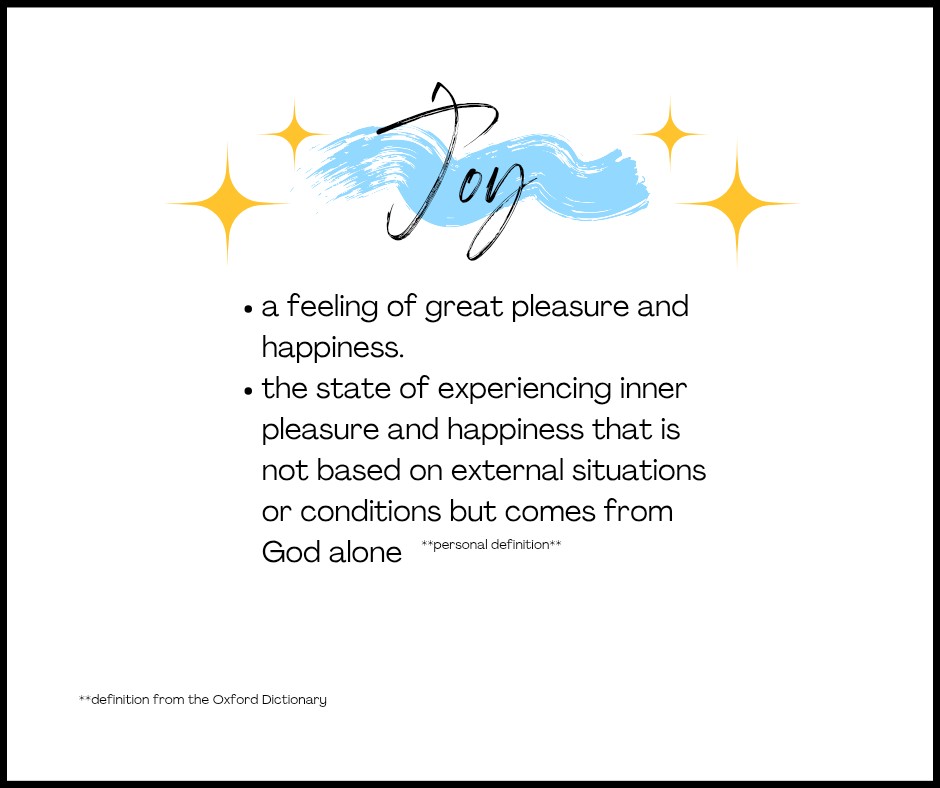



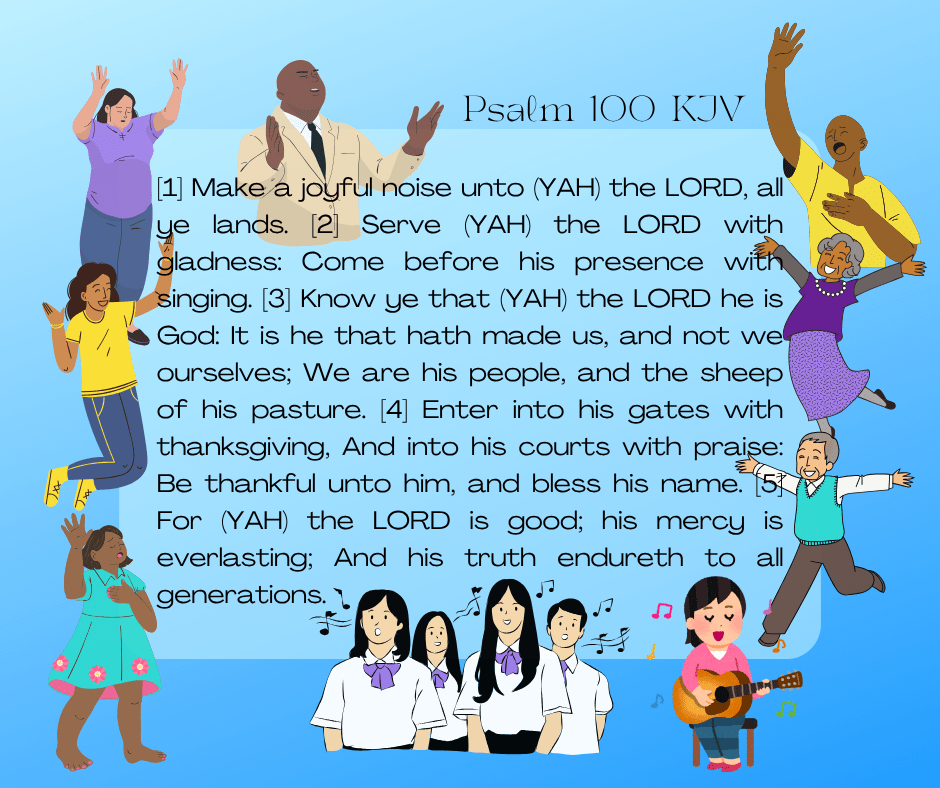

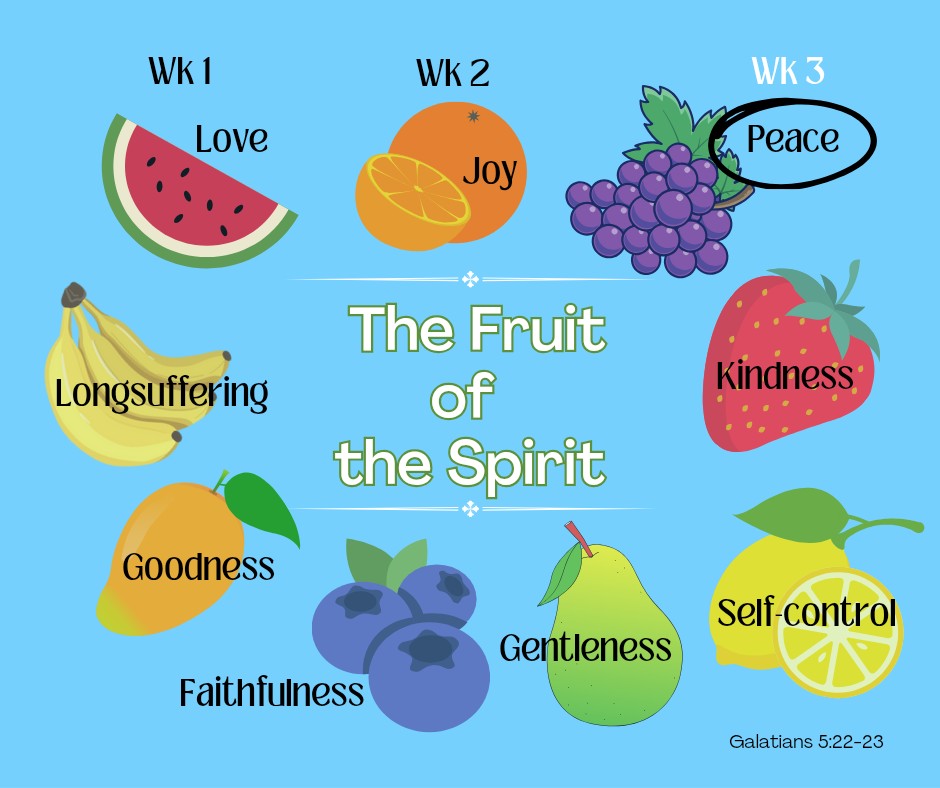


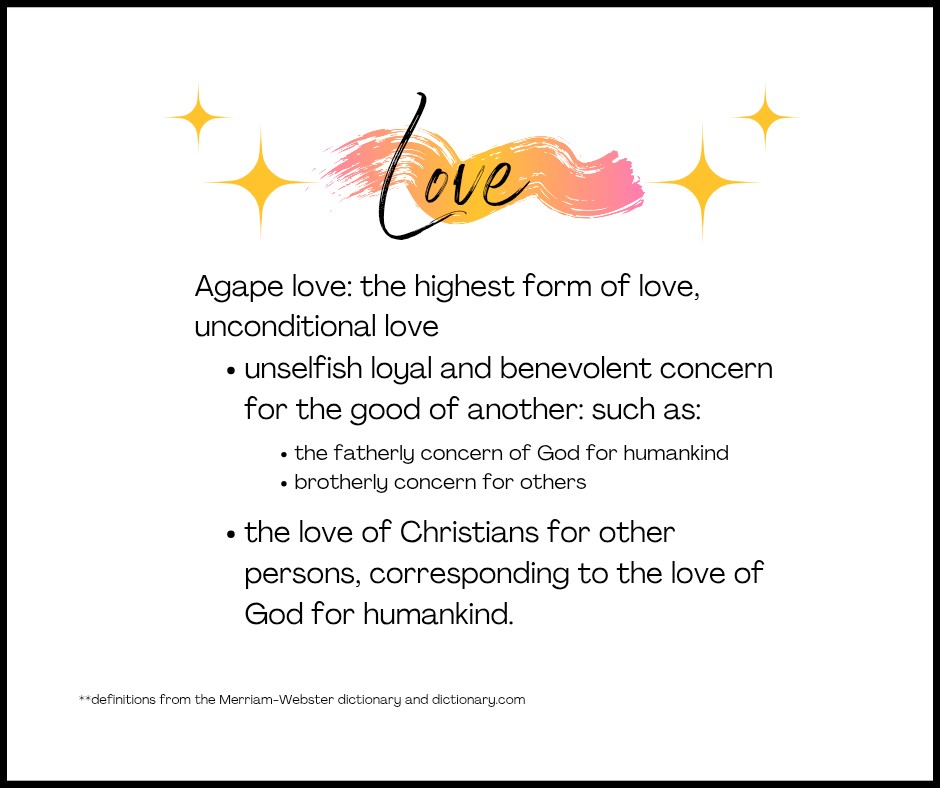
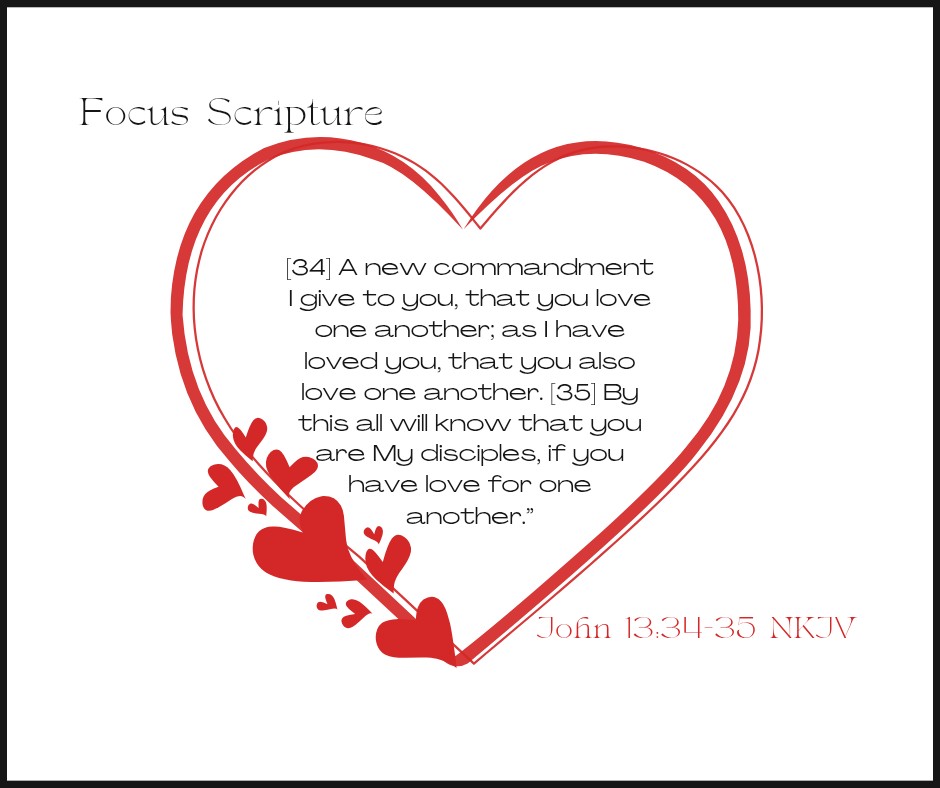



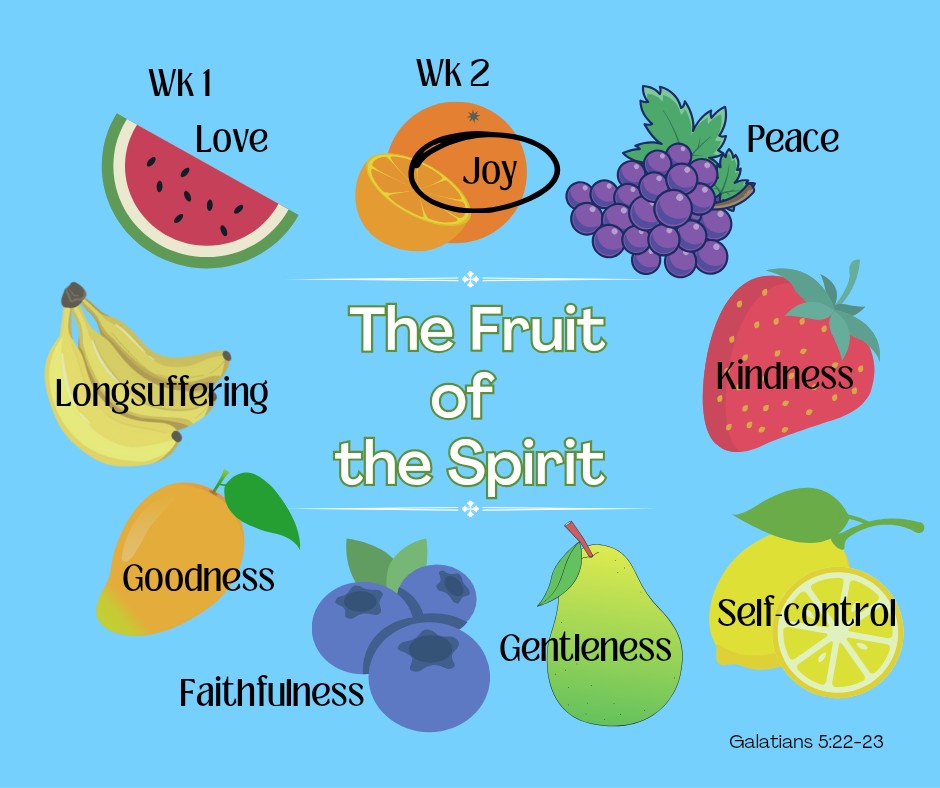


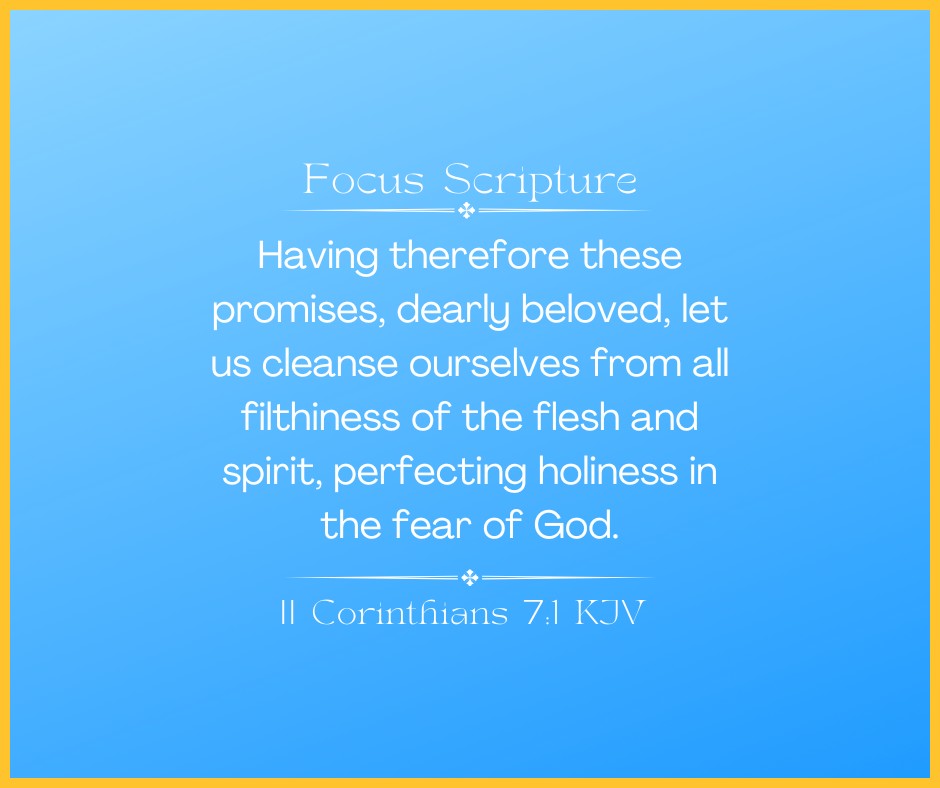
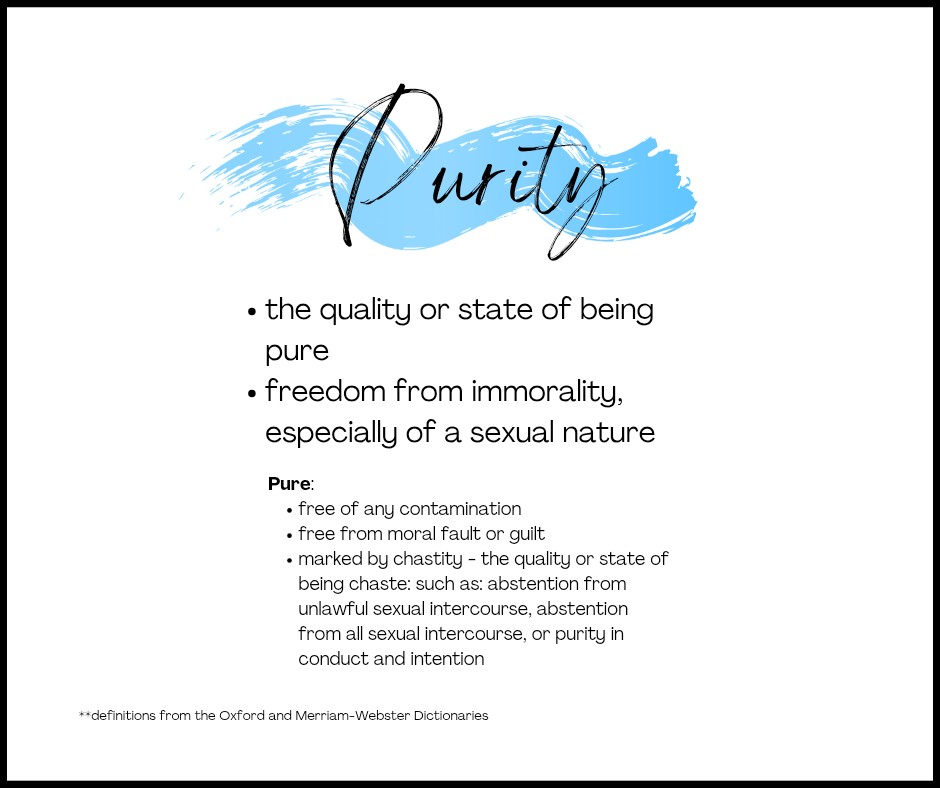
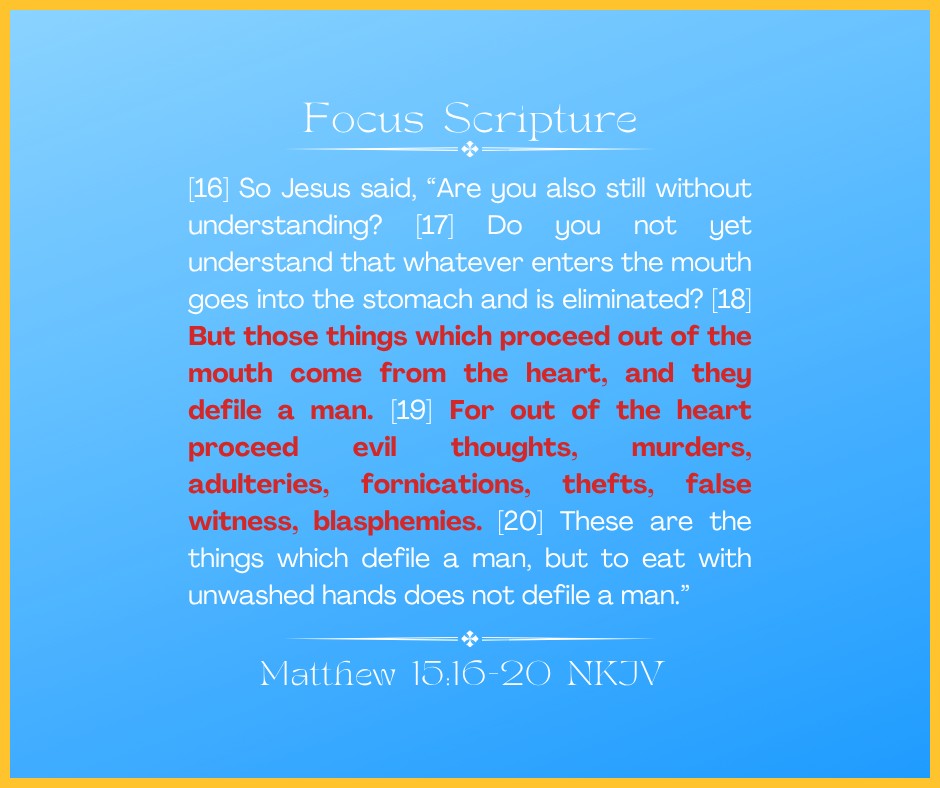

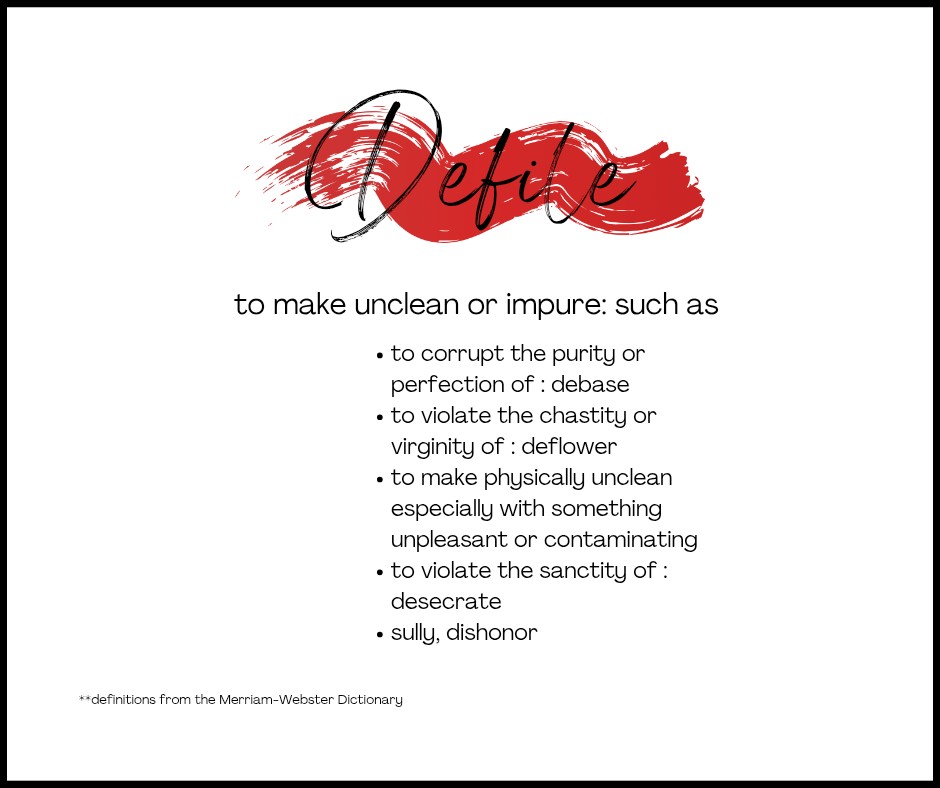

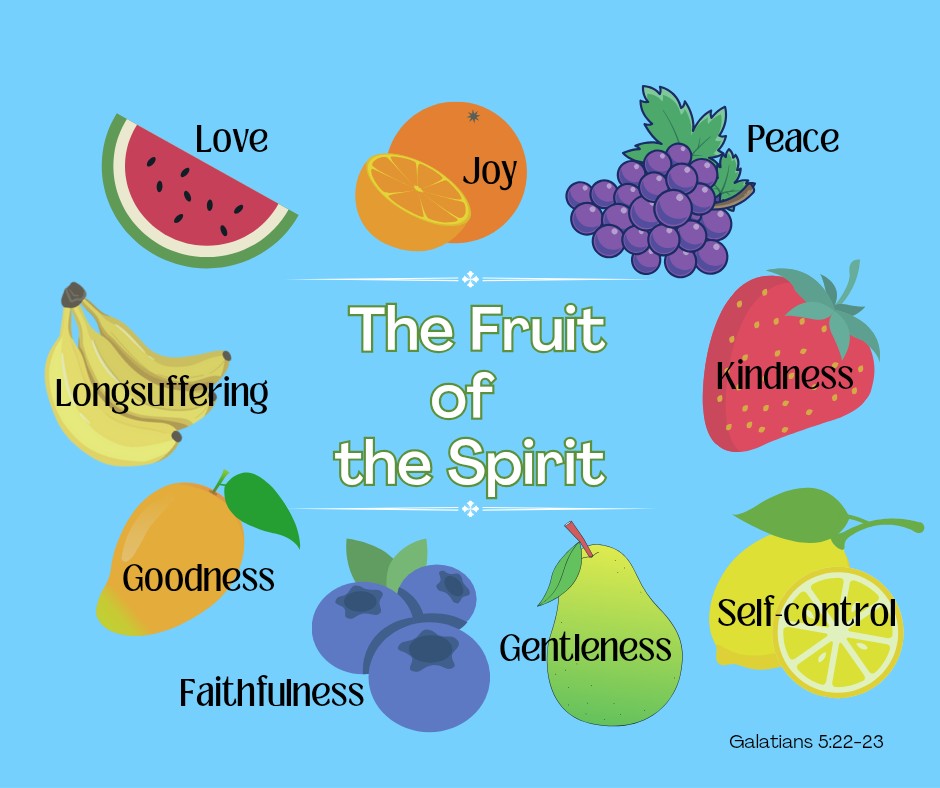







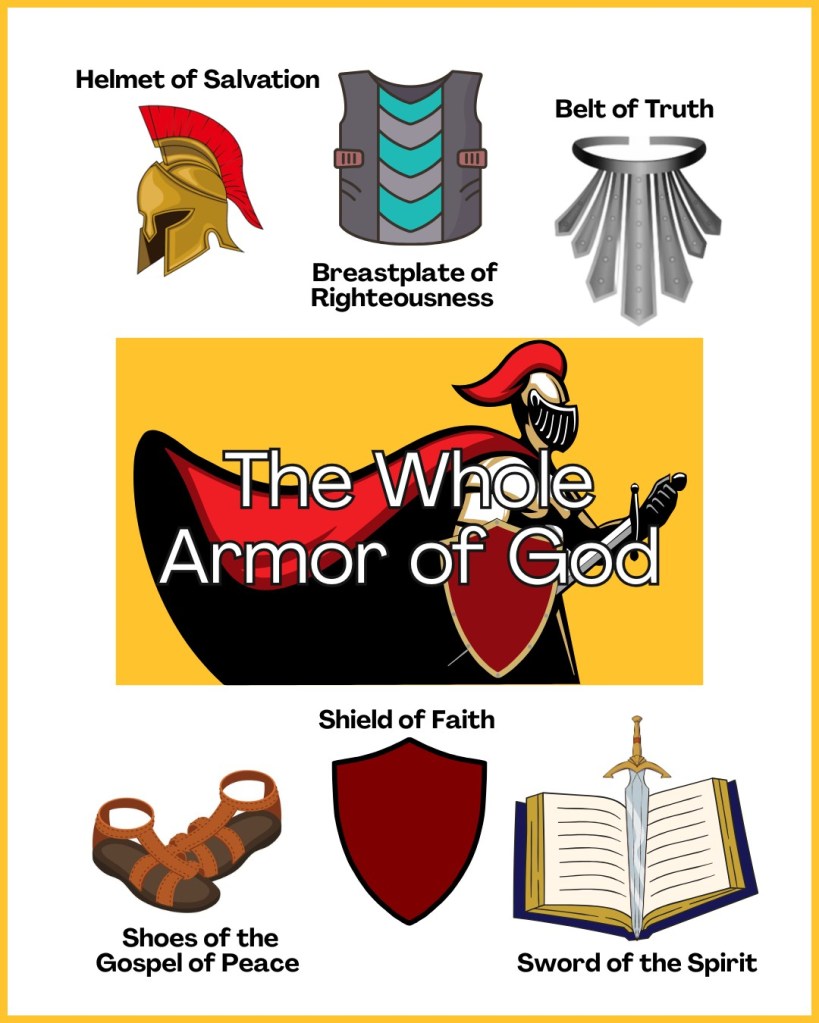








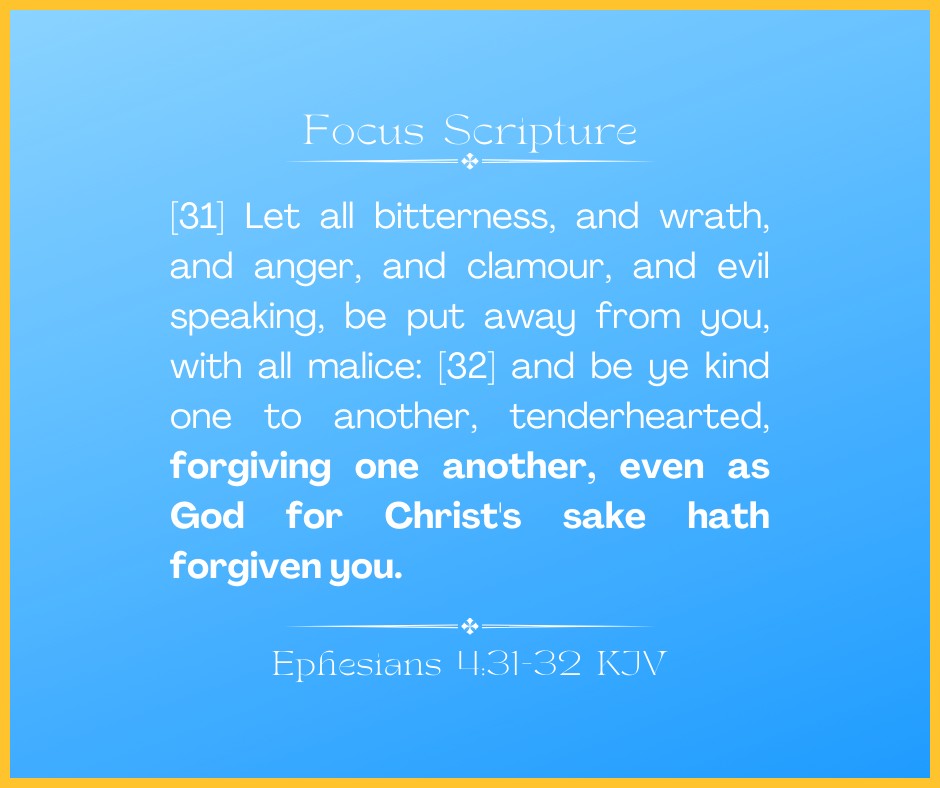
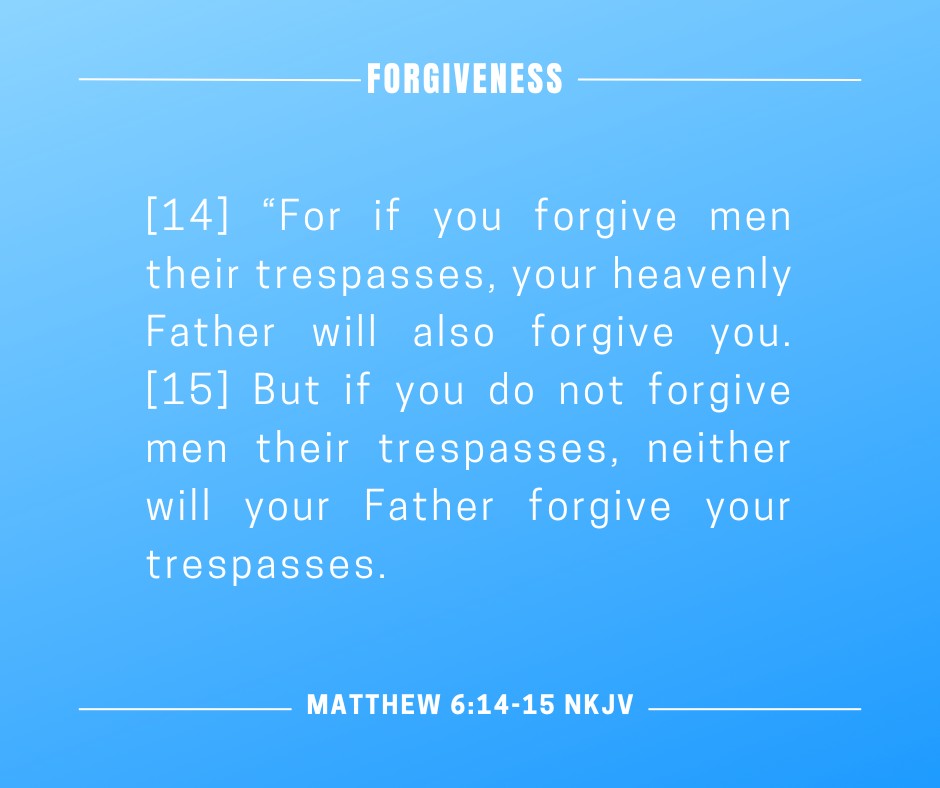





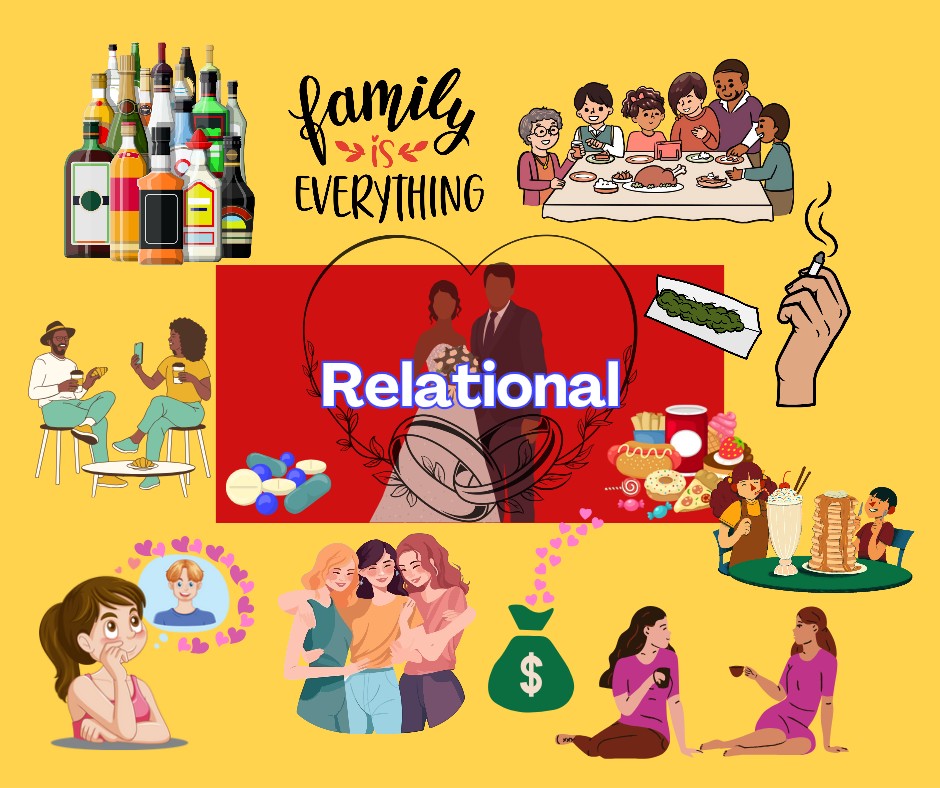
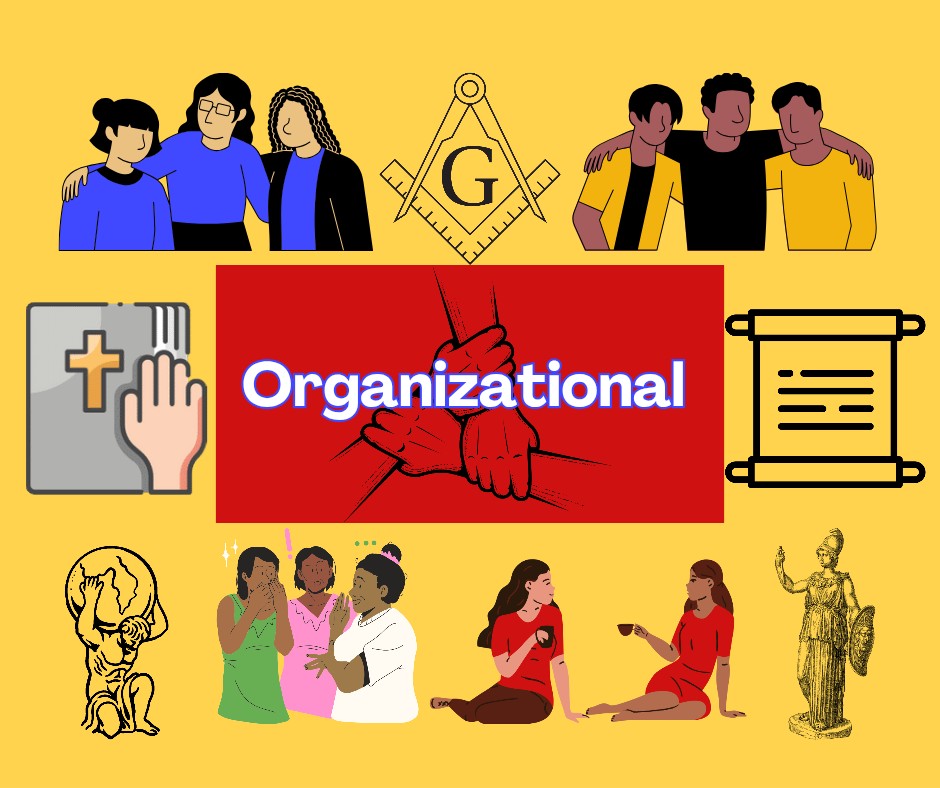
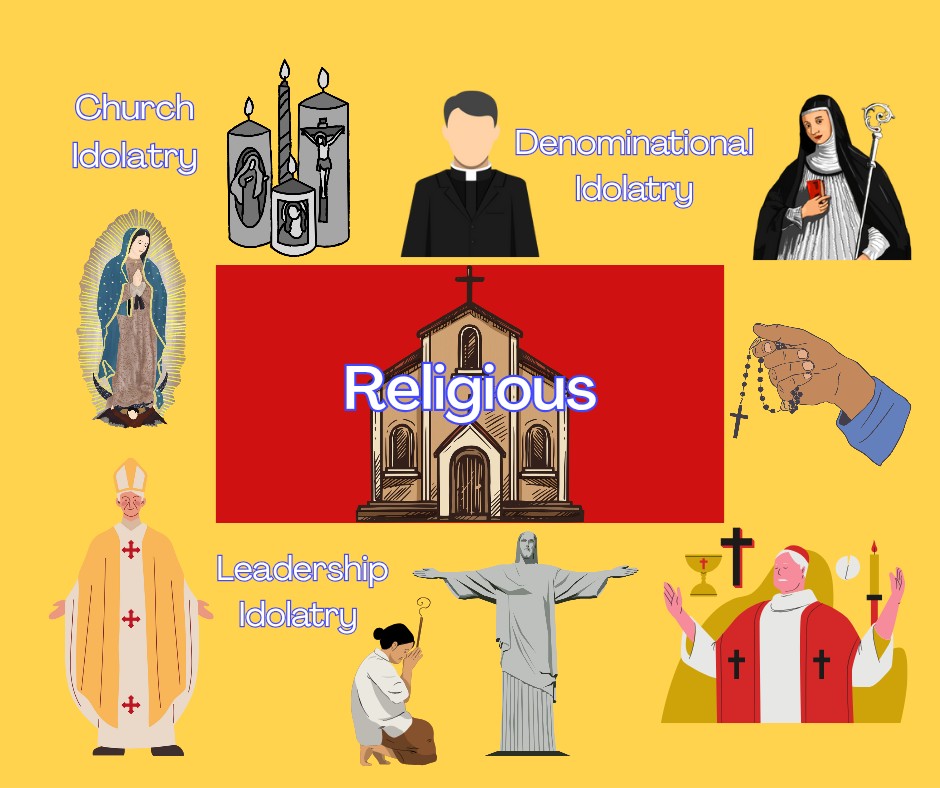
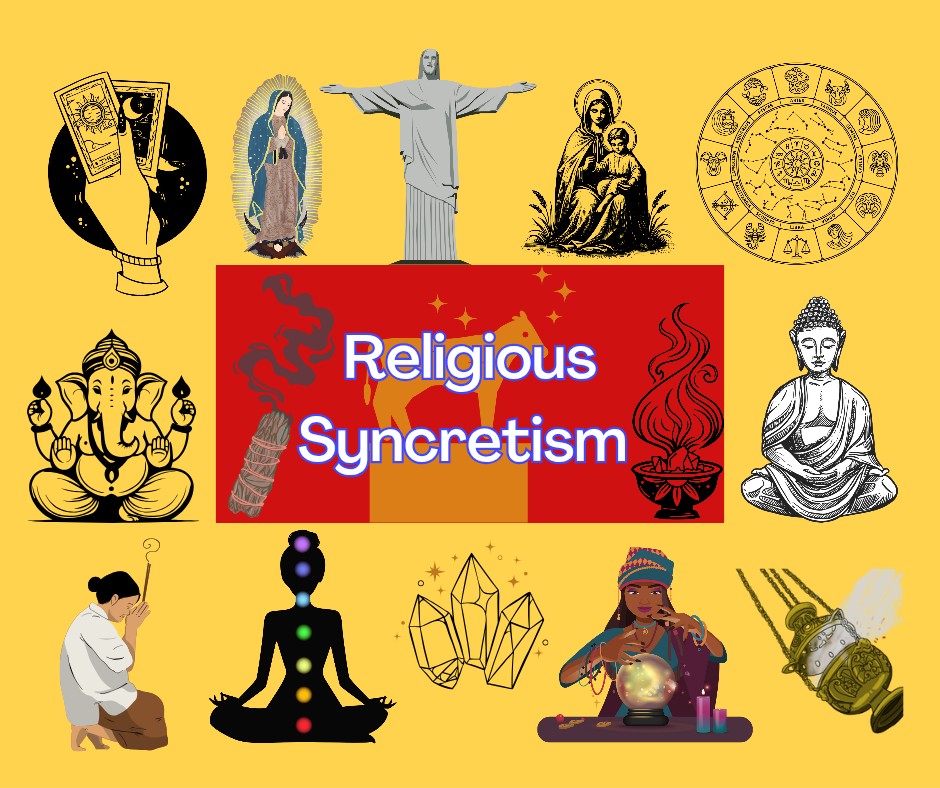
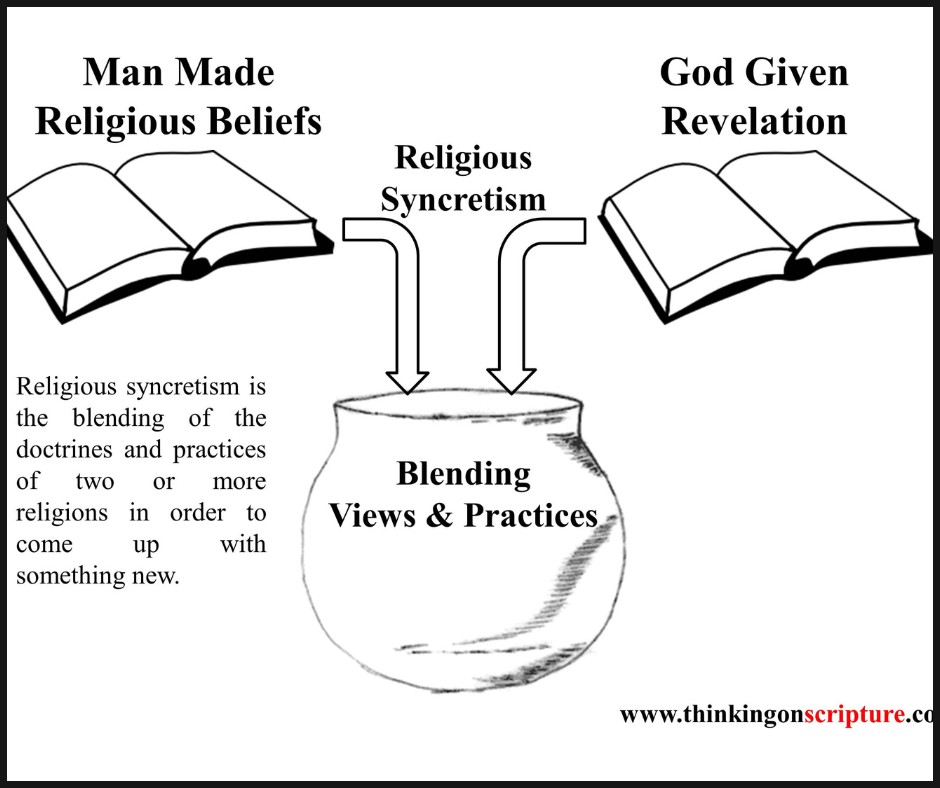
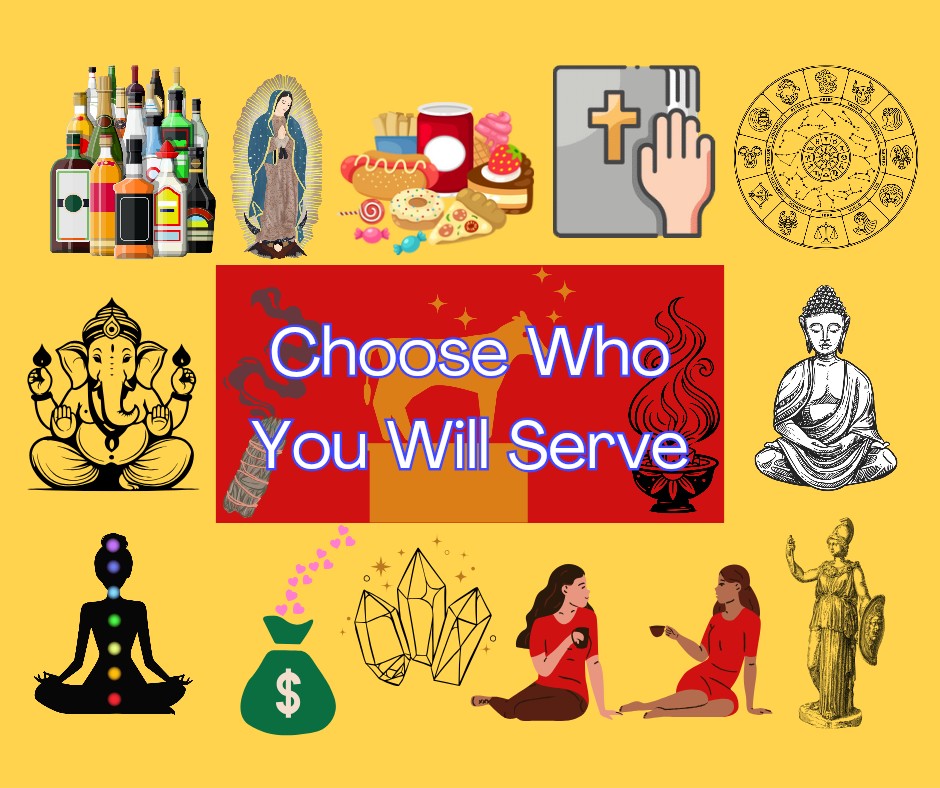




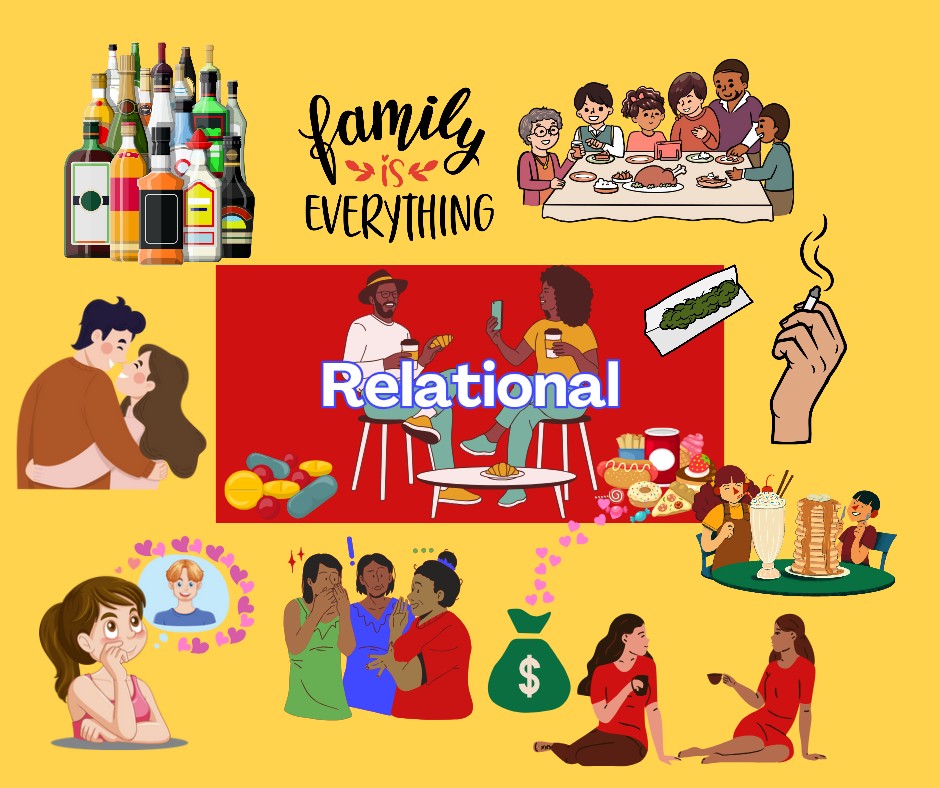



You must be logged in to post a comment.