
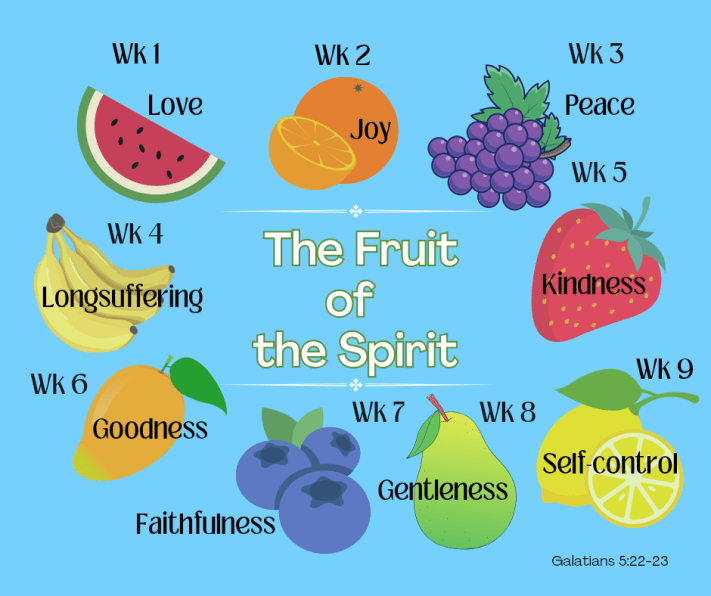
- Week 1: Walking in Love
- Week 2: Walking in Joy
- Week 3: Living a Peaceful Life
- Week 4: Patiently Enduring as Believers
- Week 5: Extending Kindness to Others
- Week 6: Seeking to do Good Toward Others
- Week 7: Remaining Faithful as Believers
- Week 8: Walking in Gentleness
- Week 9: Exercising Self-Control
Tag: Faith

Week 7 Fruit of the Spirit: Faithfulness
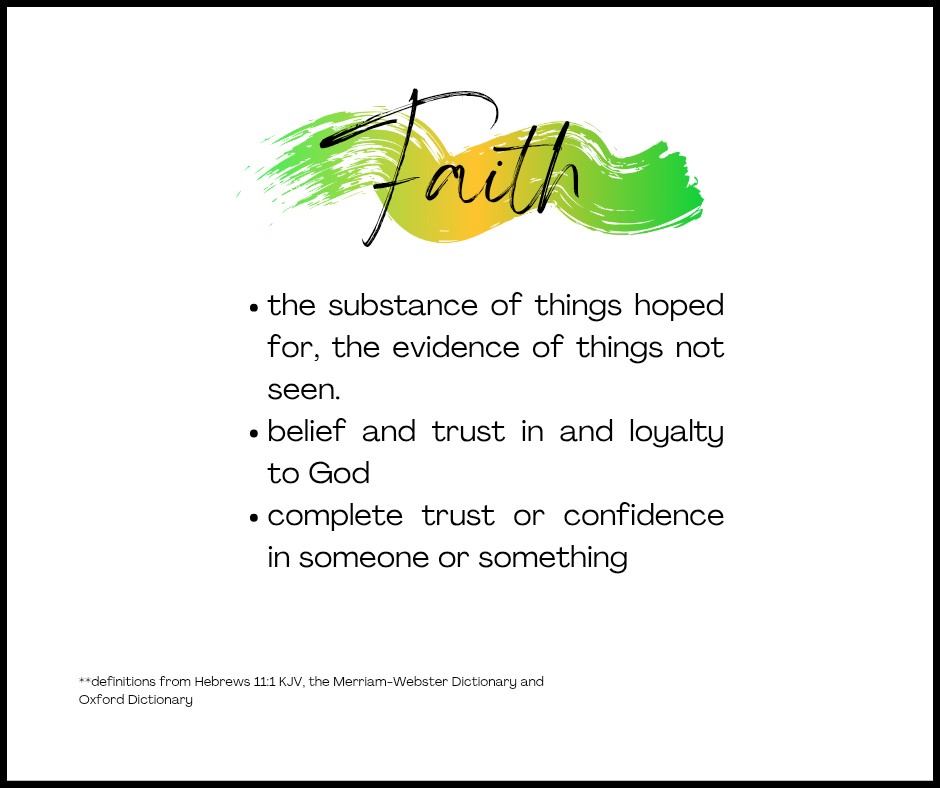

Hello everyone!! I pray the past 6 weeks have been beneficial in helping you cultivate the fruit of the Spirit in your lives. As believers, we should examine ourselves to pinpoint areas where we may be less fruitful. With the help of the Holy Spirit, He enables us to produce more fruit. As well as when we abide in Christ and He abides in us, we are capable of bearing fruit. It is important for us to recognize our need to remain in Christ in order to produce all nine spiritual fruit.
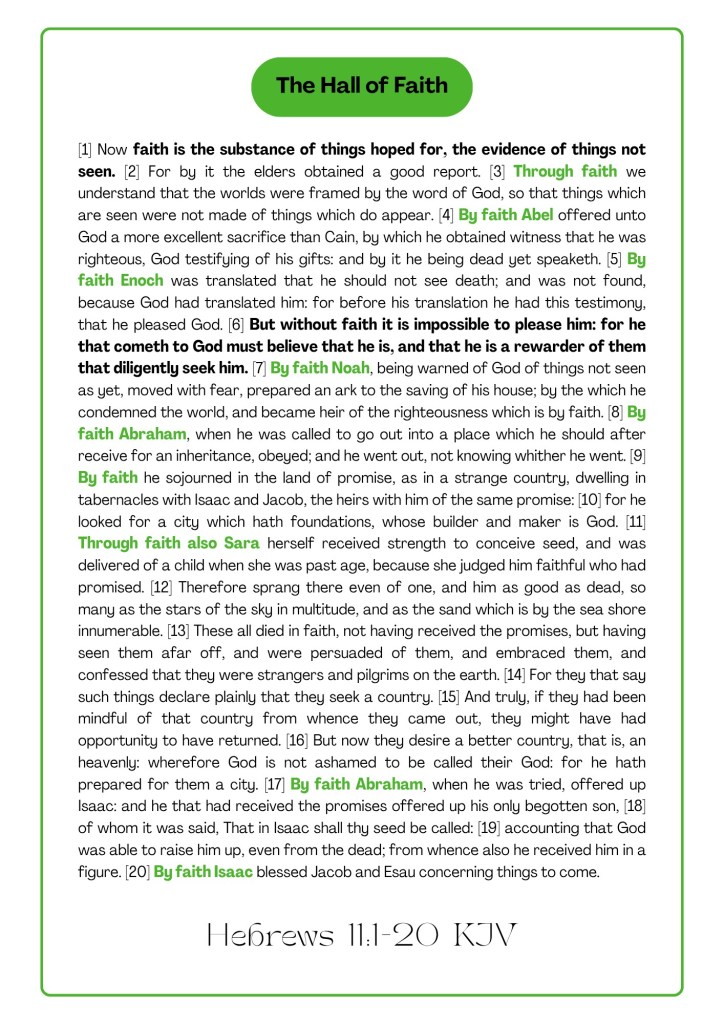
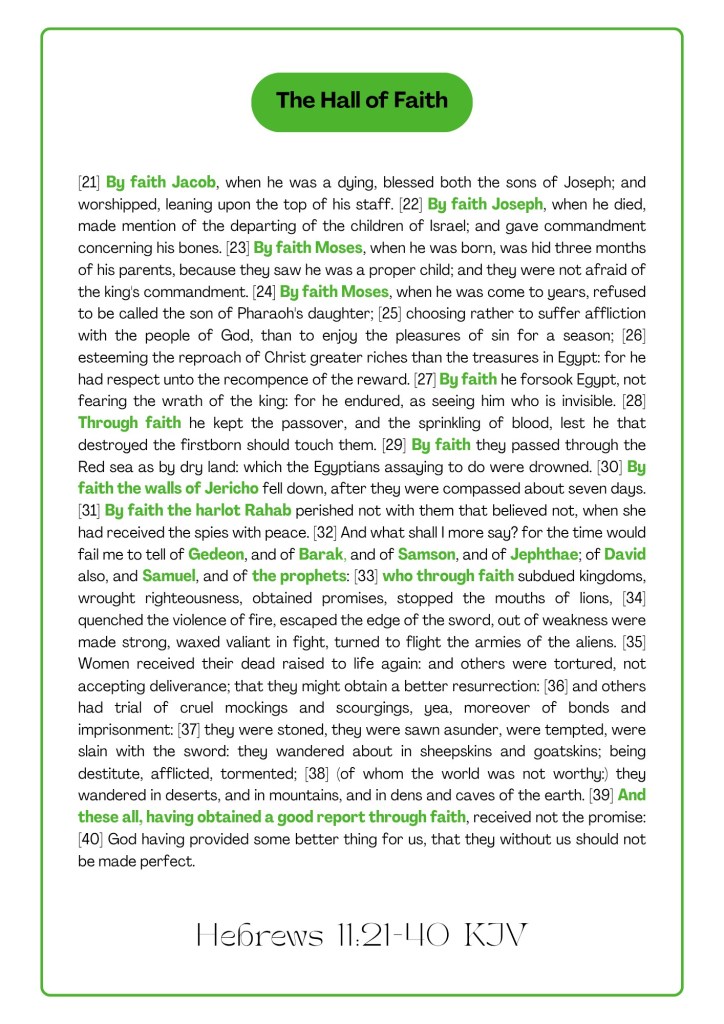
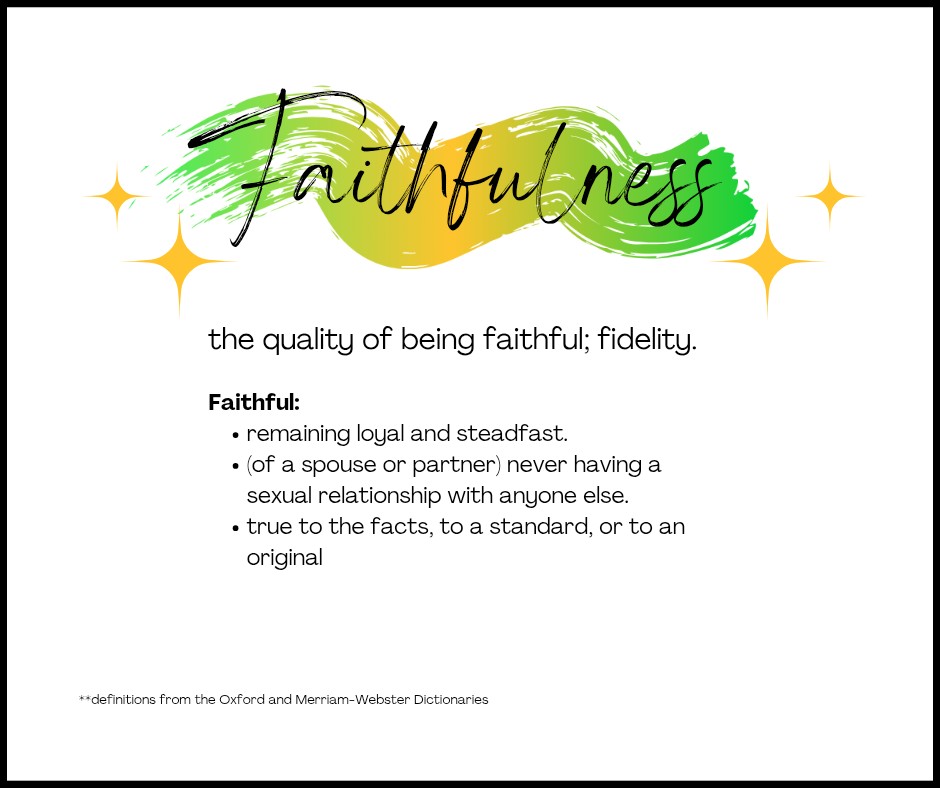
In today’s blog, we are exploring the fruit of faithfulness. We will examine Hebrews 11, which is commonly called the Hall of Faith. Within this passage, we will highlight 5 faith figures who are listed in the Book of Genesis and discover what we can learn from each of them.
5 Faith Figures
(1) Abel (Hebrews 11:4, Genesis 4:1-10)
Our first faith figure is Abel. He is the secondborn son of Adam and Eve. In Genesis 4, he is compared to his older brother Cain. Abel was a shepherd (keeper of the sheep), and Cain was a farmer (tiller of the ground). At a certain time, the two brothers each brought offerings to YAH. Cain brought some fruit from the ground. Whereas Abel brought the firstborns of his flock and the fat from them. In the text, it shows that God had respect unto Abel and his offering. This meant both Abel and his offering were acceptable in the sight of YAH. But as for Cain and his offering, God had no respect for them. This caused Cain’s disposition to change.
Instead of seeking to present himself and a better offering to the Father, He became very angry and his countenance fell. YAH questions Cain about his response. In doing so, we see how important it is to do well. I can imagine the heart posture behind each brothers’ offering was different. For Abel to give the firstborns of the flock and the fat from them is a sign of giving God the best portion. With Cain, there was no mention of the fruits of the ground being the firstfruits. He may have randomly chosen some fruit with no real thought of giving the best to God.
◇Lessons Learned from Abel◇
What we can learn from Abel is to give God our best. No matter what capacity it may be, we should seek to do what is right and acceptable in the sight of YAH. Though we are no longer offering burnt sacrifices, instead, we should be a living sacrifice seeking to do the will of the Father. When we have the opportunity to do good, we should do so. We should remain faithful to our God and continue to give Him our best.
(2) Enoch (Hebrews 11:5, Genesis 5:18-24)
Our second faith figure is Enoch. We are introduced to him in Genesis 5. He’s the son of Jared, the father of Methuselah, the grandfather of Lamech, and the great-grandfather of Noah. He was a righteous man who lived 365 years before being taken by God to heaven, never experiencing death. His testimony was that he pleased God. [Hebrews 11:5] It is mentioned in verses 22 and 24 of Genesis 5 that Enoch walked with God, signifying a close relationship with the Father. It’s an amazing testimony to not only be in close fellowship with YAH but to be spared from facing death.
◇Lessons Learned from Enoch◇
From Enoch, we see the fruitfulness of walking with God. By his commitment to serving YAH, not only was he blessed, but so were his descendants. He left a legacy of righteousness that was passed down throughout the generations. His example would no doubt be a great impact on his son, Methuselah, who would become Noah’s grandfather. While we may not have the same end result as Enoch, we should have the testimony that we pleased God. By the end of our life, our desire should be to hear God say, “Well done, my good and faithful servant.”
(3) Noah (Hebrews 11:7; Genesis 5:28-32; Genesis 6-9)
After discussing his great-grandfather, it’s only befitting to now explore the faith of Noah. Noah’s genealogy can be found in Genesis 5 and 1 Chronicles 1. In these accounts, I want to focus on the fact that Noah is the grandson of Methuselah– the longest living person in the Bible, having lived 969 years. And, we can not forget that Methuselah’s father was Enoch. Noah came from a lineage of righteous men. But in spite of Noah’s upbringing, he was surrounded by a society filled with wickedness. In the midst of corruption and violence, Noah was found to be just and perfect in his generations. During this time, the sons of God (angels) had taken wives among the daughters of men (women). As a result, they produced hybrid offspring, which were giants (or Nephilim). Due to the magnitude of man’s wickedness and the thoughts of their hearts being continually evil, YAH repented that He had made man and He was grieved in His heart.
The creation that He had made was corrupted and replaced with these hybrid creatures. He sought to destroy man and all living creatures from the face of the earth. But Noah found grace in sight of God. He was given the exact instructions on how to construct an ark. Additionally, God established a covenant with Noah, that he, his wife, his sons, and his sons’ wives would come into the ark to be saved from the impending flood set to destroy all flesh. God instructed Noah which types of animals to bring into the ark and how many of each kind and to gather food for his family and the animals. Noah obeyed YAH’s command, and his family was kept by God during the flood. It rained on the earth 40 days and 40 nights. After the waters receded, the ark landed on Mount Ararat.
Once the ground was dry, Noah, along with his family and the animals, went out of the ark. He built an altar unto YAH and offered burnt offerings from every clean beast and bird. God was pleased. He blessed Noah and his sons, instructing them to be fruitful, multiply, and replenish the earth. YAH established a covenant with Noah that He would never again destroy all flesh with a flood, neither would there be a flood to destroy all the earth. The sign of YAH’s covenant was a rainbow in the clouds. As a result of Noah’s obedience and faith in God, he was spared from the destruction of the flood. He and his sons were blessed by the Most High for heeding to His commands. Going forward from Shem, Ham, and Japheth, their descendants would replenish the earth.
◇Lessons Learned from Noah◇
With Noah’s life story, we can learn how great of an impact it is to heed God’s command. While society was corrupt and full of wickedness, Noah remained faithful to God. In doing so, he and his family were spared. They did not suffer the same fate as the wicked. Likewise, we should do the same. As we live in a time where wickedness is being accepted and celebrated, we must take a stand for righteousness. Even though we are not building an ark preparing for an impending flood, instead, we are building up our faith to be able to withstand these evil and dark days. It is up to each and every one of us to have faith to endure. In times of weakness, we can call on our Father, who will strengthen us. We must be like Noah and remain in fellowship with YAH. By trusting in Him, we will find safety and reassurance. We will face being ostracized by those around us who continue to promote and/or indulge in sin and wickeness. But that is expected to happen in the lives of believers. No matter the opposition, it is vital that we stay committed to obeying God and completing the work He has called us to do. Don’t allow the allure of sin to draw you away from God; instead, remain faithful to Him.
(4) and (5) Abraham and Sarah (Hebrews 11:8-11, 17-19; Genesis 11:26-32; Genesis 12-25:11)
Our next faith figures are Abraham and Sarah. We first encounter them in Genesis 11. At this time, their names are Abram and Sarai. Abram is from the lineage of Shem and the son of Terah. Sarai is his wife. They are from Ur of the Chaldees. In the next chapter, YAH instructs Abram to leave his country, his family, and his father’s house to journey to a place where God will lead him. God prophesies that He will make Abram a great nation, He will bless him and make Abram’s name great. Those who bless Abram, YAH will bless. And, those who curse Abram YAH will curse. Through this one man, all the families of the world will be blessed. He heeds God’s command, and at the age of 75 he leaves his father’s house in Haran along with Sarai and his nephew Lot. While on his journey, Abram is prosperous. In Chapter 12, the text tells us Abram was very rich in cattle, silver, and gold. It is evident that YAH’s hand was on his life. Regardless of the highs and lows of his travels, he was kept by God.
(Genesis 15) By this point in Abram’s life, he and his wife are childless. But YAH appears to him in a vision. It is foretold that Abram will have a child of his own as well as descendants too numerous to count. Abram believes, and it is counted to him for righteousness. YAH instructs him to make an offering, and Abram obeys. While in a deep sleep, Abram learns the fate of his descendants. They would be afflicted, held captive for 400 years, serving another nation in a strange land. God would judge the nation, and the people would come out with great sustenance. (Prophecy of the Israelites’ captivity in Egypt and their Exodus from the land of Egypt journeying to the Promised Land) YAH made a covenant with Abram that his descendants would be given the Promised Land from the river of Egypt unto the Euphrates River.
After Abram’s encounter with God, he and his wife still have not conceived a child. Sarai, being well past childbearing age, believed she would not bear children for Abram. She suggests that Abram have a child with her Egyptian handmaid, Hagar. He complies with his wife’s suggestion. They have taken matters into their own hands. As a result, Hagar conceives, and this causes conflict within the household between the two women. Hagar gives birth to Ishmael. But he is not the promised child, which YAH prophesied would come from Abram.
By Chapter 17, YAH appears to Abram, who is now 99 years old. He establishes His covenant with Abram that he will be a father of many nations. Additionally, his name is changed to Abraham. This covenant will be unto Abraham and his seed in their generations. The land of Canaan is the promised land for them to receive as an everlasting possession; and, YAH will be their God. The sign of this covenant was male circumcision. All who keep this covenant were required to be circumcised from 8-day-old babies to those who were born in the house or had been purchased with the money of foreigners. In the same way that Abram received a name change, so did Sarai. The name given to her was Sarah. God tells Abraham that He would bless Sarah and foretold of the promised son whom she would birth. She would be a mother of nations, and kings would come from her.
Abraham laughed at the thought of conceiving a child at his and his wife’s old age (99 y.o. and 90 y.o). God reiterated that she indeed will give birth to a son, and his name will be Isaac. Through this promised child, YAH’s covenant would be established to him and his seed thereafter. Even though Isaac was the promised son, Ishmael will still be blessed and fruitful. From him will come 12 princes, and he’ll be a great nation. The promised son, Isaac, was prophesied to be born at the set time next year. Abraham’s response was obedience to YAH’s command. He took all the males in his household and circumcised them. When Sarah learned of the prophetic word concerning conceiving a son, she laughed to herself. Once she recognized the seriousness of the matter and that nothing is impossible for God, she denied laughing about the situation. Just as God said, Sarah conceived and gave birth to Isaac at the appointed time. Through Sarah’s faith, she received strength to conceive and birth Isaac, though she was past childbearing age. She knew God was faithful to do what He said.
Lastly, Abraham’s faith is evident when he was instructed by God to offer his son Isaac as a burnt offering. This was the promised son that YAH had prophesied about, the heir to the promises of God. But now Abraham was being tested to see if he would give his son to YAH as a sacrifice. Abraham was in the process of preparing Isaac to be sacrificed when God intervened. YAH saw Abraham’s obedience, choosing not to withhold his only begotten son. And, in place of Isaac, God provided a ram that was caught in a thicket. So Abraham offered the ram as burnt offering. With Abraham’s willingness, he passed the test.
◇Lessons Learned from Abraham and Sarah◇
With Abraham and Sarah, there’s much that we can learn from them. In the beginning of their story, we see their willingness to follow God when YAH tells Abraham to leave his country, his family, and his father’s house. Abraham departs with his wife and his nephew Lot. While Abraham is faithfully following YAH, he is very prosperous. At one point, he and his nephew have amassed numerous possessions, so much that there’s not enough land for both of them. Abraham and Lot amicably separate from one another. After Lot leaves, YAH makes it known the future plans He has for Abraham and his descendants. We can learn from Abraham that there is a time when separation is necessary. What God was doing in his life, he had to be removed from among his family. There are times in which our environments and the people in them are not conducive for what God needs us to do. They can be stumbling blocks that stifle our growth in God or draw us away from Him. If God has us to separate ourselves, it is important that we follow his instruction.
Next, with both Abraham and Sarah, we see the importance of holding on to our faith until what God promises comes to pass. We saw this with the birth of their son, Isaac. At first, they took matters into their own hands when Sarah gave Hagar to Abraham to conceive a child. The child was blessed by the Most High, but he was not the promised son who was foretold. That seed would come through Abraham and Sarah, not Abraham and Hagar. When God prophesied of Isaac’s birth, it took faith for the couple who were past childbearing years to believe for the word to come into fruition. They had to trust God to see the promise fulfilled rather than leaning on their own understanding. To apply this level of faith in our lives, we need to believe that what God said it will come to pass. What may seem impossible is possible with God.
Lastly, we see how great Abraham’s faith was to willingly offer his son as a sacrifice to God. That requires strong faith that is built by trust in God. For the average person, it would be difficult to wrap our minds around the fact of offering our child as a sacrifice. Even though we are not tested in the same manner, there are other areas that may require sacrifice. It can be our time. There are times that we set apart to commune with God. We are still in which we remove any distractions to be able to hear His voice more clearly. Instead of binge watching our favorite tv show for several hours, we can dedicate time for prayer and studying the Word. In the time we use enjoying entertainment, we can replace it with service. We can look for ways to extend kindness and goodness to others (serving/ volunteering) rather than being wrapped up in indulging ourselves. I’m not saying, never take the opportunity to relax and enjoy certain activities. It can be done in moderation while still utilizing time to serve others.
Also, sacrifice can come in the form of giving our possessions to those in need. We may have clothing, household items, or other possessions that we can donate rather than hoarding them for ourselves. If it can be used by someone else, it is better to freely give it away instead of keeping it.
Brief Summary of Faith Lessons
(1) Abel
- Give with the right heart posture
- Give God our best
- Present our bodies as living sacrifices that are acceptable to God and seek to do His will
(2) Enoch
- Walking in close fellowship with the Father leads to fruitfulness
- Leaving a legacy of righteousness
- Our life’s testimony should be that we pleased God.
(3) Noah
- Remain faithful to God, choosing to walk upright, regardless of wickedness being accepted and celebrated in society.
- Take a stand for righteousness
- No matter the opposition, stay committed to obeying God and completing the work He has called us to do.
(4) and (5) Abraham and Sarah
- Trust in YAH to lead you when He separates you from what is familiar
- Trusting God with the unknowns and uncertainty–Find peace and reassurance in YAH
- Remain faithful to see the promise come to pass
- The conception and birth of Isaac at the set time as mentioned by God
Put it into Practice
- Are there areas in your life that are causing you to struggle with remaining faithful?
- Challenge: Read the story of Joseph analyzing how he remained faithful to YAH and displayed the fruit of the Spirit throughout family conflict, imprisonment, serving in Egypt, and the reunification with his father and brothers. (Genesis 37, 39-50)
Next Week’s Blog


Staying Armored in the Spirit
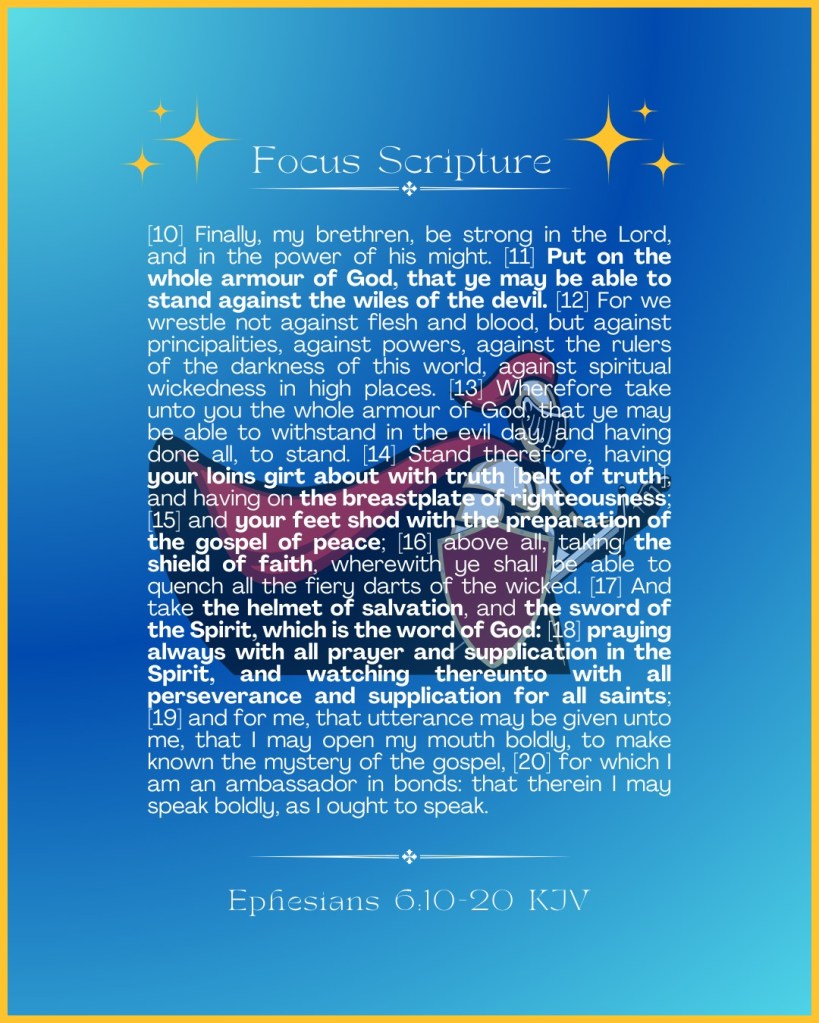
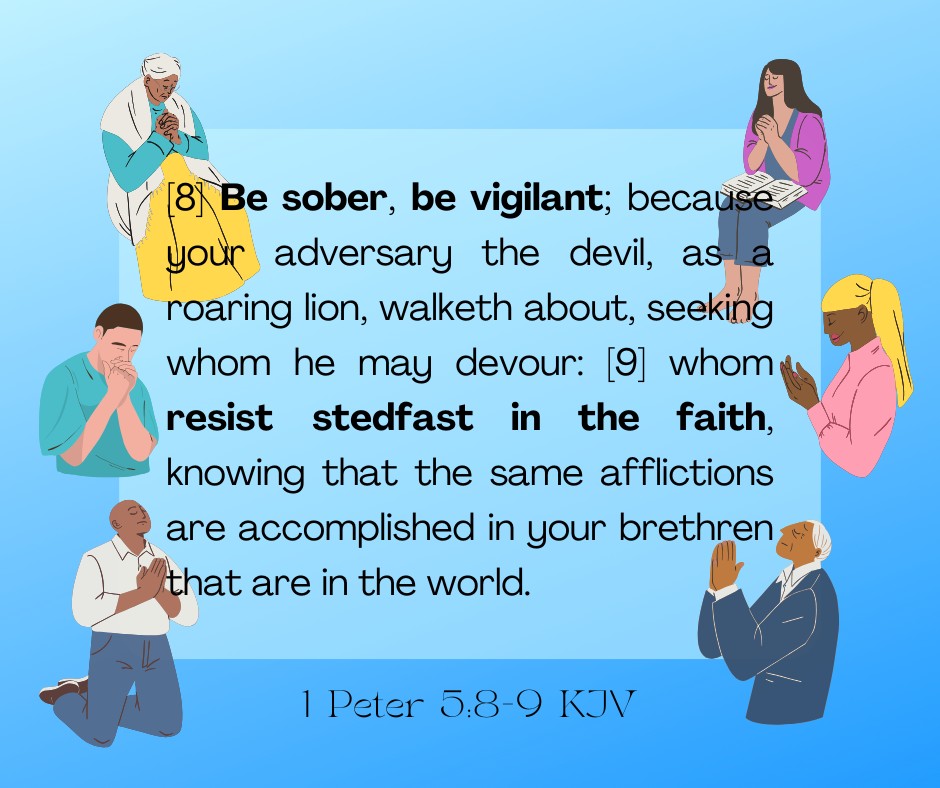
In this week’s blog, we will discuss having faith that is persevering and being clothed in the whole armor of God. On a daily basis, we take into consideration what we put on our bodies to make sure we are appropriately dressed. Or, I hope we take that into consideration, lol. But as believers, it is vital that we stay armored up spiritually. We should not be clothed naturally but without the appropriate clothing in the spirit. Every day, we need to be clothed with the armor of God, not some days, or when we feel like it, but every day.
It is important to have awareness that, as believers, we have an adversary or enemy, who is the devil. He is seeking to destroy us. He is very cunning, a master of deceit. He wants us to be defenseless or ignorant to his devices. When we are unaware of his schemes, we can be tricked into perceiving all things through our flesh or carnally without understanding it is spiritual in nature. We can not be ignorant of the fact that we have an enemy and he is a deceiver.
Additionally, we must have the awareness that we will face spiritual warfare. This is unavoidable as a believer. If you are saved, spiritual warfare is part of the lifestyle of a believer. We must be prepared for it and engage in it. We should not take a lackadaisical approach but a proactive one. In knowing we have an adversary looking to devour us and that spiritual warfare is a part of life, we should recognize the need to stay clothed in the whole armor of God.
Today, we will go through the necessity of the armor as well as three areas that help us to endure spiritual warfare.
The Armor of God
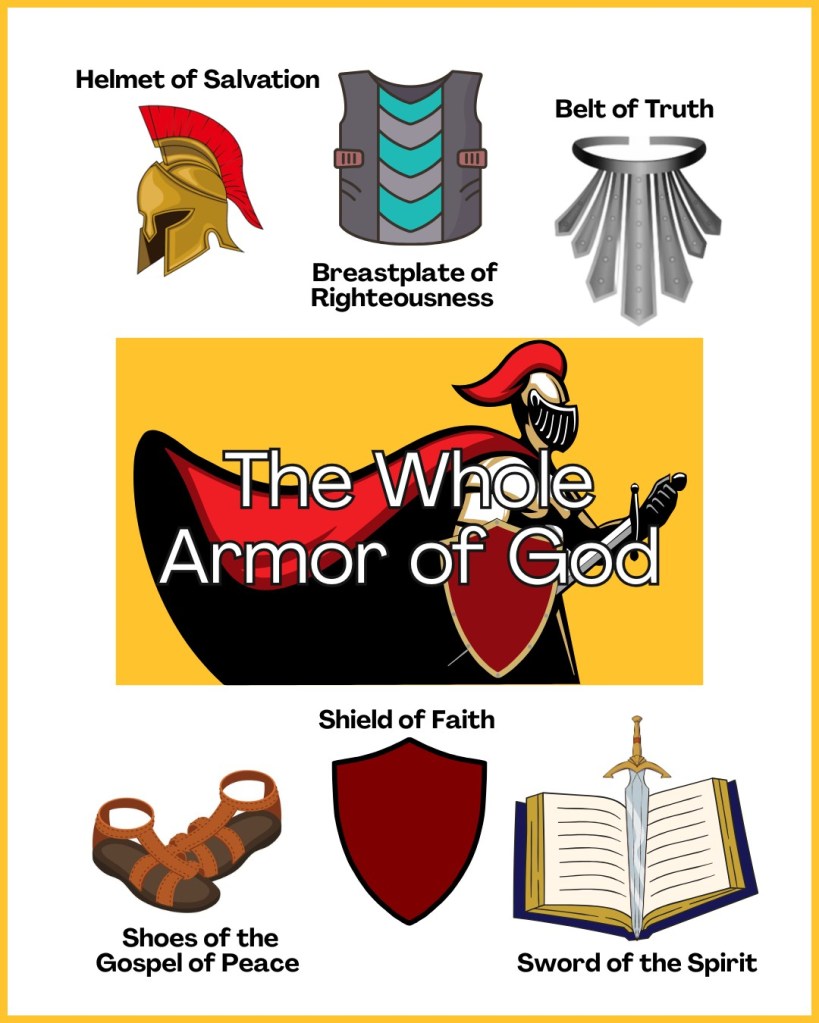
The armor of God consists of: the helmet of salvation, the breastplate of righteousness, the belt of truth, the shoes of the gospel of peace, the shield of faith, and the sword of the spirit. Every piece of armor is vital in being able to stand against the wiles of the devil. Each has an important role when engaging in spiritual warfare. We need to put on the whole armor for preparation, protection, and endurance.
Being fully clothed prepares us for the enemy’s schemes. This ensures we are not blindsided when, not if, the enemy’s schemes show up in our lives. We will not be caught by surprise because we have the expectation that they will come. Having on the armor of God also guarantees that we will be protected against the attacks of the devil. We are not left defenseless. Instead, we have on the necessary protection to sustain us. The armor gives us the capability to withstand the wiles of the devil. When a spiritual attack shows up in life, we have a greater ability to endure rather than succumbing to it.
In order to be prepared, protected, and endure, we must know the posture to take while engaging in spiritual warfare. Within the passage of scripture, Ephesians 6:10-17, three times we are instructed to stand, and once the text says to withstand. To fully understand what that means, I will provide the definitions of both words. Stand is defined as (1) have or maintain an upright position, supported by one’s feet, (2) to take up or maintain a specified position or posture (3) to maintain one’s position, and (4) to endure or undergo successfully. And withstand means to stand up against or oppose with firm determination. We are not told to fight but to stand. We must maintain our position in God, not moving to the left or right, not forward or backward. We need to be in place and allow God to fight on our behalf. But while we are standing, we must be armored up to be able to be prepared, protected, and endure the attacks of the enemy.
While in our position, we can trust that God is moving on our behalf in the spirit realm. No matter how things look in the natural realm, we must continue to maintain our posture. Verse 12 lets us know we are not wrestling against flesh and blood (natural realm) but it is against principalities, powers, the rulers of the darkness of this world and spiritual wickedness in high places (heavenly places). The battle is spiritual, regardless of how it manifests in the natural/physical realm.
In this spiritual battle, each part of the armor of God ensures our ability to maintain our posture. We must know that we are strengthened by Christ, who endows us with the ability to persevere. The helmet of salvation reminds us that we are working out our salvation daily with fear and trembling. Additionally, as a child of God, Yah will deliver us from the attacks of the enemy. He is our deliverer and salvation. He is the One who saves us from being consumed by our enemy. With the belt of truth, we are equipped with knowledge of the truth. We are able to reject the deception of the enemy. Instead, we stand on the truth in the Word of God. Furthermore, the Spirit of God (the Spirit of Truth), which dwells on the inside of us, leads us into all truth. The Word plus the Holy Spirit helps us to combat any deception the enemy attempts to sow.
The breastplate of righteousness reminds us that we have attained righteousness through Christ’s righteousness. It is not our own. For the Word tells us that none is righteous, no, not one. But we have received it by faith in Christ. Now, as believers, we are to walk in righteousness daily. The shoes of the gospel of peace show us that we should have a readiness to share the Gospel (the Good News) of Jesus Christ. In receiving the Gospel and being born again, there is peace. By faith, we have been justified and have peace with God through our Savior, Jesus Christ. Man’s relationship has been restored with the Father.
The next piece of armor is very important; it is the shield of faith. It enables us to put out the fiery darts that the enemy sends our way. It is a defense measure that when the attack comes, our faith protects us. Lastly, the sword of the Spirit is the Word of God. We are able to be encouraged and strengthened by the Word when the attacks come.
All six parts are needed daily. It wouldn’t be wise to be partially covered and hope to successfully stand against the schemes of the devil. You may have on a portion of defense, but it is better to be completely covered. In addition to the whole armor of God, verse 18 of Ephesians 6 instructs us to pray always with all prayer and supplication in the Spirit. We must maintain a posture of prayer while we stay armored in the spiritual realm.
Prayer

Praying Continually

To triumph over the enemy’s attacks, we must pray and do so continually. This is a crucial part of spiritual warfare. Otherwise, when attacks come, if we are in a state of prayerless, we are easily defeated. Prayer strengthens us and gives us the opportunity to communicate with God. In Ephesians, the apostle Paul instructs us to pray always and in the Spirit. Praying in the Spirit takes us to a deeper level and builds up our spirit man. When our spirit man is fortified, we are able to resist the devil and continue to stand while God is intervening on our behalf.
Paul also emphasizes not only prayer but also supplication. Supplication is (1) the action of asking or begging for something earnestly or humbly or (2) a humble request, prayer, petition, etc. With this type of prayer, we are making a humble request or petition to our Father. As we pray, we are not just praying for ourselves but for all saints (all who are born-again believers). This requires selflessness. We have to get out of our feelings and emotions and begin to intercede for other believers. We must recognize that spiritual warfare is not only an individual experience but our brothers and sisters in Christ around the world face it as well. So we must pray and supplicate for our brethren.
Praying with Humility and Repentance
With this area, I briefly mentioned when discussing supplication. When we pray to our Father, we must do so with humility and repentance. Yes, we can boldly approach His throne, but with a posture of humility. We are not commanding and telling God to intervene on our behalf. Instead, we are petitioning Him, making our request known based on His Word and knowing His character. It is a request, not a demand. We are His children, and He is our Father, which gives us access to Him. But with that access, reverence for Yah is still necessary.
In addition to humility, we must have a posture of repentance. We need to turn from our wicked ways. This is more than saying, “I’m sorry.” It is a change in heart posture and our way of thinking. We are giving up the sin, iniquity, and wickedness in our lives and turning to the Father. We are not simultaneously holding on to sin while trying to seek God in prayer. We must let sin go and turn to Him fully.
Likewise, within this area, it is important to confess our sins to Him. We must confess known and unknown sins. We don’t want anything to be a hindrance from our prayers reaching heaven. As we discussed last week, we must address any unforgiveness we have in our hearts, which will be a hindrance in our prayers being heard by God. So, it is essential that we forgive and ask God for forgiveness before we ask for anything. We want to ensure we have no sin hidden in our hearts.
Praying with the Right Motives

In Matthew 6, Jesus instructs us of the proper way to pray. When we pray, we are not to do so with the desire of being seen and heard by others in public. For those who do so, their reward is with men, not God. Instead, we are instructed to go in private (into a closet or room), shut the door, and pray to our Father. When we come to Him privately, He rewards us openly.
Also, during our time of prayer, we should not use vain repetition. We don’t have to use many words to get God to hear us. God is already aware of what we need; we should be genuine, making our request known.
**Additionally, Jesus gives the Model Prayer in verses 9 through 13**
Our Intercessor: The Holy Spirit

In our time of weakness, when we don’t know what to pray, the Holy Spirit makes intercession for us. Through groanings that can not be uttered, He intercedes on our behalf. And the Father who searches our hearts knows the mind of the Spirit. It is beautiful to know that we have the Holy Spirit, who is our intercessor. During times of intense warfare, where it is difficult to articulate a prayer, we still have an Advocate intervening on our behalf.
Since we have discussed prayer to help us resist the attacks of the devil and the correct ways to approach prayer, now we can transition into praise and worship. With these two areas, they can be used as weapons of warfare.
Praise and Worship


Lastly, through our praise and worship, we can resist the devil and his schemes. They are instruments to refocus our attention on God when the attacks come. Throughout the book of Psalms, we see how the authors would create songs worshiping the Father declaring His divine nature and attributes. Often, we see David articulate his praise to Yah, especially while he was on the run from King Saul. He had a natural/physical enemy who was seeking to take his life. But in spite of that, worship and giving praise to his God flowed from the depths of his soul (Psa. 34). Exalting God helped to sustain him even when his life was threatened. It would be wise for us to learn from David. When the spiritual attacks come and we feel as though it will overtake us, we should choose to worship our God using our voice to lift up praise to His name. While we are in a time of exalting Yah rather than the circumstance, our inner man (spirit) is strengthened, giving us the ability to endure.
Recap
Awareness
- We have an enemy/adversary, who is the devil.
- He is very cunning and a master of deceit.
- As believers, we will face spiritual warfare. It is part of the life of a believer.
The Armor of God
Needed for preparation, protection, and endurance.
- The Helmet of Salvation
- The Breastplate of Righteousness
- The Belt of Truth
- The Shoes of the Gospel of Peace
- The Shield of Faith
- The Sword of the Spirit
Every piece of armor is vital in being able to stand against the wiles of the devil.
Prayer
- Pray continually
- Maintain a posture of prayer
- Intercede for all believers
- Pray with humility and repentance
- Pray with the right motives
- Our Intercessor: the Holy Spirit
- In times of weakness when we don’t know what to pray, He intercedes on our behalf.
Praise and Worship
- Instruments to refocus our attention on YAH when the attacks come.
- Exalt God, not the situation/attack you’re facing
- Use the Book of Psalms to remind us of God’s divine nature and attributes
**Scriptures used from the New King James Bible and the authorized King James Bible
**Definitions used from the Oxford, Merriam-Webster, and Collins dictionaries

Overcoming the Fear of Man


Hello everyone! In the previous blog, we discussed living unashamed and what it looks like to be a bold believer. We went over 4 areas, which included: being unashamed to be saved, to stand out, to be set apart, and to share our testimony. As believers, we must overcome any shame we have in these areas. We should not be ashamed that others around us know we are saved and belong to the Most High God. We should let our light shine and be comfortable standing out in the midst of a dark and wicked world. We must embrace the set apart lifestyle that God has instructed us to live. And we must overcome shame to freely share our testimony as we are led by the Spirit of God.
Today’s topic is a continuation of last week. In order to live boldly for Christ, we must overcome not only shame but also the fear of man. This particular area can restrict us from living authentically as a child of the Most High. When we are consumed with the words and actions of people, it keeps us in a perpetual state of fear. In 2 Timothy 1:7, it states that God has not given us the spirit of fear but of power, of love, and of a sound mind. This passage of scripture lets us know that fear is a spirit that does not come from God. And if it doesn’t come from God, it is sent by our adversary, the devil. We are not created to fear man, but we are to fear God. In today’s blog, we will compare these two types of fear and discuss how we can overcome the fear of man.
The Fear of Man vs. The Fear of God
Fear is defined as: (1) an unpleasant emotion caused by the belief that someone or something is dangerous, likely to cause pain, or a threat; (2) a mixed feeling of dread and reverence; and (3) profound reverence and awe especially toward God. Out of the three definitions, the first can be used to describe the fear of man. When we believe another person or group of people are dangerous, we may feel threatened and retreat in fear. Instead of boldly living for Christ, we hide who we are and who we belong to. But that should not be the case. We can not allow the words and actions of others stop us from serving and living for God unashamedly.
Whether or not we are accepted by those around us, we should not hide our faith all for the sake of fitting in. We must be bold enough to confess Christ before others. If not, denying Him before men will cause Christ to deny us before the Father. That is a lot on the line. We can’t let shame or fear lead us in denying our Savior. No matter what it costs, we must hold on to our profession of faith in Jesus. Despite the threats and possible backlash, don’t deny the Messiah. Regardless of the repercussions personally and professionally, hold on to your faith. Don’t relinquish it.
Even in instances where there is no actual or perceived threat, we battle the opinions of man. The people around us may not say or do anything that is a threat to our well-being, but we still fear their opinion of us. We are overly concerned about how they view us rather than how the Father sees us. That fear can be so strong that we try to fit in places and groups where we don’t truly belong. We may keep a low profile and stay to ourselves. So I ask you, “How does the fear of man and man’s opinion show up in your life?” Are you one of the few saved or the only saved person in your family? Do you shy away from sharing your faith and witnessing to those who are unsaved? In your workplace, do you attempt to blend in with your coworkers all for the sake of fitting in with the majority? Whoever you come in contact with, do you show up as your authentic self, as a child of the Most High God? Do you stand up for what is right regardless of what it could cost you; or, do you go along to get along? We have to be aware of how we carry ourselves in all areas of our lives.
We must understand that fearing man brings a snare, whereas trusting in God keeps us safe. No good comes from the fear of man. It is detrimental, and with it comes major consequences. In the Word, we are instructed to fear Him (God), who is able to destroy both the soul and body in hell, not man who can kill the body but not the soul. (Matthew 10:28) Even though man can take our lives, we are to only fear the One who can cast our souls into hell. I know it’s heavy to think about, but that’s the Word. In the face of adversity and persecution, we are not to fear man and what they can do to us. No matter what it costs, we must hold on to our faith in Christ and never deny Him. The result of denying Him is too severe to give in due to fearing men and their persecution.
Contrary to the fear of man, the fear of God is beneficial. It is a win-win. As previously mentioned, the second and third definitions fit the fear of God. It is a mixture of dread and reverential awe of the Most High. We know that Yahweh is holy and also a jealous God. As His children, we are set apart, living holy before our Father. While pursuing a lifestyle of holiness, we must remove ourselves from idolatry. The Most High requires us to serve and worship Him alone. He will not share His glory with another. We can not serve Yah and other gods. We can not have idols in our lives, which will lead us away from God.
There is no room for mixture; it is very cut and dry. Yah will not tolerate His children making, serving, or worshiping idols. In doing so, it will lead to His wrath. And, we don’t want to be on the receiving end of it. We must remove ourselves from all forms of idolatry, whether great or small. We have to be committed to loving and serving Yah with all our heart and soul. Also, we commit ourselves to keeping His instructions.

The fear of Yah is the beginning of wisdom. As we walk in the fear of Yah and follow His commandments, things will go well. Those who fear God have confidence and find safety in Him. In the fear of Yah is a fountain of life, departing from the snares of death. These are the benefits of walking in the fear of God: wisdom, confidence, safety, and prolonged life. These are only some, not all, the benefits. Fearing and trusting in God leads to a blessed and prosperous life. It doesn’t mean a perfect life. But it guarantees that our Father will sustain us, ensuring we are well taken care of. After identifying the differences between the fear of man and the fear of God, we can discuss how to overcome the fear of man.
How to Overcome the Fear of Man
The first step to overcoming the fear of man is to acknowledge it. We have to admit the areas we have been driven by the fear of man. We can’t fix what we won’t admit. Certain tendencies we have help to identify the fear harbored inside of us. In addition, we need to invite the Holy Spirit to reveal anything hidden or what we might have brushed off as insignificant. The process can be uncomfortable, and that is to be expected. Pinpointing our own fears and insecurities is not always easy to confront; but it is necessary. We must be willing to submit to the process and not fight it. Don’t resist, but submit.
Once we’re aware of how the fear of man shows up in our lives, we have to follow the Word and depend on the Holy Spirit to help us overcome it. We don’t have to confront it in our own strength. When we know what the Word says, we can easily combat fear. We should be intentional in building ourselves up in the Word of God. As our spirit is strengthened, being renewed with the Word, we have a greater ability to overcome anything that does not align with the truth. When fear rises up, we can boldly declare the truth that God has not given us the spirit of fear but of power, love, and a sound mind.
If we seek Yah when fear attempts to overtake us, cry out to Him, and we can rest in the fact that He will deliver us. In addition to seeking the Father, we are responsible for casting down the fearful thoughts that come to our minds. Otherwise, those repetitive thoughts can be planted into our hearts, eventually becoming a belief system, contrary to the Word. I like to say, “Replace the lie of the enemy with the truth of God’s Word.“
While we stand on the Word, which strengthens us, we have to make the decision to be bold. Don’t overthink or overspiritualize it. It is up to each of us to make the conscious decision to be bold and stand up for our faith. When a situation arises, we have to put into practice what we learned. As an opportunity comes around to share our faith with an unbeliever, we have to make a decision. Will we share the gospel of Jesus Christ or put it off for another time? What if that person doesn’t have a next time to hear the gospel? When we encounter unsaved coworkers, we have to decide how we will represent ourselves. We don’t solely represent ourselves, but we are Christ’s representatives in the earth.
We have to understand that we will stand out as believers because we are the light of the world. We must choose to be bold and live unashamed, not fearing how we are perceived by others. We may face being misunderstood or ostracized by family or friends. As we grow in faith and wisdom, oftentimes relationship dynamics change. That is expected. Even Christ was rejected by his own people. The very people He was sent to save didn’t receive Him. We may be gossiped about or treated differently in the workplace. It’s part of the journey with Christ. Those who live a godly lifestyle in Jesus will suffer persecution. When we’re persecuted for Christ’s sake, we are counted as blessed. This area of life can not be avoided. Instead, we should expect it and be prepared when it comes. We have no reason to fear man and what they can do to us or take from us. No matter the opposition, we are to seek God, stand on the Word, hold on to our faith, and trust the Holy Spirit to give us the ability to persevere through it.
Recap: Put it into Practice
- Fear God alone, not man.
- Don’t allow the words and actions of others stop you from serving and living for God unashamedly.
- Don’t allow the fear of man hinder you from sharing your testimony and the gospel of Jesus Christ with unbelievers.
- No matter what it costs you, don’t relinquish your faith in Christ. Don’t deny the Messiah.
- Remove all forms of idolatry from your life; serve and love God with all your heart and soul.
- Walk in the fear of Yah and His commandments, which leads to wisdom, confidence, safety, and prolonged life.
- Expect and prepare for persecution when you live a godly lifestyle in Christ.
- Stand on the truth in the Word.
- Make the decision to boldly and unashamedly live as a child of the Most High regardless of how you are perceived by others.
**Definitions from the Oxford and Merriam-Webster Dictionaries
**Scriptures from the authorized King James Bible

Being a Bold Believer
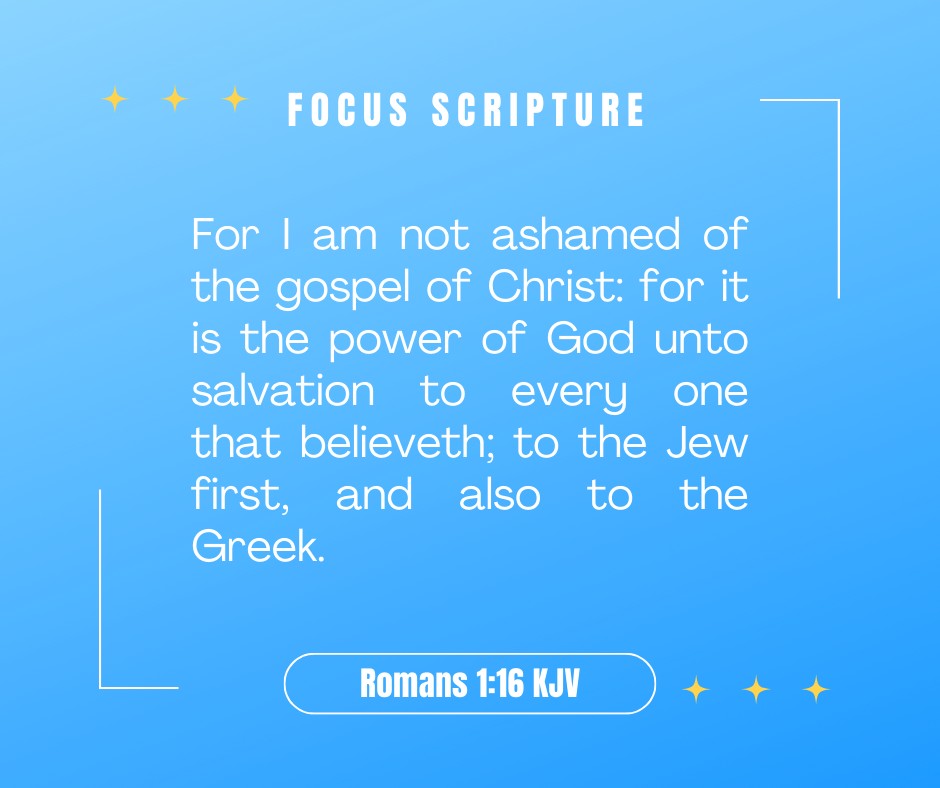
Hello, everyone! I pray you have been blessed by the last two blogs. Today, I want to talk about what it looks like to live unashamed and be bold in our faith in Christ. We are living in a time where people are declaring their faith in everything but God. And others are declaring their faith in Him while holding on to practices that are contradictory to the Word. This week’s blog will challenge us to examine 4 areas in our lives to discover if we are truly living unashamed. As believers, we must be unashamed to be saved, to stand out, to be set apart, and to share our testimony.
Unashamed to be Saved
As we navigate our lives as believers, we should not be ashamed to declare and make it evident that we are saved. It is not about telling everyone you come across that you are a born-again believer. But simply, it can be conveyed in our character, conduct, and conversations. The people we encounter can see a difference in the way we carry ourselves. There is a distinction that believers have. I have grown to understand it is not about rattling off scripture to everyone we meet. Instead, it is how we present ourselves to the world around us. Yes, there is a time and place that we need to be prepared to share scriptures and, most importantly, the gospel of Jesus Christ with others.
But in doing so, we need to be led by the Spirit of God to effectively navigate these opportunities. It is not a place of condemnation or bashing people with scripture. Instead, it is leading with love, grace, and the hope of planting or watering a seed sown. We are called to be disciples and follow after Christ. In doing so, we must remember that we represent Him in the world. When the world sees us, they should see Christ in us.
So I pose these questions: Can others recognize that you are saved? Is there a distinction in your life now that you are saved, or have you remained the same in your character, conduct, and conversations?
This is something to think about. When we give the Holy Spirit access, He will reveal any areas within us or in our lives that are contrary to the Word. With His guidance, we are able to live unashamed, to let it be known we are saved. We boldly express our identity as a born-again believer in Christ.
Unashamed to Stand Out

In addition to being unashamed to be saved, we are to be unashamed to stand out. Believers are the light of the world. That means we will stand out in a world full of darkness and wickedness. We are not instructed to hide our light but rather let it shine. And when our light shines, it shows our good works before others. When those good works are evident, it is not for self-gratification or self-exaltation but to glorify our Father. Our character, conduct, and conversations should be glorifying to the Father, not ourselves. We are His children and should be intentional in representing Him well. We should not be fearful to stand out and be the light of the world. We once were living in darkness, but God called us out and brought us into His marvelous light. No matter how we are received by others, we should remember we are children of light.
With that understanding, we should not seek to dim our light to blend in with the darkness around us. Instead, let it shine. So I ask you this: Are you letting your light shine, or are you dimming it just so you can fit in? If your environment or the people around you cause your light to be dimmed, I would challenge you to ask the Holy Spirit for boldness to authentically be who you are called to be in Christ Jesus. Not with pridefulness, boasting, or arrogance but with unshakeable Holy Ghost boldness. In Him, you can completely embrace being the light of the world and do so unashamedly.
Unashamed to be Set Apart

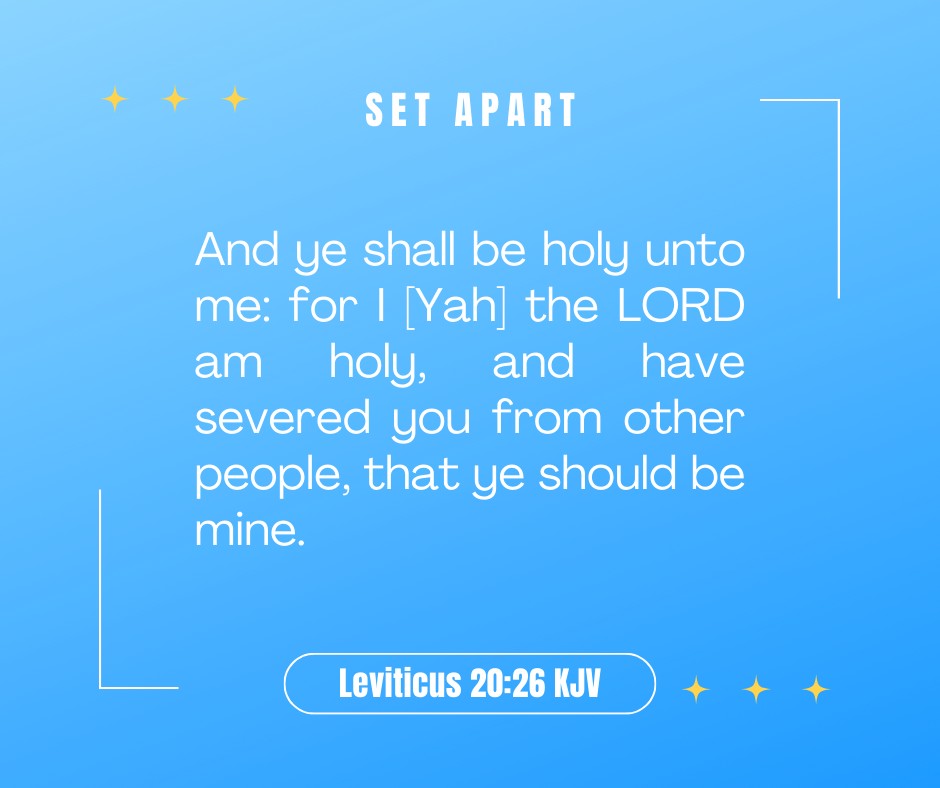
Just like the Holy Spirit gives us boldness to embrace standing out as the light of the world, He also leads us in living a set apart lifestyle. To be set apart means to separate something and keep it for a special purpose. As God’s children, we are instructed to be holy as He is holy. Holy is defined as dedicated or consecrated to God or a religious purpose; sacred. Additionally, it is defined as properly, whole, entire, or perfect, in a moral sense; hence pure in heart, temper, or dispositions; free from sin and sinful affections. We can not serve a holy God but live an unholy lifestyle. We are called to a lifestyle of holiness. It is not something we practice one day and don’t do the next. It is continual. It is not synonomous only with a church denomination or just for a certain group of believers. As a child of God, holiness is a requirement, not a suggestion.
With the definitions provided for set apart and holy, I want to reiterate that there is a distinction among believers. The manner in which we live is different from those in the world. So I ask you, are you committed to living set apart? Have you removed yourself from anything that can be misconstrued as appearing evil or unholy? This is something we must examine. That is why our character, conduct, and conversations should be glorifying to God. With all that was previously mentioned, we are being bold believers when we are unashamed to be saved, to stand out, to be set apart, and lastly, to share our testimony.
Unashamed to Share our Testimony
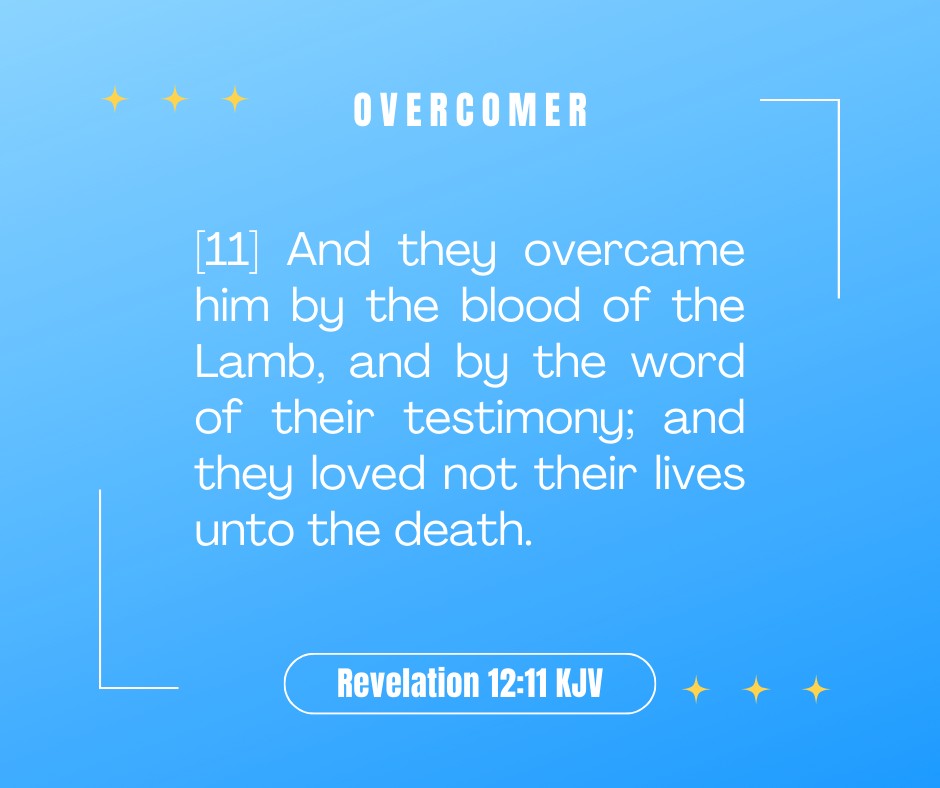
In this last area, we can struggle with sharing our testimony if we are battling the shame of our lifestyle before salvation. We may easily share our faith and the gospel of Jesus Christ with unbelievers. We may have no problem standing out as the light of the world. We could even fully embrace a lifestyle of holiness. But others of us have a difficult time overcoming our past mistakes and sins. The devil is the accuser of the brethren, who sows condemnation to keep us in a state of fear and shame. While in that state, we remain silent and bound instead of bold and free. Our mouth is muzzled, and the weight of the past weighs us down.
But we don’t have to live in condemnation and be weighed down. We can overcome it when we believe that our Savior’s shed blood redeems us. The mistakes and sins we have confessed and repented of are covered by the blood of Jesus Christ. Our slate is wiped clean, and we are restored. Regardless of the devil’s attacks that will come, we can resist Him. We do not have to accept the condemnation, fear, or shame that he attempts to sow into our lives. And, once we overcome the condemnation, we can unashamedly share our testimony with others as led by the Holy Spirit. The key is to be led by the Spirit of God as He will guide us in what we should or should not share. He will give us the discernment to know the appropriate time and place to share and with whom. So follow His lead, and He will not steer you wrong.
Closing Thoughts
With everything I discussed, it is my hope that each of us can fully live unashamed and be bold believers for Jesus Christ. Regardless of the world and the culture surrounding us, I pray we will remain on fire for Christ, representing Him well from our character to our conversations with others. I hope you can take this information and fully embrace being unashamed to be saved, to stand out, to be set apart, and to share your testimony.
And until next time, have a great day and a blessed week.


You must be logged in to post a comment.