Hello everyone!! We’ve made it to the 8th week of our Fruit of the Spirit discussion. This has been a great learning experience that has shown me how important each fruit is in the lives of believers. We can not produce them in our own strength but only by the Spirit of God. As I previously mentioned, these spiritual fruit are cultivated in our lives as we abide in Christ. To bear fruit, we must remain in Him. And remaining in Christ allows the Father to prune us, removing anything that hinders our ability to produce spiritual fruit. I hope that we will use these discussions as a means to reflect on our daily lives and interactions with others to examine the fruit we are producing. And, if there are any areas where we’re lacking, we would allow the Father to prune us in order to be more fruitful.
In today’s blog, we are exploring the fruit of gentleness. We will discover how we can use Godly wisdom to maintain gentleness in our conduct and conversations with others.
Understanding Gentleness
In order to walk in gentleness, we must have an understanding of what it is and what it is not.
Gentleness is…
Gentleness is not…
With the definitions, synonyms, and antonyms listed above, we should now have a clear understanding of what gentleness means. Based on this information, we can look at our lives and examine if we are walking in gentleness or if we need to improve in this area. For some, this comes easily, while others of us need more work. No matter which end of the spectrum you find yourself on, we can ask God to help us to be consistent and authentic in our walk. It’s a privilege that believers have, not having to depend on our own strength. Instead, we have our Father who empowers us in doing so. He does not force us, but when we decide to walk in gentleness, He gives us the ability to do so.
So I pose the question: Within the various areas of your life, is the fruit of gentleness evident? On your job, would you be described as gentle or rough? In your home, would your spouse describe you as aggressive, argumentative, and rigid? Would your children consider you to be unkind, harsh, and demanding? Do those outside your home receive a more gentle version of you than those you live with? There’s a time and place for everything. We can find ourselves in situations where it’s necessary to be firm in our approach, choosing to be stern with our actions and words. But everything should be said and done from a place of love and consideration of the other person, not with the intention of mistreatment through belittling and degrading.
During times of correction and discipline, children should know–even though they may be upset–that they are still loved. The discipline they receive should not be used as a form of abuse or mistreatment but to correct bad behavior and lead them down the right path. In our relationships–not only in marriages–when we disagree or there is something the other person may have said or done that bothered us, we shouldn’t become aggressive and unkind turning the matter into an argument. These are just a few areas to take into consideration to recognize whether or not we are displaying gentleness. In the next section, we will discuss how we can learn to walk in gentleness.
Learning to Walk in Gentleness
To walk in gentleness takes intentionality. It’s a decision we have to make. It is important that our way of thinking is renewed in the Word. Oftentimes, how we operated prior to salvation or what we experienced in childhood shapes our interactions with others. But now, as we read and meditate on scripture, we learn how we should live as believers. We’re able to see the correct way to interact with others that reflects our identity as a child of God and our regenerated nature. It’s a process of unlearning old ways of thinking and doing and, in return, relearning through the Word aided by the Holy Spirit. It is the Holy Spirit who is the Spirit of Truth. And, He will lead us into all truth. To walk in gentleness, we need His assistance. We may encounter times in which we have resistance in extending gentleness, but the Spirit of God serves as a gentle reminder to respond or act with gentleness.
In James 3, it discusses the two types of wisdom: one is earthly, sensual, and devilish, and the other is from above (Godly wisdom). Godly wisdom brings us to a place of maturity, allowing us to operate in a manner that is peaceable and gentle. God’s wisdom will lead us to handle matters the correct way. We won’t be driven by our feelings, allowing our flesh to dictate our reaction. When an issue or conflict arises, we are not reactionary. We are soberminded and handle it with wisdom. Being even-tempered gives us the ability to offer a gentle response in the midst of a difficult situation. Proverbs 15:1 shows us that a soft or gentle answer turns away wrath, but harsh words will stir up anger.
To walk in gentleness, we need the ability to endure longsuffering. We have to be forbearing with one another. When difficult situations arise, it will test our patience to see if we can still display love and gentleness to the other person. It takes Godly wisdom to restrain yourself from saying or doing something that is not Christ-like when involved in a heated matter. People may intentionally instigate or agitate you to elicit a negative response. As believers, it’s imperative that we be prepared for these situations and respond in a way that is pleasing to our Father rather than satisfying the other person.
Lastly, in our daily conversations, it is necessary to put off the old man and its former conversations. The way we talk now should be edifying, not tearing down. Once we are born-again, we should no longer continue talking in a manner that is harsh, confrontational, belittling, disrespectful, or is flat out degrading. Our nature changes when our inner man is regenerated. Through the process of sanctification, the Holy Spirit works on the inside of us, making us more like Christ. Our conduct and conversations are changed, reflecting the inward change that has taken place.
RECAP
Understanding Gentleness
Gentleness is…
The quality or state of being gentle especially : mildness of manners or disposition
The quality of being calm, kind, or soft
Similar words: tenderness, kindness, meekness, and softness
Gentleness is not…
Aggressive
Argumentative
Callous
Demanding
Harsh
Rough
Unkind
Within the various areas of your life, is the fruit of gentleness evident?
Learning to Walk in Gentleness
Being renewed in the Word
Unlearning old habits and ways of thinking and relearning through the Word, aided by the Holy Spirit
Having Godly wisdom
Endure longsuffering, being able to fobear with one another
Putting off the old man and its conversations
**Scriptures used from the authorized King James Bible
**Definitions used from the Oxford, Cambridge, and Merriam-Webster Dictionaries
Next Week’s Blog: The Final Week of the Fruit of the Spirit
Hello everyone!! We’ve made it to week 6 of our discussion. There are only 3 more fruit to explore. Throughout my time of preparation for each week’s blog, it has been fascinating to be able to learn and grow while sharing with you all. I hope that as you journey along, you are gaining new insight on each fruit of the Spirit. I have found it interesting to see how the various fruit are intertwined with one another. But the most noticeable is love. It is love that bonds everything together. Choosing to operate in genuine love that comes from the Father is the key that enables us to produce the remaining eight. Our previous discussions should bring awareness that all nine are a packaged deal. We shouldn’t produce only a few while neglecting to have the others. All should be displayed in our lives.
In today’s blog, we will discuss goodness. By examining the scriptures, we are able to see how we can seek to do good toward others. This discussion will challenge us to have a greater level of selflessness. We can not seek to do good to others while we are full of ourselves, wrapped up in selfish ambitions and our own needs. In the next few sections, we will go over the call to do good toward others, how to persevere in goodness, and how we can show goodness to others.
The Call To Do Good Toward Others
Vainglory: inordinate pride in oneself or one’s achievements; excessive vanity (definition from the Oxford Dictionary)
As believers, we must understand that we’re called to do good toward those within the body of Christ as well as unbelievers. Christ gives us clear instructions in Luke 6. In verse 25, He tells us to love our enemies and do good to them, which hate you. Then, in verse 35, He reiterates that same command to love your enemies and do good. That paints a crystal clear picture that love and doing good are not subject to only a select few. It’s not a suggestion. We don’t have the option to only do good to those who treat us well. If we are born-again believers, we are required to love and do good with no exceptions to the command. Additionally, Christ instructs us to bless those who curse you and to pray for those who despitefully use you. This takes maturity on the behalf of believers. There is no room for holding on to offense. But most importantly, it leaves no place for us to be vengeful seeking to retaliate for the wrong done to us. Romans 12:21 informs us that we are not to be overtaken by evil; instead, we overcome or conquer evil with good. Once we are born-again our behavior should no longer be dictated by our former sinful nature. We have to put our flesh in check and yield to the Spirit of God.
When we walk in the Spirit, it prevents us from fulfilling the lustful desires of our flesh. We put off any hatred and wrath. We are not reactionary, looking to repay evil with evil. Instead, we give room for YAH to handle the matter. We can rest in the fact that vengeance belongs to Him, and He will repay. What we believe to be a form of retaliation has no comparison to YAH’s wrath. So we need to heed Christ’s command to love and do good. In observing verse 31 in Luke 6, we see that you should do unto others as you would have them to do unto you. We’re to treat others the way we want to be treated. Furthermore, it leaves no excuse for us to mistreat anyone regardless of what they have said or done. It causes us to be responsible for our own actions and prevents us from casting blame. It guarantees that we have to do the right thing and treat people the right way.
With our call to do good toward others, there is a need for selflessness and generosity. We can not fulfill this command if we’re only concerned about ourselves and our own needs. We should look out for one another. Those who have the ability and resources should use what they have to meet the needs of others. We should not hoard all our resources when we have the capability to assist someone else. If a person has a need, those who can should be ready and willing to help the individual.
Persevering in Doing Good
As believers, it’s possible for us to become fatigued as we give and pour into others. The above scripture serves as a reminder to not grow weary as we seek to do good. While in pursuit of doing good, it’s vital that we, ourselves, are refreshed. Those who pour into the lives of others also need to be poured into. We can not pour effectively when we are depleted. That’s why times of refreshing are necessary for each and every one of us. The refreshing we need comes through presence. When we spend time in the presence of our Father, we are renewed. We are able to feel rejuvenated. Where we once felt depleted, we now have new energy. Through YAH, we receive His strength. The motivation we need to keep pressing forward is given through His Spirit. As we read and meditate on the Word of God, our minds are renewed. Our “why” becomes clear, and we don’t lose focus. Being empowered by the Holy Spirit enables us to persevere, continuing our seek to do good toward others.
How to Show Goodness to Others
Displaying God’s goodness to others
Rooted in love – Having a heart of compassion that is concerned about the well-being of other people (Love and concern)
Looking out for others instead of being consumed with ourselves (Selflessness)
Requires stripping ourselves of selfishness and putting on selflessness
Making the necessary sacrifices for the betterment of someone else
Being intentional in meeting the needs of others (Intentionality)
It takes humility to consider others before ourselves. (Humility)
Servanthood – Service to others – Volunteering
Displaying the love of God while serving others in their time of need
Treat people with dignity and compassion
Serving, not out of obligation, but from a genuine desire to be a blessing to others.
Our motives matter, our heart posture matters, and we need to examine our why.
We need to ask ourselves, why am I serving or volunteering?
Is it solely out of responsibility? Is it for recognition? Would I still serve if I never received any acknowledgment or praise from others? Is it a mixture of both responsibility and the expectation of recognition? Or, is it because I have the desire to help/serve in whatever capacity I can?
Examples of Service and Volunteering
Meeting the spiritual needs of others by sharing the Gospel of Jesus Christ (Sharing the Good News with others – Evangelism)
Serving within your church’s outreach ministry (Ministry outside of the church, reaching the surrounding communities)
Participating in community outreach organizations
Feeding the homeless at a local shelter
Donating new or gently used items to local shelters
Volunteering at a local food bank
Hosting a (food, clothing, or toy) drive to benefit men, women, and children who are housed in a local shelter
Giving our personal resources to meet the needs of others
Giving clothing and household items that are still in good condition to individuals (as led by the Holy Spirit)
Giving monetary donations (as led by the Holy Spirit)
Put It into Practice: Personal Reflection
Are there any areas hindering you from displaying goodness to others?
Challenge: Find an opportunity to do good toward others.
Closing Thoughts
With our discussion today, I hope it encourages you to continue to do good to others. And for those of us who need to start the process, I pray this helps to show you the importance of how we treat others regardless of their treatment of us. We’re to treat others the way we want to be treated. We are required to love our enemies and do good. As I often reiterate, there is a choice that we all have to make. We can choose to do it our way and face the consequences or YAH’s way and reap the benefits. The decision is yours.
**Scriptures used from the authorized King James Bible
Next Week’s Blog
Week 7: Faithfulness 🫐TOPIC: Remaining Faithful as Believers
Tenderhearted: (1) having a kind, gentle, or sentimental nature, (2) easily moved to love, pity, or sorrow : compassionate, impressionable, and (3) very kind and showing a lot of sympathy
Hello everyone!! We are halfway through our 9-week discussion. We’ve already gone over love, joy, peace, and longsuffering. Today, we will examine the fruit: kindness. Each week, as we explore a new fruit, we see how it is connected to the previous weeks. There is no coincidence that the first listed fruit is love. Throughout the last 4 weeks, we can recognize how operating in agape love enables us to be spiritually fruitful. To produce this fruit, it’s vital to start with love, and then the others build upon it. This week’s discussion is no different. In order to extend kindness to others, we need love, peace, and longsuffering. These fruit are incorporated when we: (1) walk in the Spirit, (2) put off the old man and its deeds, and in return put on the new man, (3) walk in love, (4) walk in forgiveness, and (5) maintain our inner peace and peace with others.
What is Needed to Show Kindness to Others
(1) Walk in the Spirit
**Scripture posted separately-Galatians 5:16-26**
In the passage of scripture, it shows us how walking in the Spirit allows us to produce spiritual fruit. As believers, it’s important that we understand the Spirit and the flesh have desires that are contrary to one another. What the Spirit desires, the flesh resists, and what the flesh lusts after is against the Spirit. The two natures are always in opposition. But in order to be fruitful, we need to walk in the Spirit. When we do so, we are resisting the flesh, not fulfilling its lust. Consequentially, when we decide to operate in the works of the flesh, it not only prevents us from producing fruit, it causes us to forfeit our inheritance in the kingdom of God. We must choose if we are willing to face those consequences by allowing our sinful flesh to dictate our lives. Instead, when we walk in the Spirit, we have the ability to produce the fruit of the Spirit. In verse 24, we see that as those who belong to Christ, we are to put to death the flesh along with its passions and desires. Once we are saved, we should be Spirit-led, not driven by our flesh. Even though our inner man is regenerated, our flesh will war against all things pertaining to the Spirit.
Our spiritual walk is strengthened as we build up our spirit man. There are different ways we can be intentional in accomplishing this. We can do so when we read and meditate on the Word of God. In prayer, it cultivates a time of communing with the Father. Through our praise and worship, it causes our minds to be centered on YAH. When we prioritize building up our spirit man, we are able to yield to the Spirit rather than giving in to the persuasion of our flesh. The stronger our spirit becomes, the less of a hold our flesh has on us, influencing the indulgence in sinful behavior. With our lives being led by the Spirit of God rather than the flesh, we can put off the old man and put on the new man with its regenerated nature.
(2) Put off the Old Man and its Deeds ➡️ Put on the New Man
Put off the old, sinful nature and put on the new man with its Godly nature which includes compassion and kindness.
When we walk in the Spirit, it enables us to put off our old man and its sinful nature. As believers, regenerated by the Spirit of God, our nature changes. Our desires become aligned with God. As we seek after the Father and draw closer to Him, there is a noticeable distinction. When our mind is renewed in the Word, meditating in the Truth, we can operate in holiness. This area takes intentionality. We must be willing to let go of the former nature–the way we lived prior to salvation. We can not cherish and hold on to carnality. Carnality will never yield Godly results; and we can not expect that it’llenable us to produce spiritual fruit. So we should put on the new man that is renewed. In Colossians 3, it details the nature we are to put on; and we now have the awareness of how we ought to live. As YAH’s children, we are able to display Godly behavior. In yielding to the Holy Spirit, we put on Christ’s nature that is modeled for us. It is two-fold; we first make the decision to imitate Christ, and with assistance from the Holy Spirit, He gives us the ability to do so.
(3) Walk in Love
After we have put off our old nature and in return put on the new man with its new nature we need to walk in love. Love is a vital aspect of being able to produce any spiritual fruit. In order to show kindness, we must have genuine and fervent love for others. When we display kindness in and of itself is an act of love. We see in John 13, our Savior commanding us to love one another. The way we love reflects who we belong to. The former nature of anger, wrath, malice, hatred, and contention is put off, and we can walk in love. As followers of Christ, we’re to model God’s love before the world. **To have a brief refresher on how agape love should be expressed is given in I Corinthians 13:4-8a, Romans 12:9-10, and I John 4.
(4) Walk in Forgiveness
As believers, we can more easily walk in forgiveness when we are not harboring offenses and walking around in bitterness, resentment, and contempt. Conflicts occur that cause a rift in relationships. But in these situations, it requires us to patiently endure with others. That is why operating with forbearance is a must. Consequently, if we walk in unforgiveness holding grudges, deciding to keep a record of wrongs it hinders us from producing kindness. If we habitually rehearse what someone has done, the offense in our heart blocks our ability to love, furthermore affecting our ability to show kindness. So when conflict and offenses arise, we must decide if we will walk in unforgiveness or choose to forgive to maintain the peace in the relationship.
(5) Maintain Our Inner Peace and Peace with Others
Trusting in YAH and keeping our mind on Him enables us to maintain inner peace. As believers, called to be peacemakers, we should desire peace and pursue after it.
In our ability to show kindness to others, we need to maintain our inner peace and peace with others. When we show kindness, it may not always elicit the response we hope. When our motives are pure, we should display kindness regardless of how receptive the person is. That is why it’s necessary for what we do to be done in love, not for recognition and the praises of men. We need an inward resolve of peace because there may be occasions when the act of kindness is not received well or the other person may come across as ungrateful or unappreciative. In those moments, we should not be deterred from extending kindness as led by the Holy Spirit. Also, when maintaining peaceful relationships with others, not harboring any animosity makes it easier to show kindness. If we have made the decision to forgive for any wrongs committed and walk in love, there is peace in our interactions, allowing us to effortlessly show kindness. With that understanding is why we need to walk in the Spirit to allow Him to lead us in our way of expressing genuine kindness.
Ways to Extend Kindness to Others
As believers, we should lovingly serve one another and love our neighbor as ourselves.
Encouragement
Finding ways to encourage someone
Encouraging Words
Thoughtful Phone call or text message
Visiting the person
Showing up for Others: Being present with someone as they navigate difficult times and changing seasons in his/her life
Giving people the space to express themselves while being supportive and a listening ear
Showing concern and giving a comforting word to someone who is grieving the loss of a loved one or a major transition in life.
Providing acts of service
Providing a meal for someone who has recently had surgery and is unable to cook for him/herself
Helping out with household tasks for someone who needs assistance
Vacuuming, doing laundry, dusting, cleaning, cooking, etc.
Providing care for someone battling a major illness/disease (serve in your reasonable capacity)
Driving the elderly or those without a vehicle to complete their errands.
Grocery shopping, doctor’s appointment, etc.
**In providing acts of service, we don’t do so with the expectation of receiving praise for our good deeds. But we should do so from a pure, compassionate heart with a genuine desire to be a blessing to others.**
RECAP
What is Needed to Show Kindness to Others
Walk in the Spirit
Galatians 5:16-26
When we walk in the Spirit, we will not fulfill the flesh’s lustful desires.
Walking in the Spirit enables us to produce the fruit of the Spirit.
Putting off the Old Man with it Deeds and Putting on the New Man
Colossians 3:5-15
Put off the old man with its sinful nature
Put on the new man that is renewed in the Word of God
Carnality will never yield Godly results; and we can not expect that it’ll enable us to produce spiritual fruit.
Putting to death the works of the flesh (carnality) + Building up our spirit (strengthening the spirit man) + Walking in the Spirit = Producing spiritual fruit
Walk in Love
John 13:34-35 and I Peter 4:8
In order to show kindness, we must have genuine and fervent love for others.
Walk in Forgiveness
Ephesians 4:32 and Matthew 6:14-15
When we walk in unforgiveness holding grudges, keeping a record of wrongs, that hinders us from producing kindness.
Make the decision: To walk in unforgiveness or choose to forgive when conflict and offenses arise.
Maintain Our Inner Peace and Peace with Others
Isaiah 26:3-4 and Psalm 34:14
Maintain our inner peace regardless of how the person responds to our extension of kindness.
When we choose to forgive for any wrongs done and walk in love, there is peace in our interactions with others, allowing us to effortlessly show kindness.
Put it into Practice: Personal Reflection
Are there areas in your life that are hindering you from showing kindness to others?
Challenge: Find a way that you can extend an act of kindness to someone.
**Scriptures used from the New King James Bible and the authorized King James Bible
**Definitions used from the Oxford, Cambridge, and Merriam-Webster Dictionaries
Next Week’s Blog
Week 6: Goodness 🥭TOPIC: Seeking to Good Toward Others
Week 4 Fruit of the Spirit: Longsuffering (Patience)
YAH is our model of longsuffering.
Hello everyone!! We have been journeying through the fruit of the Spirit for the past 3 weeks. So far, we have explored love, joy, and peace. Today, we will discuss longsuffering (patience) and how we can patiently endure as believers. Additionally, we will explore how it is intertwined with fruit from the previous weeks: love and peace. Oftentimes, we see the fourth fruit of the Spirit labeled as patience. But I am choosing to use the King James version, which lists it as longsuffering. I have included definitions of the term so we have the correct understanding of the word. In my own words, I would describe longsuffering as being an enduring type of patience through the troubles and hardships of life. It is persevering and not easily angered, even when faced with difficult people or circumstances. I will break down what we need to patiently endure. This is not an exhaustive list but some suggestions that will help you. It’s divided it into five areas: (1) genuine love for one another, (2) the desire to maintain peaceful relationships, (3) forbearance with others, (4) the decision to walk in forgiveness, and (5) slow to anger.
What We Need to Patiently Endure
Genuine Love for One Another
To patiently endure as believers, we need genuine love. Love that is fake and forced will not enable us to exercise longsuffering. Rather, it will cause us to continually look for reasons or excuses of why we can not walk in love with one another. But in Romans 12:9, it emphasizes the necessity for our love to be sincere. We must confront and resolve any problems we have with displaying love if we truly desire to be longsuffering. As followers of Christ, we are commanded to love one another. It is not a suggestion but a requirement for all who are born again believers. We can not afford to walk around with hate, resentment, bitterness, or strife in our hearts. We must look to our Father to examine our hearts in order to get to the root of what is hindering us from genuinely loving others. When He reveals what is in our hearts, we should be intentional in resolving it rather than pretending everything is fine. We can seek His guidance in working out the issue. We don’t have to do it in our own strength. When we are truly repentant, sorrowful of what is hidden in our heart, He helps us in the matter. Through the leading of His Spirit, we are able to rectify the wrong and put things in Godly order, enabling us to walk in genuine love.
The Desire to Maintain Peaceful Relationships
The next area that is necessary for believers to patiently endure is having the desire to maintain peaceful relationships. When our aspiration is to have peace within our relationships, that is half the battle. It is a matter of having the right mindset. We can have a mindset of peace and unity or one of strife and discord. Everyone doesn’t have the same way of thinking pertaining to our interactions with each other. Some people thrive off drama and chaos. They immaturely live to meddle in other people’s lives and stir up mess. Others who are mature, operating with Godly wisdom genuinely pursue peaceful relationships. In Psalm 34:14, we are instructed to seek peace and pursue it. As believers, we should be peacemakers, not sowers of discord, strife, and division. That behavior goes against how we are called to live. When we maintain peace with others, it enables us to exercise longsuffering. If our focus remains on peace, we can endure through the difficult times in our relationships with others.
Forbearance with Others
The third area that is instrumental in believers exercising longsuffering is forbearance. As believers, we need to be able to patiently restrain ourselves in difficult situations. There are times that test our character and our ability to exercise self-restraint. When they come, we may be pushed to our limit. We will have to face challenging situations with others that force us to exercise restraint in spite of the person looking for a reaction desiring to pull us out of Godly character. When we choose to operate in forbearance, we are not reactive to instigators, agitators, and arguers. Withthe assistance of the Holy Spirit, we are able to sustain our character while working toward maintaining peace, if possible. Also, in being forbearing with one another, we do so in love. It requires walking in genuine love to choose peace and to deal with others in patient self-restraint during trying circumstances. With forbearance, it leads to the need for us to walk in forgiveness as believers.
The Decision to Walk in Forgiveness
In this area, it takes each of us making a mature decision to forgive. We will have circumstances where we are provoked either intentionally or unintentionally. If we choose to walk in unforgiveness, it restricts us from being able to love authentically, and likewise, we may not desire to pursue peace with others. Staying in a state of unforgiveness prevents us from operating in longsuffering when we face challenges and hardships. Just as we are required to love one another, the same applies to forgiving others. If we hope to patiently endure, we can not ignore the need to forgive. Walking in unforgiveness is a major hindrance in our lives that has dire consequences that are often overlooked. If we choose not to forgive others of their faults (whatever they have done or said to us), God will not forgive us of our sins. No matter what conflict or offense has occurred, we need to forgive. It is not excusable for us to stay in unforgiveness as believers. We must forgive and release them to God. It is our responsibility to forgive and let YAH handle the rest. We can not be vengeful and look to repay evil with evil. We must release them to the Father. Forgive, release, and let YAH handle the rest.
Slow to Anger
Our example as believers for being slow to anger is modeled by our Father.Be quick to listen, slow to speak, and slow to anger.
In the last area, our Father models for us being slow to anger. We should not be hot-headed, quick-tempered people. Throughout the scriptures, we are instructed to be slow to anger and to rule over our spirit. In life, we will face troubles, hardships, and people that cause us to become angry. It is unrealistic to think we will never be angry. But the difference is, as believers, we should not be easily provoked to anger. Both minor and major conflicts, disagreements, or inconveniences with others should not lead us to a place of being enraged or wrathful. We shouldn’t be overtaken by anger. Ephesians 4:26-27 says, “²⁶Be ye angry, and sin not: let not the sun go down upon your wrath: ²⁷neither give place to the devil.” To be longsuffering, we must be slow to anger. We should follow James’s instructions and be quick to listen, slow to speak, and slow to wrath. I have looked at James 1:19-20 as reminding believers to listen twice as much as we speak. We have two ears and one mouth. Listen more, talk less. If we take the time to hear and understand what the person is saying, it will help us to be less reactive, argumentative, and defensive. We need to use Godly wisdom not to become reactive when challenges arise or when we have to deal with difficult people. Remain calm, listen to understand, and then address the situation/person with maturity and a level head.
Recap
What is Needed to Patiently Endure
Genuine Love for One Another
God models how we are to love. (Agape love)
Sacrificial, selfless unconditional love
Let our love for others be sincere, not fake or forced.
The Desire to Maintain Peaceful Relationships
Seek and pursue peace with others
As believers, we are called to be peacemakers, not sowers of discord, strife, and division.
Forbearance with Others
Patiently restrain (control) ourselves in the midst of challenges
Don’t become reactive, but maintain our peace. (Stay calm, cool, and collected)
Forbear with one another in love
The Decision to Walk in Forgiveness
It is up to each of us to choose if we will walk in forgiveness or unforgiveness.
Staying in a state of unforgiveness prevents us from operating in longsuffering when we face challenges and hardships.
When we forgive, release the person, and let YAH handle the rest. (Forgive, release, and give it to God)
Slow to Anger
Learn from YAH’s example of being slow to anger.
During a conflict or disagreement, be quick to listen, slow to speak and slow to anger.
Two ears and one mouth: Listen twice as much as you speak
Listen to understand, not just to respond
Think About It: Personal Reflection
Am I exercising longsuffering in my life regarding my relationships with others?
Are there areas in my life God is stretching me to have a greater ability to patiently endure?
**Scriptures used from the authorized King James Bible
Next Week’s Blog
Week 5: Kindness 🍓Topic: Extending Kindness to Others
Peacemakers: individuals who actively seek to reconcile and restore harmony in relationships, communities, and nations (definition from https://biblehub.com/topical/p/peacemakers.htm)As believers, we should be intentional in seeking peace and pursuing after it.
Hello everyone!! This is the third week of our fruit of the Spirit discussion. So far, we have explored walking in love and joy. Today, we will discover how we can be intentional in living a peaceful life. It does take work for some of us more than others. But no matter how difficult or easy it may be, it is necessary for us to be peaceful people. Two areas that are vital for each of us to be peaceful people are understanding that we first must be loving and, two, have a greater dependency on the Holy Spirit. Genuine, not fake, love is needed to have peace. Walking in peace is easier to do when we truly love one another. Also, when we have difficulties or issues arise, we can lean into the Holy Spirit’s guidance on how to maintain peace. Conflicts, whether great or small, can cause breaches in our peace with one another. But we are responsible for being peacemakers, not to harbor any ill-feelings further causing a strain in our relationships. In the above scripture, Matthew 5:9, Jesus is talking with his disciples and discussing the beatitudes. He says those who are peacemakers are blessed and will be called children of God. We are not to be arguers, agitators, or instigators, but as God’s children, we are peacemakers. Additionally, Psalm 34:14 reminds us to seek peace and pursue it. We should make every effort to live in peace, not involving ourselves in trivial disputes or divisive behaviors that further causes conflict. If we claim to be children of the Most High God, we should walk in peace.
In today’s blog, we will explore: having inner peace, living peacefully with others, behaviors that hinder us from walking in peace, and leading by example.
Inner Peace comes from YAH
When we have complete reliance in YAH and our mind remains on Him, we experience perfect peace.
In order to walk in peace with one another, we must have inner peace. We can not give others what we do not have within ourselves. The inner peace that believers exude comes from YAH. Peace from any other source is a counterfeit and temporary. But perfect peace comes from our Father. When our mind remains on God and we trust in Him, we are able to have peace that sustains us. In spite of the inconveniences, issues, or conflicts that arise, we can remain calm, cool, and collected. We have an inward resolve that gives us the ability to stay peaceful even when circumstances or people want to pull us out of our Godly character. It is important to understand that we will experience times that come to test our capacity to maintain our peace. And, it is up to each of us to handle the situation the right way. During those intense moments, if we are still enough, we can sense the Holy Spirit helping us navigate those times. He will allow us to maintain our inner peace regardless of the outside sources trying to threaten it. The beauty of our walk with Christ is that we have Godly assistance. The same way God has modeled love and has given us joy, He will continue to strengthen us and provide us with the peace we need.
After we have obtained inner peace from our Father, it enables us to more easily walk in peace amongst others.
Living Peacefully with Others
As believers, we are called to pursue peace with all people and a lifestyle of holiness.
The scriptures listed above show us the importance of believers living peacefully with others and being intentional to pursue after it. We must display maturity. When we are interacting with others, there will be times we disagree or issues arise within our relationships. But it takes two mature individuals to work through any problems to maintain peace within the relationship. There are occasions in which one person may be willing to discuss the matter; but the other person isn’t. Instead, he or she is resistant to talk it through in order to clear up the issue. On both ends of the matter, each person must be open to working through the disagreement or conflict. Disagreements will happen, but how we navigate them has a huge impact on our ability to come to a peaceful resolution. A disagreement does not have to become an argument. No one’s point of view is understood when one or both parties are shouting to get their point across.
That reemphasizes the need for inner peace, so when a disagreement arises, it does not turn into a shouting match with no resolution in sight. We need to remain calm even when we are tested by others during emotionally intense situations. We can not solely look at it from a surface level. We must be mature enough to understand that when problems arise, it is not always the person but a spirit in operation within them trying to cause division in the relationship. That is why we need the guidance of the Holy Spirit to help us navigate these situations. When we do so in our own strength, our flesh gets in the way, and it can cause more harm than good. So, we need to allow the Holy Spirit to help us in these areas of conflict management to ensure we can come to a harmonious resolution if possible.
There may be circumstances where we are intentional in seeking peace after conflict; but the other person may have no interest in reconciling. Romans 12:18 makes allowance for that. We are instructed that if it is possible as much as depends on you to live peacefully with all people. That shows us there will be times that we may not have peaceful relations due to the other party’s unwillingness. But if we can, maintaining peaceful relations should be our first desire.
Behaviors that Hinder Us from Walking in Peace
As we are pursuing a peaceful lifestyle, we must have the awareness that there are behaviors that hinder us from walking in peace. Living a peaceful life requires us to operate in Godly wisdom. In doing so, it will help us to avoid behaviors that further bring conflict and division in our relationships. I want to share some that serve as hindrances. Believers should not be contentious. That means we should not be people who are likely to cause a disagreement or argument. Nor should we exhibit an often perverse and wearisome tendency to quarrels and disputes. Simply put, we should not be the cause or instigator of arguments and disputes. Operating with contention contradicts walking in peace. Throughout the Book of Proverbs, we are warned about displaying contentious behavior and how it negatively affects relationships.
James chapter 3 warns us of the consequences of operating with ungodly wisdom; it is earthly, soulish, and devilish. No good comes from this type of wisdom. The passage of scripture emphasizes how detrimental it truly is. We are given the warning that where there is envy and strife, there is confusion and every evil work. As believers, we should not behave in a way that is envious, nor should we be full of strife. These two behaviors will cause us to be at odds with people we are called to love and be at peace with. We should find contentment in what we have rather than comparing ourselves to others, allowing envy to take root in our hearts. Additionally, we should not allow a minor issue turn into a bitter or angry disagreement (strife). Before it causes a major riff in the relationship, it needs to be addressed, having a level-headed conversation. When two hot-headed people try to have a reasonable discussion, it can be like adding accelerant to a fire. Nothing good comes from it, just more possible damage. It is very likely that no one is going to clearly hear what the other has to say. There would be too many emotions involved, and instead of being led by the Spirit of God, both would be led by their flesh.
Lastly, one major behavior that prevents us from walking in peace is immaturity. It takes maturity to have a respectful and honest conversation with the goal being a peaceful resolution. We have to get over the notion of having to be right and prove our point to the other person. That solves nothing. You may not always be right. Rather, the end result should be lovingly making amends coming to a resolution that is beneficial and healthy for both parties. Immaturity will prevent us from actively listening to what the other person is saying. Instead, we have to be quiet enough to listen and comprehend what is being said. We are not listening just to respond and defend ourselves. That’s why it is necessary to have a discussion when both parties are sober-minded, not amped up full of emotions. Otherwise, that can just result in a shouting match. In those moments, we need to give ourselves time to cool down, relax, and let the Holy Spirit lead us in our discussion. It all goes back to allowing the Spirit of God to lead us, not our flesh. Our flesh will only bring more division and strife, creating a further wedge in the relationship.
Leading by Example
In this last area, I want to emphasize the importance of being an example before unbelievers of how to live a peaceful life. We must recognize that as believers, those who are unsaved are observing how we live. Our life is on display for them to see. We can not proclaim one thing while living another way. The way we behave can either give a Godly example or a lukewarm-compromised example. It is up to each of us to make the decision.
In I Thessalonians 4, the apostle Paul instructs the church of Thessalonica to aspire to live a quiet life, mind your own business, and work with your own hands that they may walk properly. This passage shows us how vital it is to live a Godly, peaceful life before others. The way we live should be a positive reflection of who we belong to. There should be a noticeable distinction in believers when the world observes our lifestyle.
To make it relatable in today’s society, we should not live chaotic lives full of drama and discord. We should not meddle in other people’s affairs. Instead, we should take care of matters pertaining to ourselves and our home. While the world feeds off of sin, pettiness, and relational drama, our behavior should reflect Godly character. As believers, we are responsible for presenting a Godly example for the world to see.
RECAP
Inner Peace
Comes from YAH
Walking in peace starts inwardly
Living Peacefully with Others
Seek peace and pursue after it.
If it is possible, as much as depends on you, live peaceably with all people. (Romans 12:18)
Behaviors that Hinder Us from Walking in Peace
Contention
Strife in words or debate; quarrel; angry contest; controversy
Envy
A feeling of discontent or covetousness with regard to another’s advantages, success, possessions, or qualities
Full of strife
Bitter sometimes violent conflict or dissension
Immaturity
behavior that is not as calm and wise as people expect from someone of your age
Pettiness, drama, etc.
Leading by Example
As believers, we should be the example for unbelievers of how to live a peaceful life.
Think About It: Personal Reflection
Am I intentional about living a peaceful life, or does my life thrive off of drama and discord?
Do any of the relationships in my life have strife and division? Is it possible to make a peaceful resolution with the other person(s)?
What example am I displaying to unbelievers? Does my behavior reflect Godly character, or is it lukewarm and compromised?
**Scriptures used from the New King James Bible and the authorized King James Bible
**Definitions used from biblehub.com, the Oxford, Merriam-Webster, and Cambridge Dictionaries
Hello everyone!! This week, we start our discussion on the Fruit of the Spirit. Each week, we will explore one particular fruit. Today’s topic is love. ❤️It’s all about love!!❤️ We will discuss how we can walk in love as a believer. Navigating through scripture will show us what love is, our requirement to love, the example that God provides for us, and how it can be expressed to others.
First, we can understand what love is when we read I Corinthians 13:4-8a. It gives us a perfect understanding of what love should and should not be. I will begin with what love is. In the passage of scripture, we see that love is longsuffering. This means it is showing patience in spite of troubles, especially those caused by other people. Next, love is kind. In showing kindness, we are generous, helpful, and thinking about other people’s feelings. Also, love rejoices in the truth. Verse 7 lets us know that itbears, believes, hopes, and endures all things. These describe what love is. Additionally, it is important to recognize what love should not consist of. When we display genuine love, it is not envious. It’s not boastful of oneself. It should not be prideful. Love is not self-seeking, only looking out for the benefit of oneself.It does not behave unbecomingly or rudely. Love is not provoked to anger. Authentic love thinks no evil. It does not rejoice in unrighteousness. Lastly, it never fails. As believers, we can take 1 Corinthians 13 to analyze if we are truly displaying love the way God has purposed for each of us.
This love is agape love. It’s considered the highest form of love. It is different from storge (familial), eros (romantic), and philia (brotherly/friendship) love. It is unconditional and selfless. What we will discuss further in this post is that our Heavenly Father perfectly shows us how to display agape love. But, before we look at the Father’s example, we must examine the requirement we have as believers.
The Love Command
In the above scripture, Jesus lets us know that we are commanded to love one another. This is not a suggestion but a requirement. He reiterates that when we love each other, we display that we are His disciples. The agape love we give to others shows the world who we belong to. When we choose to love selflessly, we are being Christ-like. Loving others is not always an easy task, especially when dealing with difficult and mean-spirited people. But we have to be mature enough to love the person even when they can’t reciprocate it. Our ability to love is not based on the other person and his/her willingness to embrace us with love. We love because we are instructed to do so. With our Savior giving us this command, we have a perfect model of selfless, unconditional love.
Our Example of Love
Our Father is the template for love. God is love. We look to Him to learn how to love others. In our love walk, we need practice. There may be times when we fall short and do not show love the way that Yah has modeled for us. But when we read the Word, we can mirror God in operating in unconditional love. We see the depth of His love in Romans 5:8 and in John 3:16. It displays sacrificial love. God sent His only begotten Son to die for the sins of the world. In return, the Son willing laid down His life to be the ultimate sacrifice. There is no greater love than that. And, by grace, the free gift of God, all who put their faith in Christ are saved. Because of Christ’s finished work of cross (death, burial, and resurrection), we have life through Him. If we ever struggle with feeling loved, that should be the cure. Through the Truth of God’s Word, we can see and believe that we are fully loved. And, no one can love us more than our Father.
In I John 4:7-21, it emphasizes loving others. It’s a call to action. God loves us, so our response is to love others. When we love, it shows that we abide in God, and He abides in us. As I previously mentioned, displaying love shows the world who we belong to. While the world dishes out hate, we choose love. But it’s not a tolerant, all accepting love. It does not think evil, nor does it rejoice in iniquity. This love does not make allowances for sin or any type of wickedness. It is not tolerating what God has condemned but giving the truth in love led by the Spirit of God.
At the end of the passage, God instructs us to love our brother. He shows us that we can not genuinely love Him if we don’t love our fellow brethren. We must love the people we do life with. We can not harbor hate in our hearts and truly love the Father. In spite of conflicts, disagreements, and even offenses, we must forgive so we do not become bitter and harbor resentment. Consequently, bitterness and resentment can turn into hatred. This shows us the reason why we need to be long-suffering. Otherwise, we would constantly stay in a state of offense, unable to love our fellow brethren. God shows us that the selfless, sacrificial love we give to others must be enduring and genuine.
Genuinely Loving Others
Dissimulation: the fact of trying to hide your real feelings, character, or intentions (from the Cambridge dictionary)
As believers, our love needs to be genuine. Our words and deeds should be in alignment with each other. When we say we love others, we should follow through in our actions. Anything else is merely lip service and insincere. It is possible to feign an “I love you.” But, what we do, or rather how we treat others, proves something entirely different. I want to reiterate the importance of working through differences, disagreements, and conflicts. We can not afford to let trivial things become magnified, bringing in discord, which causes a breakdown in our love walk with others. Genuine love takes maturity. It is giving up the right to be right. It involves putting off any selfishness and ego. Instead, we work through the challenges and hardships together in order to achieve a peaceful resolution and love one another sincerely.
In Romans 12:10, we are instructed to be kindly affectionate to one another with brotherly love. This lets us know that we must show love to each other as in a family. Just as families may have disagreements that can be resolved, the same applies within the body of Christ. As believers, we make up the members of the body, which represent God’s spiritual family. It is important for us to see each other as family enabling us to better love. We operate in selflessness and honor when we give preference to one another.
If we still are having a difficult time displaying love, we need Yah to reveal anything hidden in our hearts that’s hindering us from genuinely loving others. With His guidance, we can identify the root and work towards resolving the issue. But regardless of the issue, we must be mature enough to address it, choose to forgive, desire to reconcile, and then operate in love. No matter what we face in our love walk, we should always remember who our example is. We can turn to our Father, who is the blueprint. When our ability to love is being tested, we have the Word to guide us in agape love. And, thankfully we have the Holy Spirit who brings to our remembrance the Word which we have meditated on and hidden within our hearts. That is why it is vital to meditate on God’s Word so it can be utilized when real-life situations occur.
RECAP
LOVE is… LOVE is not…
Longsuffering
Kind
Rejoicing in the Truth
Bearing, believing, hoping, and enduring all things
Selfless and Sacrificial
Envious
Boastful of oneself
Prideful
Self-seeking
Unbecoming or rude in behavior
Provoked to anger
Thinking evil
Rejoicing in unrighteousness
Love never fails.
Think About It: Personal Reflection
Am I genuinely walking in love?
In what ways can I better show love to others around me?
Challenge: Find someone to sow a seed of love into his/her life.
**Scriptures used from the New King James Bible and the authorized King James Bible
Hello everyone! I pray you have had a great week so far. It is my hope that The Restored Life blog has been a blessing to you. If so, please share with others and subscribe to stay updated with each week’s blog.
In today’s blog, I want to discuss walking in forgiveness. This is a touchy subject, but it’s necessary to address it. Otherwise, we can find ourselves walking in unforgiveness and reaping the consequences of it. As believers, we can not harbor unforgiveness in our hearts toward others. We must choose to forgive others no matter how big or small the matter is. We can not receive forgiveness from our Father if we are walking in unforgiveness toward those who have offended or done us wrong. Forgiving others is not always easy, but we are required to forgive.
To forgive means we: (1) stop feeling angry or resentful toward someone for an offense, flaw, or mistake, (2) stop blaming or being mad at someone for something that person has done, or not punish them for something, and (3) overlook an offense, and treat the offender as not guilty. With these definitions, we have a clear understanding of what it looks like to forgive. It takes maturity to forgive when our flesh wants us to stay in a state of offense and resentment. I can relate to the feelings that arise when someone says or does something that inflicts pain. That pain may be physical, mental, or emotional. Their actions or words cut deep. Previously, I tried to forgive others in my own strength and was unsuccessful.
But once I invited the Holy Spirit into my situation, then I was able to forgive. When thoughts of the wrongdoing would replay in my mind, I still had to choose to forgive. I could not live in a state of continually reliving the offense. In the Word of God, I am reminded that forgiving others is a requirement, as God has forgiven me. Regardless of what was said or done, I have to give up the right to hold a grudge. I can’t afford to stay offended. Otherwise, that will cause anger and resentment to fester in my heart.
Throughout my adulthood, I had to walk through seasons of forgiveness. This was not just one instance but multiple occasions. In life, we will encounter disagreements, conflicts, and offenses. These things are unavoidable. But when the issues arise, we must respond how the Word instructs us to. It’s not based on our feelings and emotions. We can not try to validate them no matter the situation or circumstance.
I have lived through this so I can attest to the inner battle between the flesh and spirit. They are warring against each other. Your spirit will alert you of the need to forgive, releasing the person and the offense. All the while, your flesh is feeding into the wrongdoing, causing you to walk around, angry, resentful, and offended. Honestly, there were times I held on to unforgiveness for years. I thought I had forgiven, but truthfully, I had not. Through the Holy Spirit’s revelation and counseling, I was able to identify the areas where I was holding on to unforgiveness.
The pain attached to the wrongdoing caused me to stay offended and angry at the individuals. It affected how I interacted with them. But with the Holy Spirit’s leading, I sought to make amends as much as possible given the relationship dynamics. Some came through face-to-face conversations. Others were through letters or some form of messaging. I noticed within myself that making amends or clearing up the matter brought peace. My intentions were not to make the other person feel awful and cast blame. Instead, my desire was to honestly share how their words and/or actions affected me and seek to make peace with the person (if possible). The anger I once felt was gone. Regardless of the person’s response, I felt a release from the negative feelings and emotions I had been harboring. These experiences caused me to be aware that forgiveness is necessary and brings healing. It frees you, and it prevents you from having open doors for the devil to gain access to you.
With unforgiveness comes various spirits that can now easily attach themselves to you. Usually, where there is unforgiveness, there is also offense, resentment, anger, and bitterness. These are only a few spirits that can attach themselves to you. Holding on to unforgiveness is detrimental to our overall well-being. We can not walk in unforgiveness and have the expectation of all things going well in our lives. It is a hindrance in our walk with Christ.
So we must make the decision to walk in forgiveness. In doing so, we can forgive others and ourselves. Yes, it’s not just others; we need to forgive ourselves as well.
Forgiving Others
To successfully forgive others, we must invite the Holy Spirit into the matter. We should not be led by our flesh when seeking to make amends with our brothers and sisters in Christ. Whether the issue is minor or major, we need the Holy Spirit to guide us. Being led by Him will have a more favorable outcome than doing so in our own strength.
Also, we must be mature in handling the issue. This shouldn’t be a time of finger-pointing and casting blame. There is a mature way to explain how the matter affected you without telling the person off or giving them a piece of your mind. That’s why it is important to approach the conversation with humility and love led by the Holy Spirit. Pride and having to be right all the time has to go. There is nothing we have to prove to the other person. The end result should be reconciliation, restoring the relationship (if possible).
In addition to being led by the Spirit of God and walking in both humility and love, we must know there are consequences if we choose to walk in unforgiveness. It is important to know that if we decide not to forgive others of their faults, mistakes, or sins against us, God will not forgive our sins. We will not receive God’s forgiveness when we are harboring unforgiveness in our hearts. It’s very simple. Forgive others so God does not withhold His forgiveness toward you.
Another consequence of unforgiveness is that it hinders God from hearing our prayers. Before we pray, we need to forgive anyone for anything that they have said or done. We can not harbor unforgiveness in our hearts while praying to God. It is akin to our prayers being blocked from reaching heaven due to a glass ceiling. We may be unaware of the glass ceiling, but nonetheless, it is still present. That ceiling would be unforgiveness. This shows us the importance of clearing up any complaints, disagreements, arguments, and offenses that we have with anyone. But when we choose to forgive quickly and easily, we do not have to be concerned about any hidden unforgiveness in our hearts. If we find ourselves in a state of unforgiveness, we must choose to forgive so there is no hindrance restricting our prayers to God.
Now that we have explored forgiving others, we can move on to discuss forgiving ourselves.
Forgiving Yourself
This particular area we can often overlook in our lives. By this point, we should recognize the importance of forgiving others. But we also need to forgive ourselves. When we fall short and sin or make a mistake, we may battle self condemning thoughts. Even after we have confessed our sins, we struggle with believing we are forgiven. Or rather, we think God holds the transgression over our heads. I know this is not everyone, but I believe there are others who have battled these thoughts. I have found myself viewing my past mistakes and sins from this frame of mind. As I meditated on 1 John 1:9, my way of thinking shifted. I could believe that when I confessed my sins, God fully forgives me. This is not a partial forgiveness to bring it up at a later date. No, He doesn’t hang it over my head, constantly reminding me of what I had done.
That is not in Yah’s character. It is our adversary, the devil, who seeks to condemn us. Once we confess our sin, we are forgiven. The mistake, trangression, or sin is covered under the blood of Jesus. This is why it’s important to understand and believe we are forgiven by our Father. Take captive any self-condemning thought. Don’t allow it to be implanted in your heart and turn into your belief system. Replace the lie with the truth of God’s Word. That is why we must stay girded up with the whole armor of God daily. (Eph. 6:10-17) In doing so, we have the ability to stand against the schemes of the devil. Now that we are prepared for the enemy’s tactics, we can resist him when he sends condemning thoughts. We make the decision to reject them. And, likewise, we can walk in forgiveness with confidence.
Put It into Practice: How to Walk in Forgiveness
Forgiving Others
Move beyond our emotions and feelings–Forgive easily and quickly.
Don’t allow offense, anger, resentment, and bitterness to take root in your heart.
When we experience an offense or have a complaint against someone, be led by the Holy Spirit to determine how to address the situation.
Address the person with maturity–Do not bring in additional persons who may further stir up strife and division.
Approach the person with humility and love–Remove any pride and do not cast blame.
**Ask for forgiveness**: If there is any wrongdoing or offense you have committed against the individual, ask for his/her forgiveness as well. It goes both ways.
Make amends with our brothers and sisters in Christ–Forgiveness opens the door for reconciliation.
It takes two willing individuals in agreement to pursue a fully restored relationship.
Reconciliation is possible if both individuals make the effort to let go of the offense, heal, and truly desire to mend their broken relationship.
Depending on the nature and severity of the matter, it will take time to restore the relationship. It doesn’t always happen overnight.
Choose to forgive whether we receive an apology or not.
We have to forgive even though some people will never admit their wrongdoings or offenses.
Our decision to walk in forgiveness is not based on the other person’s response.
Let it go and release the person.
Once we decide to forgive, let the offense go. Don’t continue to hold it over his/her head.
Forgiving Yourself
Confess your sins to God and believe according to His Word that He has forgiven you.
Once we confess our sins/faults/mistakes, we need to believe we are forgiven and it is covered under the blood of Jesus.
When self-condemning thoughts arise in your mind, take the thought captive, and cast it down.
Do not come into agreement with thoughts that lead to condemnation and lead you to walk in shame and guilt.
Closing Thoughts
I hope this week’s blog will help you on your journey of walking in forgiveness. I know it’s not always easy. But no matter the difficulty, we must choose to forgive. If you are having a hard time releasing the person and what they have said or done, invite God into the situation. He will guide you through it and help you to fully forgive the person. Healing and restoration are possible for you. All we have to do is be honest with ourselves and with Him.
Until next time, have a great week!
**Scriptures used from the New King James Bible and the authorized King James Bible
**Definitions used from the Oxford, Cambridge, and Webster’s 1828 dictionaries
Hello everyone! In the previous blog, we discussed Exodus 32, where it gave us a firsthand account of the Israelites straying away from the Most High and being led into idolatry. We also discussed the first three types of idolatry: entertainment, social media, and self. If you have not read Part 1, I would highly suggest that you start there before proceeding with this week’s topic.
6 Types of Idolatry
Entertainment (Apr. 30th)
“Living a life driven by fun and being entertained”
Social Media (Apr. 30th)
“Living for the likes and shares of others”
Self (Apr. 30th)
“Living a life full of yourself”
Relational
“Living a life entangled in idolatrous relationships”
Organizational
“Living a life joined together with idolatrous organizations”
Religious
“Living with blind allegiance to a church, denomination, or leader”
Relational Idolatry
“Living a life entangled in idolatrous relationships”
The fourth type of idolatry is relational idolatry. Within this area, we will focus on three types of relationships: romantic, familial, and friendship. In addition to these types, we’ll discuss our relationship with food, money, alcohol and drugs. Within romantic relationships, idolatry can show up when we idolize marriage or our spouse. Marriage can turn into an idol when those who are single or in a courtship become obsessed with getting married or the thought of being married. They live with the mindset that marriage is the totality of their existence. Marriage is a beautiful covenant designed by God between a man and a woman; and, it is great to desire to be married. But that desire can become unhealthy and idolatrous when our entire life and existence revolves around it.
We can not live consumed with the thoughts of: Will I ever get married? Who will I marry? When will I meet my future spouse? Will God send me my spouse? How long will it be before I get married? When this becomes our frame of mind, our consistent way of thinking, marriage has turned into an idol. And likewise, for married couples, you can make your spouse an idol when you are wrapped up in every part of the person, and your entire existence revolves them. At this point, you have taken God off the throne and made your spouse your god. You should prioritize your marriage and household. It is important to be fully invested in your marital union, pouring into your spouse, ensuring that you have a healthy and thriving marriage. But your spouse should never be your everything; only God should be that in your life.
If we have moved God from being our everything and substituted Him with a counterfeit, we are walking in idolatry. Regardless of your responsibilities to your spouse and household, you can not afford to neglect your relationship with Yah. Time with the Father is still necessary no matter your relationship status. It may look different than before, but nonetheless, it still should be your priority. If there is any infatuation or obsession within the relationship that is a recipe for disaster, and we are simply waiting for the consequences of our idolatry to manifest. It is vital that we have Godly order and balance in our relationships. If there is anything out of alignment, we can ask the Holy Spirit to help us restore the proper relationship dynamic. It will guarantee that we are no longer making marriage and our spouse, an idol.
The next area in relational idolatry is familial relationships. It is possible to make our family an idol. We know that caring for our family and managing our household is a priority. We are expected to do so. But we can find ourselves idolizing family members completely unaware of how it is affecting the family dynamic. Parents do so when they put their child(ren) on a pedestal, thinking they can do no wrong. They make allowances for the areas that need to be corrected. In withholding correction, they allow their children to be out of order. They attempt to befriend their children instead of being a parent, providing the instruction their children need. Or, they can show overt favoritism of one child over another.
In a family with multiple children, siblings are fully aware that some or one is the parent’s favorite. The exalting of one child over another causes strife and division. This is damaging to the family unit and can have long-lasting consequences. We can’t forget Jacob’s favoritism of Joseph and how it negatively affected the relationship dynamic between the siblings. Yes, if you’ve read the story, everything turned out well in the end for Joseph and his brothers. But this is a primary example showing how favoritism causes a breakdown in familial relationships and should be avoided at all costs. In understanding the possible repercussions for idolatry, we should be mindful not to put others on a pedestal.
The third area of relational idolatry is our friendships. We can fall into friendship idolatry when we put all our energy and effort into friendships while neglecting our relationship with God. Yes, it is important to cultivate and maintain Godly friendships, but we should not do so at the expense of putting God on the back burner in our lives. When we have free time, we should prioritize time with Him and study His Word. We can not spend all our free time with friends and never dedicate time to Yah. We must have our priorities in order when it comes to our relationships so they do not become idols.
Outside of our relationships with people, we can have idolatrous relationships with other things in our lives. I want to focus on our relationships with food, money, alcohol and drugs. I know you may think that these areas can’t be an idol. But they have the ability to be one when we have extreme love for it. It becomes insatiable. It gets to a point in our lives where the particular thing is used as a place of comfort or a way of escape.
Our relationship with food can become an idol when we are driven by hunger, and our hunger pangs dictate our lives. There comes a time when we need to turn down our plate and fast for a meal or two, or even a longer duration of time. Do we give in to our flesh rather than telling our body, no? Do we allow our stomach to control us rather than controlling it? If we have become gluttonous, excessively indulging, food is now an idol. When we eat to provide comfort rather than for natural sustenance, it develops into an idol. Whenever food becomes a crutch, what we use to get through something or as a way of escape it leads to idolatry. As believers filled with the Holy Spirit, we need to make the decision to exercise self-control and tell our body no. We must rule over our flesh, not allow it to rule over us.
Next, our relationship with money can be an idol. If we find ourselves wrapped up in the love of money, it has turned into an idol. The Word tells us that the love of money is the root of all evil. Money itself is not evil. However, when our affection is attached to it, it is. We should be good stewards of what we have not becoming greedy, money hungry, and driven by wanting more and more.
It is important to pose questions to recognize where our heart posture is towards money. When we give the Holy Spirit access, He will reveal it. Some questions to ask are–With what I have or hope to obtain, what will I use it for? Is it to ensure my family and household needs are met? Do I look for an opportunity to be a blessing to others? When I have the funds to help someone else, do I tightly hold on to “my” money and turn a blind eye to their needs? Do I put some money aside for a much needed vacation? Or, is it all for selfish reasons, looking out for myself only? We must ask those questions to identify any areas where our relationship with money has grown into idolatry. With the help of the Holy Spirit, we are able to renew our mind from our old way of thinking and living no longer bound to the idol of money.
The last two areas are alcohol and drugs. They can develop into a way of coping and finding peace outside of God. When we have to self-medicate with alcohol and drugs to find peace, or if we use it as an escape, it has become an idol. No matter what we are facing, the comfort and peace we need is found in God alone. With alcohol and drugs, it may give temporary satisfaction or pleasure that keeps you coming back. But you will never find true fulfillment in it. This satisfaction outside of God has consequences that are both short-term and long-term. The only true satisfaction that we can obtain is through Jesus Christ, not from any other source. Everything else is a counterfeit that takes from you more than it gives.
Organizational Idolatry
“Living a life joined together with idolatrous organizations”
The fifth type of idolatry is organizational idolatry. This type is commonly overlooked. In this area, I want us to consider the following organizations: Freemasonry, the Order of the Eastern Star, Fraternities, and Sororities. When we examine any organization from a surface level, we may not see the idolatry that is lurking beneath. Generally speaking , we may be familiar with the impact these groups have in society and their contributions in service or monetarily to the communities around them. Nevertheless asbelievers, we have to be mindful of who and what we join ourselves to. The scripture that is befitting is 2 Corinthians 6:14-18:
‘Be ye not unequally yoked together with unbelievers: for what fellowship hath righteousness with unrighteousness? and what communion hath light with darkness? And what concord hath Christ with Belial? or what part hath he that believeth with an infidel? And what agreement hath the temple of God with idols? for ye are the temple of the living God; as God hath said, I will dwell in them, and walk in them ; and I will be their God, and they shall be my people. Wherefore Come out from among them, and be ye separate, saith the Lord, And touch not the unclean thing ; And I will receive you, And will be a Father unto you, And ye shall be my sons and daughters, saith the Lord Almighty.’
We should not be attached to anything or anyone that will cause our hearts to be divided from the Most High. Personally, I have witnessed particular organizations openly embraced, welcomed, and celebrated within the church from the Eastern Stars to fraternities and sororities even though they have beliefs, customs, and rituals that are contrary to the Word. I have no previous or present affiliation with any of these groups. I simply want to inform others to be careful of what they attach themselves to. It is my hope to shine a light in areas that may be otherwise glossed over.
As believers, we need to know who we are yoked together with. The oaths, pledges, and rituals performed in these organizations have joined together believers and unbelievers. From my research and hearing of others’ testimonies, every member within the organization is not of the same faith. There is a clear mixture of light and darkness. The Word clearly instructs us not to be yoked together with unbelievers. We can not turn a blind eye to that instruction. It is not a suggestion but a requirement. As a believer, there are associations and affiliations we should not have with those who are unbelievers.
We have to ask ourselves how can we consider connecting with individuals who don’t serve or believe in the same God as us. How can we consider someone our brother or sister when he or she belongs to another faith? There is a difference in witnessing to unbelievers and sharing the Gospel of Jesus Christ. That is necessary. But this consists of merging righteousness and unrighteousness. How can two people walk together unless they agree? No matter the commonality of the organization, one is walking in light, and the other is in darkness.
In addition to the mixture of believers and unbelievers, we have to consider the oaths, pledges, and rituals that are at the core of the organizations. For those who are a part of these organizations, it is important to evaluate what you have come into agreement with. During the induction process and throughout your time as a member, have you participated in activities that would be displeasing to God? For those who are saved, we are in covenant with Yah. We can not be in covenant with God and with an organization at the same time. That is idolatry; we can only serve God alone. You can not commit yourself and life to an organization while simultaneously claiming to be saved and serving God. You must ask yourself: Is there anything that is said or done that is contrary to the Word of God?
Are there any rituals performed that have spiritually joined you with the organization? Does the organization promote a lifestyle of righteousness or unrighteousness? Does the outside image look morally correct, but what is hidden beneath is full of immorality? Is there anything hidden that can not be discussed with outsiders that is perceived as idol worship? Have you bowed down at an altar and spiritually tied yourself to the organization?
These are just some things to take into consideration. It is my hope that you further look into these organizations that generally have been accepted without knowing what is at the root of it. I have attached resources to further look into them for your own personal research.
“Living with blind allegiance to a leader, church, or denomination”
The sixth and final type of idolatry is religious idolatry. This area can be sneaky, and we may be unaware that we are walking in it. I have broken it down into leadership, church, and denominational idolatry. If we do not stay vigilant, we can find ourselves in blind allegiance in all three areas. We should never be willing to blindly pledge our loyalty or commitment to a leader, church, or denomination without fully examining what they believe. It is important to know the belief system of what or who you are submitting to. We should assess if it is in alignment with the Word.
The first area is leadership idolatry. In being a responsible believer, we need to make sure we avoid blindly following leaders. That means following leaders without examining their fruit, testing their spirit, and aligning what they say with the Word of God. We need to ask ourselves: Do their messages/sermons align with the gospel of Jesus Christ, or is another gospel being taught? Is the true Messiah being preached, or is it a watered-down version to make Him palatable for everyone?
We must pose the question–Are we receiving the Word of God or a motivational speech? Is there conviction of sin and a call for repentance, or is everything wrapped up nicely in an encouraging or empowering message with no mention of sin and turning from it? Do not just accept it. Align it with the Word. Also, a leader’s associations and affiliations matter. Don’t overlook that area. True leaders called by God should not be in fellowship with unrighteousness, especially those who are false teachers preaching another gospel. Darkness and light should not be mixed together. Do your due diligence: examine their fruit, test the spirit, and align their actions with the Word of God.
The next area is church idolatry. In this particular area, we can become individual church minded. Let me explain what I mean. If we are not careful, we can become so absorbed in our own church that we forget we are members of a much larger body of believers. We should not have an “us versus them” mindset. That is counterproductive in the kingdom of God. There should be unity within the body of Christ. Regardless of the chaos and confusion taking place in the world, amongst believers, we should be able to have unity in spite of any differences. We also need to remove ourselves from taking on an elitist mindset of “my church is better than yours.” Let me reiterate, there are many members that make up the body of Christ, not just one church.
The third area is denominational idolatry. It is very interesting because I have witnessed people identify themselves through their denominational affiliation rather than identifying as a believer or as a Christian. It was as though they considered their denomination a separate faith. We must be very careful that we do not fall into that trap. One of the first things we should be aware of is recognizing what we have attached ourselves to. For any person affiliated with a denomination, it is your responsibility to know what your denomination is founded upon? Is it rooted in the Word or is rooted in the traditions of men with little to no biblical foundation? Is it in alignment with the Word, or have they progressed away from the truth? The Word of God should always be our point of reference to compare, not man’s traditions or doctrines.
As believers, we need to be watchful that we do not fall prey to religious syncretism. Syncretism is the combination of different forms of belief or practice. Religious syncretism is defined as the blending of the doctrines and practices of two or more religions in order to come up with something new. This can show up in leaders, churches, denominations, and even in our own lives.
As we grow in our relationship with God and in knowledge of the Word, we have a greater ability to recognize how syncretism shows up in these areas. When we spend time studying, we can more easily pinpoint what is and is not from God. Our spirit is strengthened, and our discernment is sharpened to better discern good and evil. This is why it is imperative to read and study the Word for yourself. We can not solely leave our spiritual development in the hands of another person.While seeking to mature in our faith, we must allow the Holy Spirit, the Spirit of Truth, to be our teacher. He will lead us into all truth. With His guidance, He will reveal areas of idolatry and syncretism in our lives. With the Holy Spirit’s revelation, it is important that we remove it, no longer allowing it to be attached to our lives.
Listed below are some practical ways to remove idolatry and syncretism from our lives. This is not an exhaustive list. There may be other ways the Holy Spirit leads you on your journey to freedom from idolatry.
Put It into Practice: How to Remove Idolatry from Our Lives
Access: Allow the Holy Spirit to reveal areas where there is idolatry in your life.
Confession: Confess your sin to the Father (1 John 1:9)
Repentance: Turn from your sin and turn back to the Father
Commitment: Commit your ways to Yah and live a Spirit-led life. When you walk in the Spirit, you will not fulfill the lusts of the flesh.
**Prayer and Fasting: Consecrate yourself to a time of prayer and fasting. When you set apart time to do so, it gives you the ability to be freed from the chains of idolatry.
Apply It to Our Lives: How to Stay Free of Idolatry and Syncretism
Do not participate in the abominable practices the Most High has forbidden.(Deuteronomy 18:9-13)
Remove all forms of idolatry that we have learned and/or accepted from our former way of living and thinking prior to salvation.
NO mixture or compromise. Serve Yah wholly.
Remove physical idols (graven images, statues, gods) from our household.
Remove any form of idol and ancestral worship from our lives.
As children of the Most High, we are created to serve and worship Him alone. We do not create altars to bow down and worship graven images and our ancestors. We do not worship or seek to communicate with the dead.
After removing the idols and altars from our home, pray over and anoint our house with oil.
Separate ourselves from family, friends, or others who practice divination or witchcraft. Draw a line and take a stand for righteousness.
Do not consult psychics through tarot card readings, tea leaf readings, palm readings, etc.
Stop using astrology (signs and horoscopes) to guide your life and give you an understanding of yourself and others.
As believers, we do not identify ourselves through a zodiac sign. Our identity is in Christ alone.
Do not consult mediums or spiritists.
We should not seek to communicate with spirits . The only spirit we should communicate with is the Holy Spirit.
To stay free, we must have a greater sensitivity to the Spirit of God to hear Him lead us from any idols and idolatrous practices.
When our spirit is strengthened, we have a greater ability to discern the voice of God and follow His guidance.
Overall, it comes down to each of us making a decision of who we will serve. Will we serve Yah alone with all our heart, soul, and strength? Or, will we serve the idols we have grown accustomed to? The choice is a personal decision that no one can make for you.
Make the decision this day who you will serve. (Joshua 24:14-15)
**Scriptures taken from the authorized King James Bible
**Trigger Warning: This week’s topic is heavy but necessary for believers to confront.**
In our lives, we are surrounded by many things, whether great or small, that can become an idol. But as believers, the Word clearly instructs us to flee idolatry. We are not to coddle or give in to it, but rather, flee from it. Idolatry is defined as (1) the worship of idols or (2) extreme admiration, love, or reverence for something or someone. An idol is (1) an image or representation of a god used as an object of worship or (2) a person or thing that is greatly admired, loved, or revered. By applying the Word and knowing what is considered an idol, we are able to identify any idols in our lives and discuss how to remove them. In the Old Testament, there are numerous accounts of the Israelites being warned about idolatry. Examining Exodus 32 helps us to comprehend the historical context. This passage provides a detailed record of the Israelites straying away from the Most High and going into idolatry, making, and worshipping a golden calf.
The text shows us how quickly the Israelites corrupted their ways and how idolatry had dire consequences. While Moses was communing with God and receiving the ten commandments on Mount Sinai, the Israelites had grown impatient with their leader’s absence and thought something had happened to him. Instead of seeking God and praying, the people came to Aaron, the priest telling him to make them gods, which would lead them. Aaron obliged to their demands. He told them to break off their golden earrings and bring them to him. The Israelites did as they were instructed. With the golden earrings and a graving tool, Aaron made a molten calf. Those whose way was corrupted and wanted theidol declared to the assembly that the molten calf was the gods who brought them out of Egypt. That’s crazy, right, but that’s not the half of it.
Aaron further erred in his way by building an altar for the idol and proclaiming a feast be held the next day to (YAH) the LORD. Aaron, the Levite, the priest of Yahweh, decides to go along with the wickedness of the people adding to it rather than stand up for righteousness. On that day, the people rose early, offered burnt offerings, and brought peace offerings. They ate, drank, and worshipped before the idol. While the Israelites are worshipping the idol, Yah informs Moses of the happenings and instructs him to go back to the camp. In Yah’s wrath, He sought to consume the Israelites for their sin. Moses pleads to God on behalf of the people and to remember His covenant with Abraham, Isaac, and Israel. God changes His mind and does not allow His wrath to consume the people. Moses goes down from the mount with the 10 commandments written by God on tablets of stone.
Joshua alerts Moses that he hears a noise in the camp: the sound of war. Moses tells him it is the sound of singing that they hear. As Moses approaches the camp, he sees the golden calf and the people dancing. While their leader had been spending time with the Most High, the people were celebrating an idol. Burning hot with anger, he throws down the tablets of stone, breaking them at the bottom of the mount. Furthermore, he takes the calf, burns it in the fire, and grounds it into a powder. Afterward, he scatters it in the water and makes the children of Israel drink it. Moses questions Aaron about the wickedness that has been done. Aaron makes excuses about why he gave in to the demands of the people instead of taking ownership of his role in the matter.
Moses makes a distinction within the camp. While at the gate of the camp, he says, “Who is on the LORD’s side? Let him come unto me.” All the sons of Levi gather together with Moses. The Levites are given orders to slay every man–his brother, companion, and neighbor. It results in 3,000 men being killed. After the slaying, Moses instructs the men to consecrate themselves to Yah that He lay upon them a blessing. Moses returns to Yah and pleads on behalf of the people. Yahweh’s response was that whoever had sinned against Him, their names would be blotted out of His book. He instructs Moses to return to the people and continue leading them toward the Promised Land. He reassured Moses that His Angel would go before him. Yah made it known that when He came to see the people, they would face consequences because of their sin. As a result of making the calf, He plagued the people.
This example shows us that idolatry is nothing to play with or be casual about. We must completely remove it from our lives. As I mentioned in the previous post, God is a jealous God. We can not serve and worship other gods. We can not make graven images, bow down, and serve them. It will bring the wrath of God because He has no tolerance for idolatry. We are required to follow His ways. As His children, we are to love and serve Him with all our heart and soul. To give us an understanding of how idolatry shows up in our lives presently, I will discuss six types of idolatry. They include: entertainment, social media, self, relational, organizational, and religious. Because this topic is very weighty, I will separate it into two parts. Today, I will discuss the first three types, and the remaining will be discussed next week.
Entertainment Idolatry
“Living a life driven by fun and being entertained.”
In society, there are many things fighting for our attention. One major area is entertainment. This can become an idol in our lives when we are overly consumed with having fun or being entertained. I am not saying you should live a life completely void of fun or not do things you enjoy. But we can become too focused on living an entertainment driven life. We are engrossed in a cycle of constantly receiving entertainment. If we prioritize fun or being entertained over time with God, we are out of alignment. If we show our children it’s okay to spend hours and hours on video games but barely in the Word we have a problem.
As a family, when we spend an hour and a half or two hours watching a movie, but collectively, never come together to read and study the Word that is an issue. We have to examine what we prioritize. On weekends, do we spend our Saturdays attending sporting events but never think to spend time in the Word? Are we busy running from one event to the next? When we stay home on Saturdays, are we spending all our time binge watching our favorite TV shows?
In our lives, it matters what we are receiving. If we find ourselves overly consumed with entertainment, we need to realign our priorities. Constantly taking in movies and TV shows only feeds our flesh. It does nothing to build up our spirit. We can not allow entertainment to be an idol robbing us of our time with God and studying His Word. We should not allow our lives to be driven by fun and entertainment. To become more mature in our faith, we have to deny ourselves those moments of entertainment to seek God and simply commune with Him.
Social Media Idolatry
“Living for the Likes and Shares of Others”
The next type of idolatry is social media. It has a purpose and place in our lives; but it needs to be used responsibly. We must check within ourselves to see if we are living for the likes and shares of others. Are we consumed with the affirmation and approval of others rather than God? It is important to have awareness if social media does more good or harm in our lives. We can not be a people who live with a FOMO (Fear of Missing Out) mindset. As believers, we should not be invested with the trivial things of the world. It is good to have an awareness of important matters. But it crosses the line when we are fully invested in staying up-to-date with every SM challenge or the lives of people who don’t even know we exist. With that, we put ourselves in danger of idolizing the celebrities, influencers, or whomever else we follow.
Social media has become an idol when we become wrapped up in the lives of complete strangers, believing the online façade that influencers display to the world. Everything that is presented before us is not genuine. Much of what we see is the person’s online persona. We need to live in reality, not in the world of social media. The same effort we give in staying up-to-date on people’s lives, we should put into our relationship with God. If we are continually receiving from social media but rarely from the Word, our spirit is weakened. The constant scrolling does nothing to build up our spirit. So, if you find yourself in the cycle of scrolling, liking, and sharing, take some time away from it. Devote the time you would spend on SM to studying the Word.
Self Idolatry
“Living a life full of yourself”
The third type of idolatry is self idolatry. This is not to be mistaken for confidence. As believers, we should have confidence, but we should not be full of ourselves: our image, our importance, or our achievements. Self idolatry is defined as extravagant admiration for or devotion to oneself: self-worship. This area encompasses vanity: excessive pride in or admiration of one’s own appearance or achievements. To ensure we understand the severity of it, some synonyms are self-conceit, pridefulness, egotism, and vainglory. This particular idolatry can be witnessed in the online content that people share of themselves.
Social media plays an important role in illuminating self-idolatry in people’s lives. Self-idolatry can cause us to post content, hoping we attract a particular response from our followers or friends. At times, those posts can send a conflicting message to the viewer. Some things are not for public consumption and need to remain private. As believers, we need to exercise discretionand discernment. We must have an inward understanding of why we post content online. It all serves a purpose.
Regardless of the setting, in real life or online, we must be mindful of how we present ourselves. No matter the setting, we are Christ representatives. We should consider if the way we carry ourselves is glorifying to the Father. If an unbeliever were to meet us in person or interact with us online, would they be able to identify that we are a child of God, or would they be confused? We must be aware that we do not just represent ourselves, and any self-idolatry must be removed from our lives. We can not make ourselves gods desiring to receive affirmation and glorification from man.That belongs to Yah, He alone is God. Pride needs to be stripped from our lives, and we are to walk in humility before God and man.
Recap: Types of Idolatry
Entertainment
Social Media
Self
Relational
Organizational
Religious
Put It into Practice
Reflect on the three types of idolatry discussed. Take some time to allow the Holy Spirit to show you any areas where idolatry has shown up in your life. Don’t resist the correction, but submit to it. Make the necessary changes as led by the Holy Spirit.
Next Week’s Discussion
**Definitions from the Merriam-Webster and Oxford Dictionaries



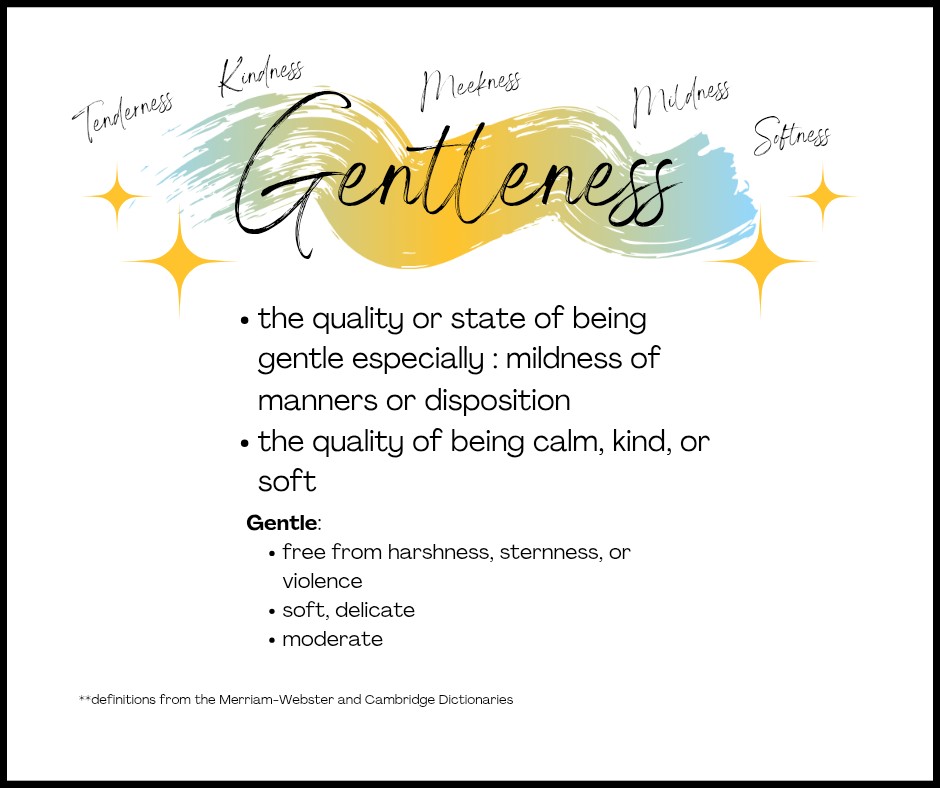





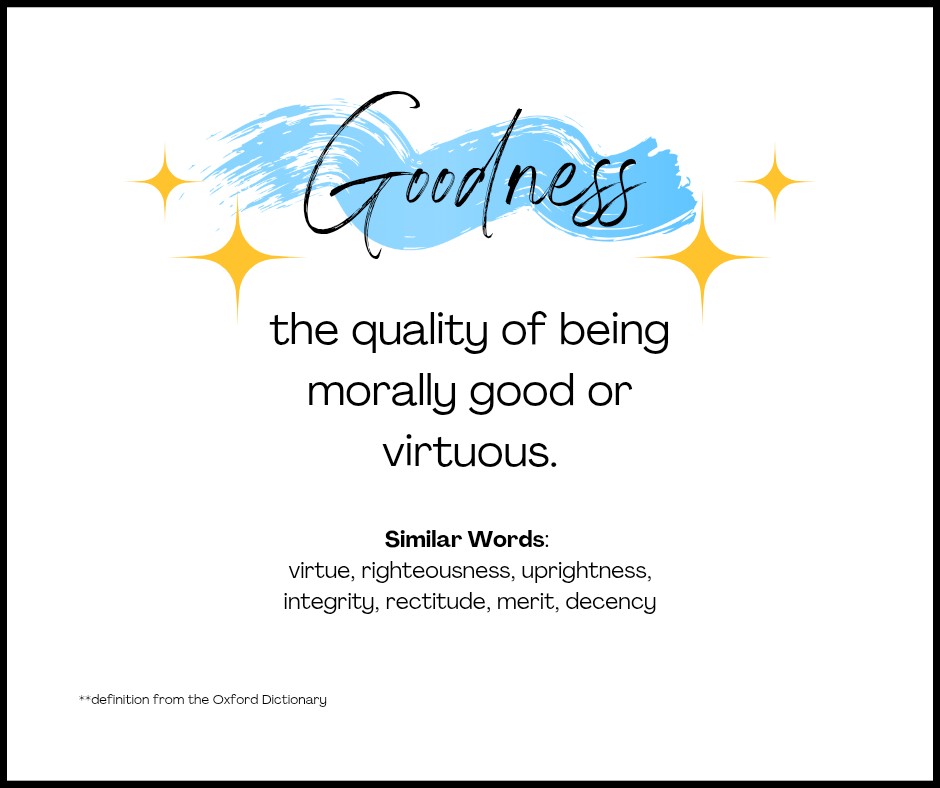
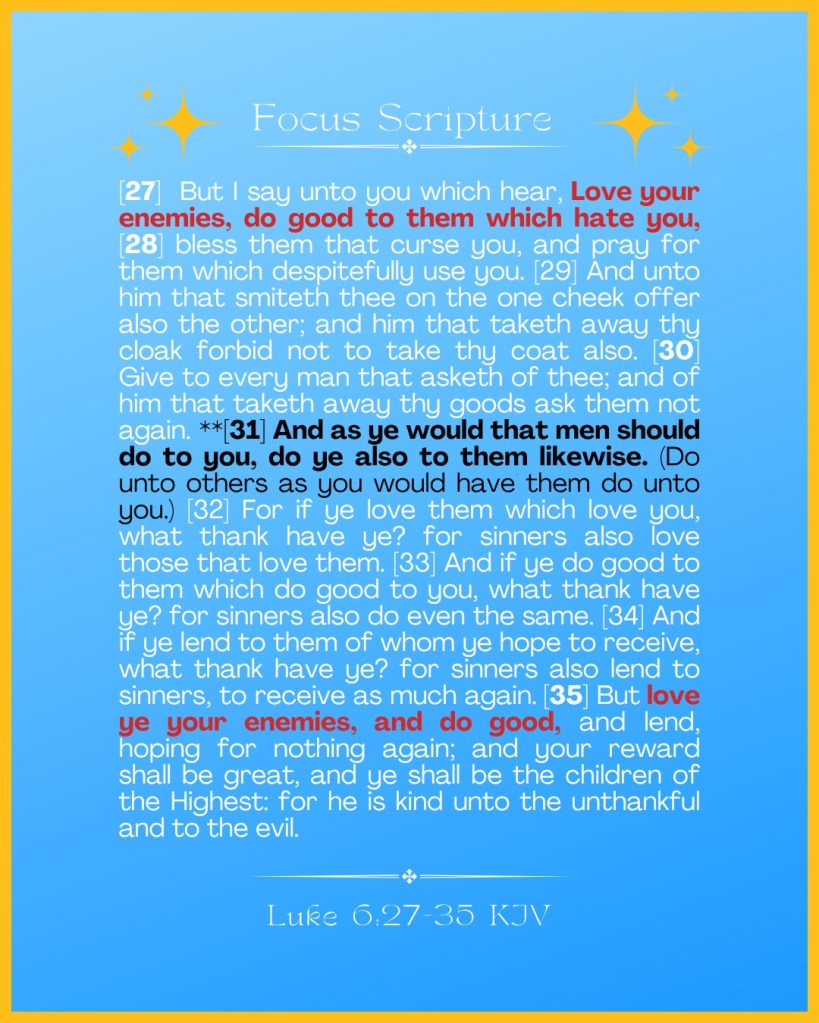
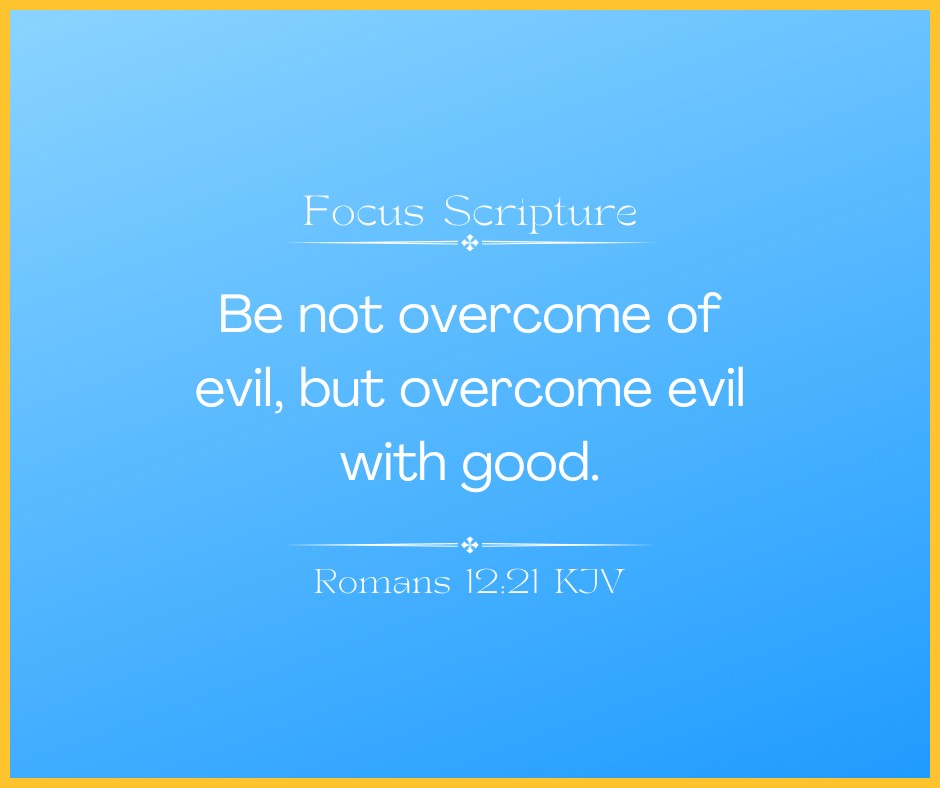
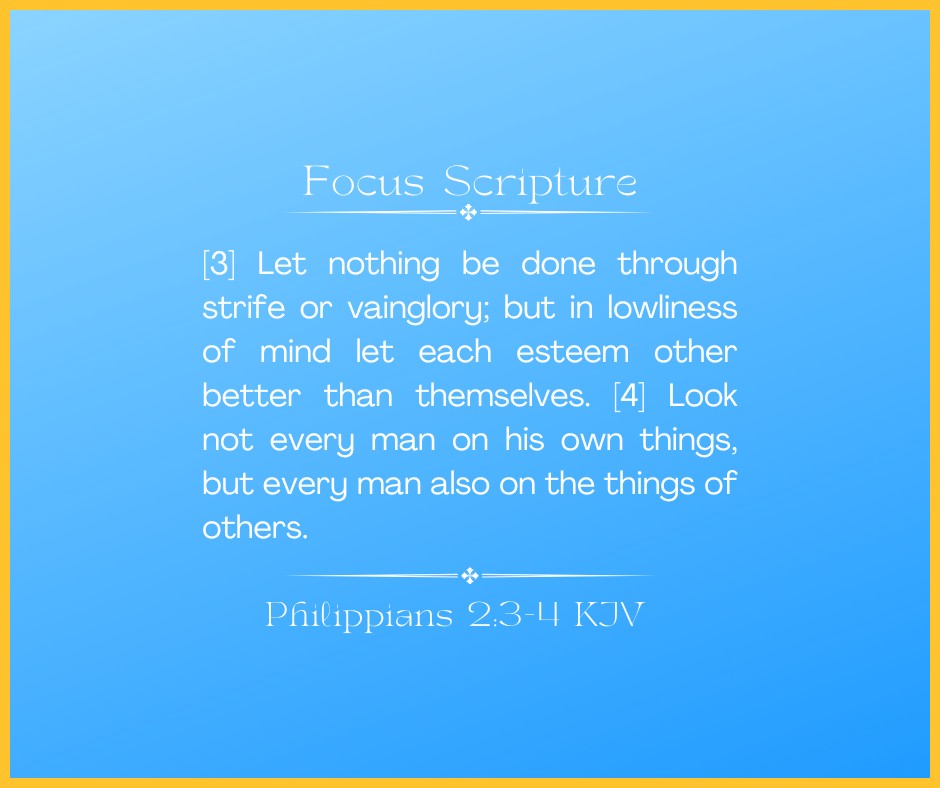
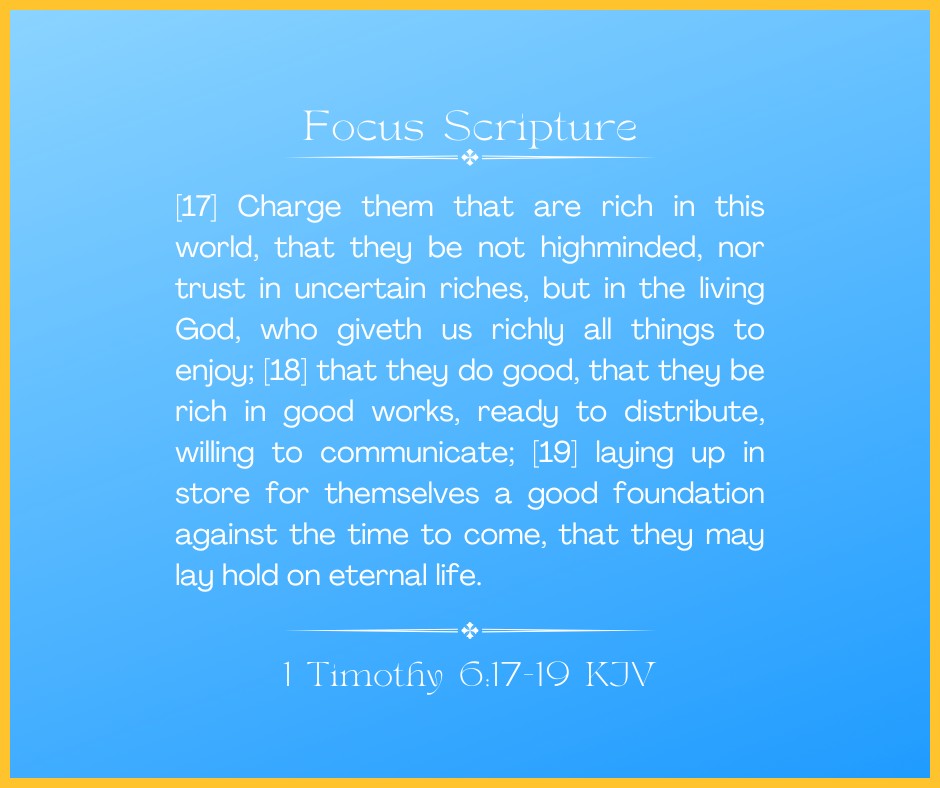

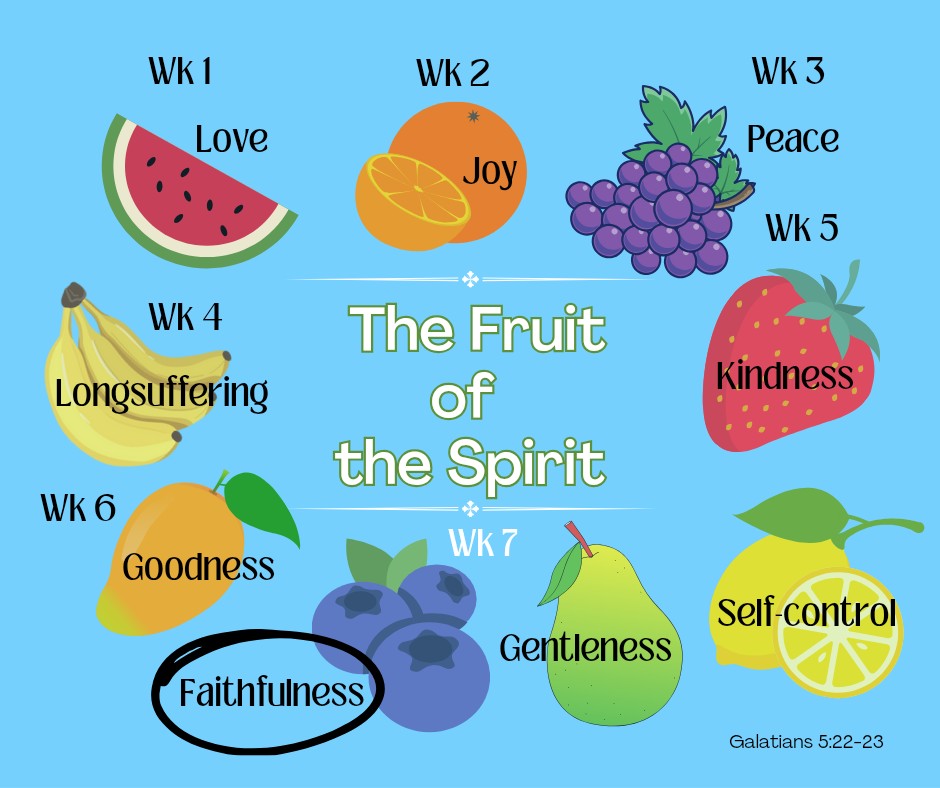


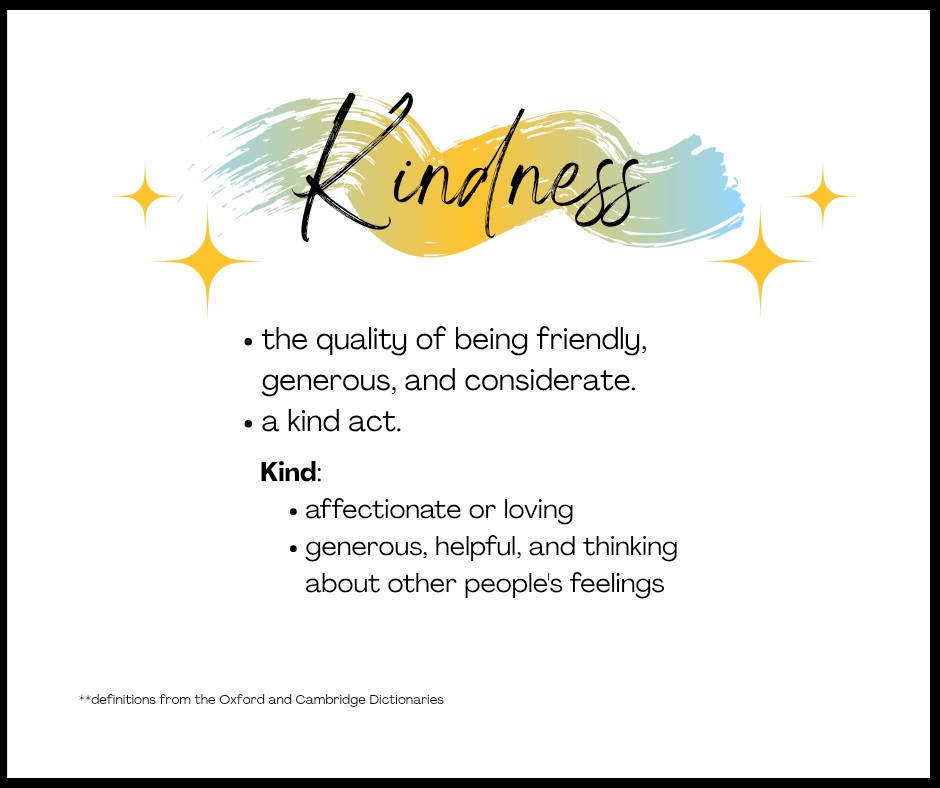

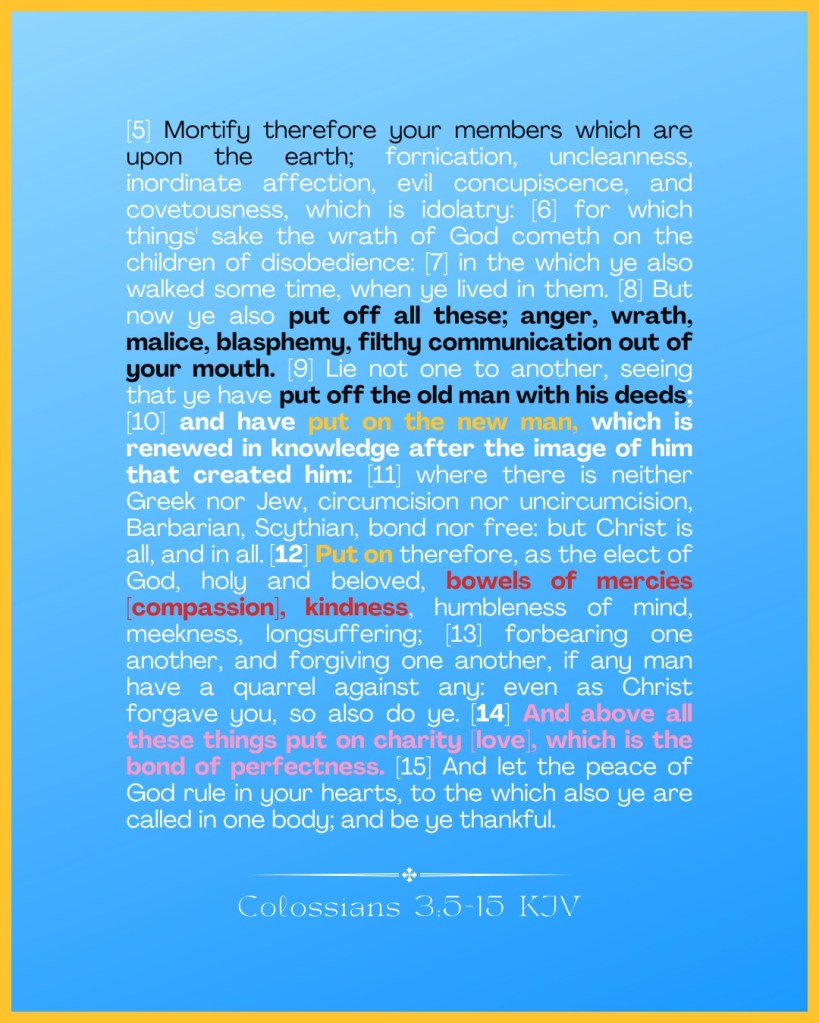


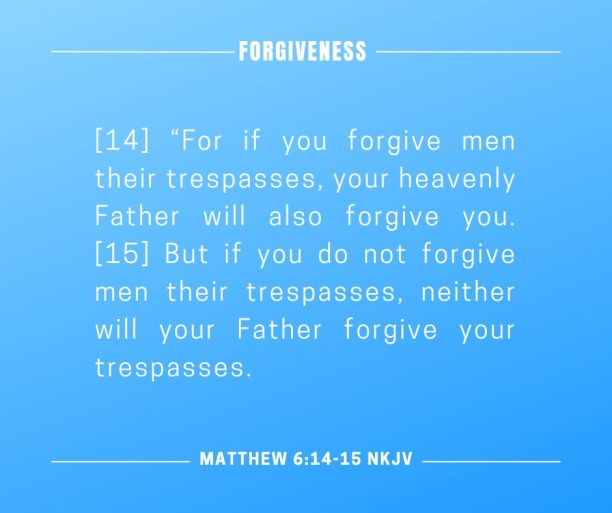


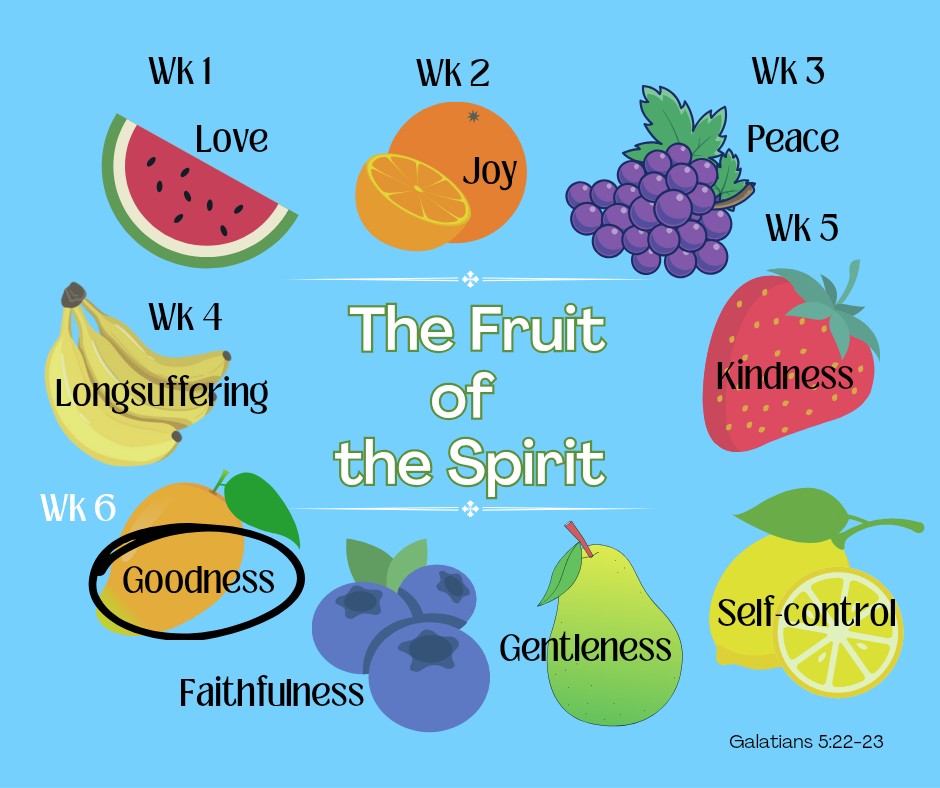


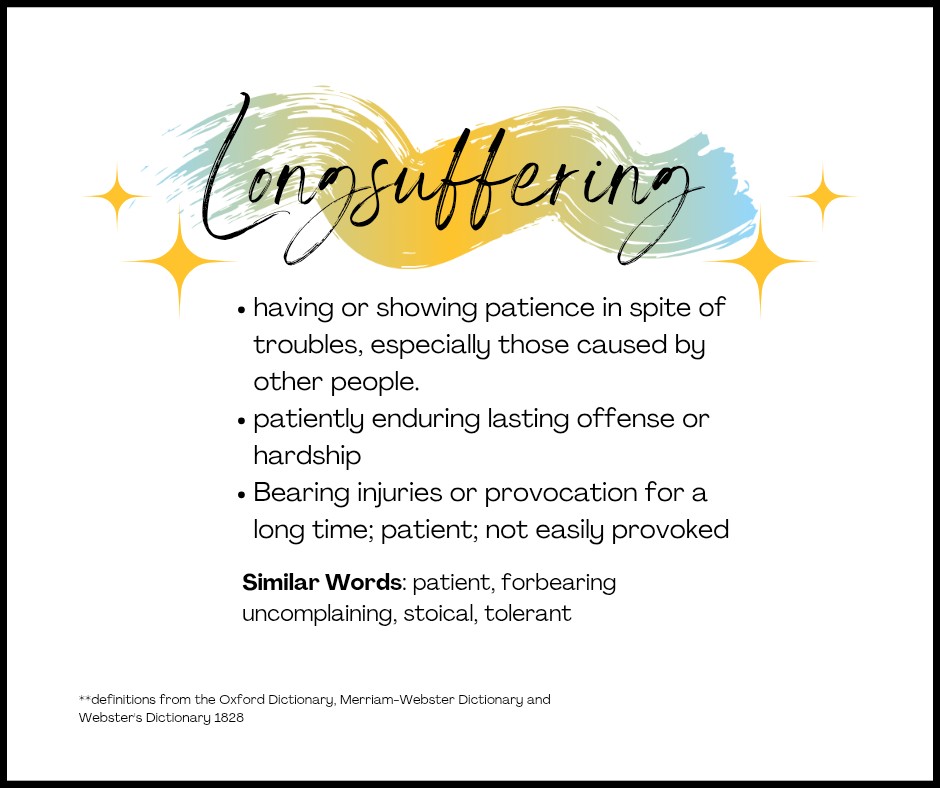

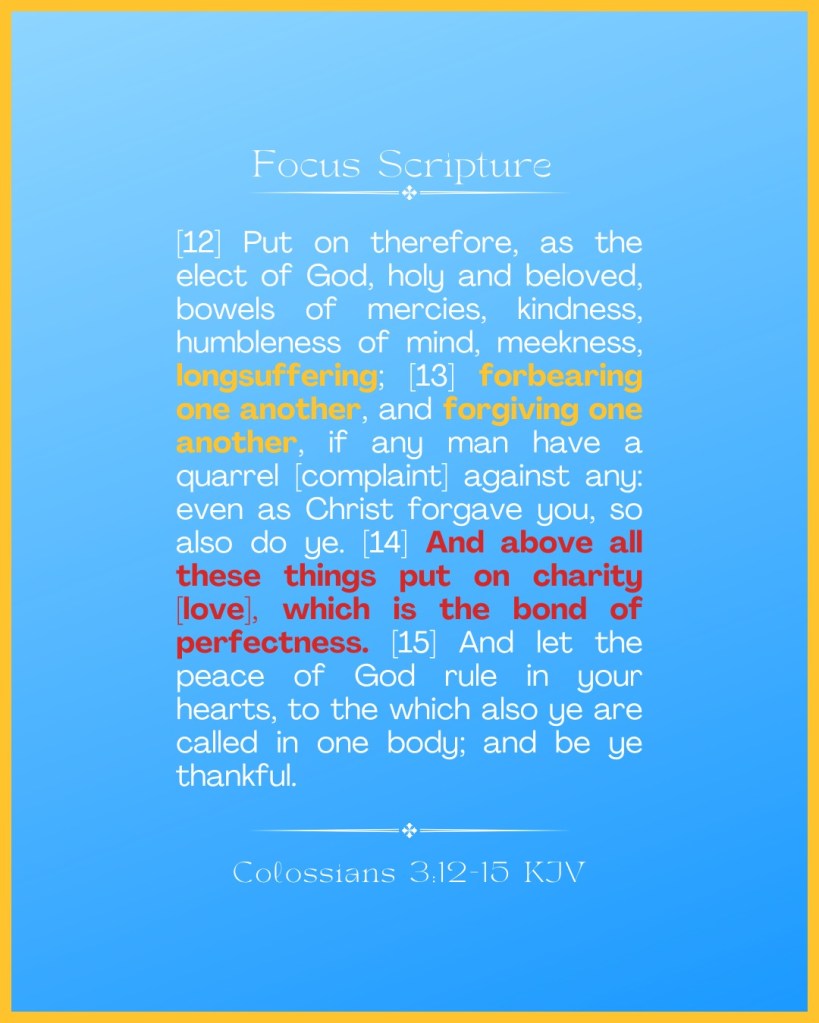
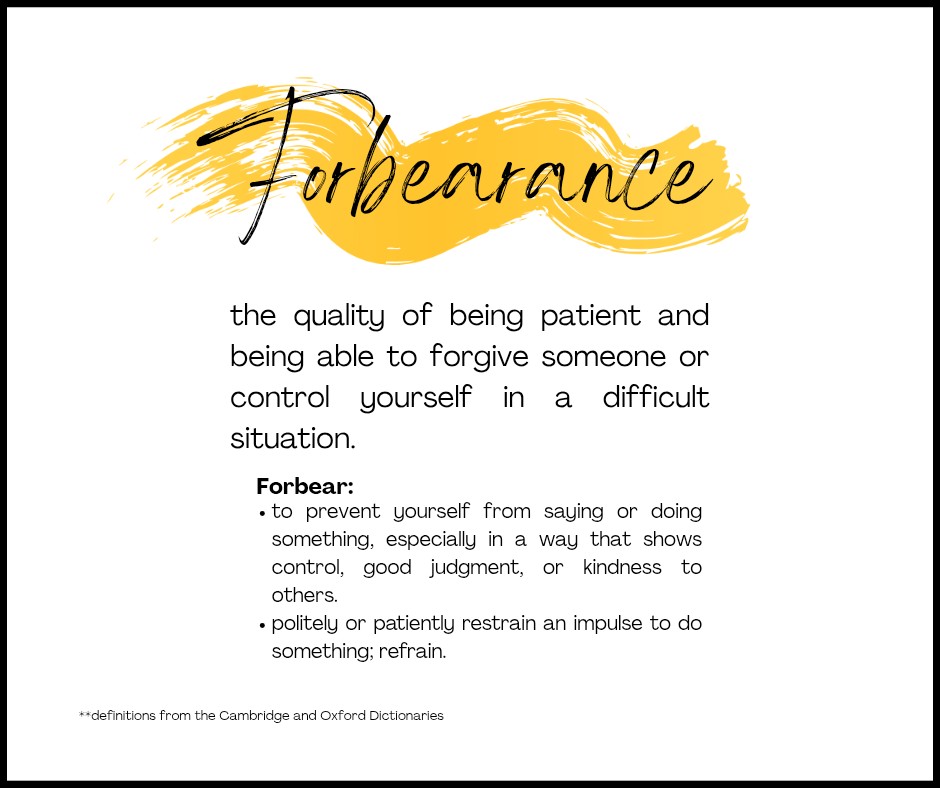




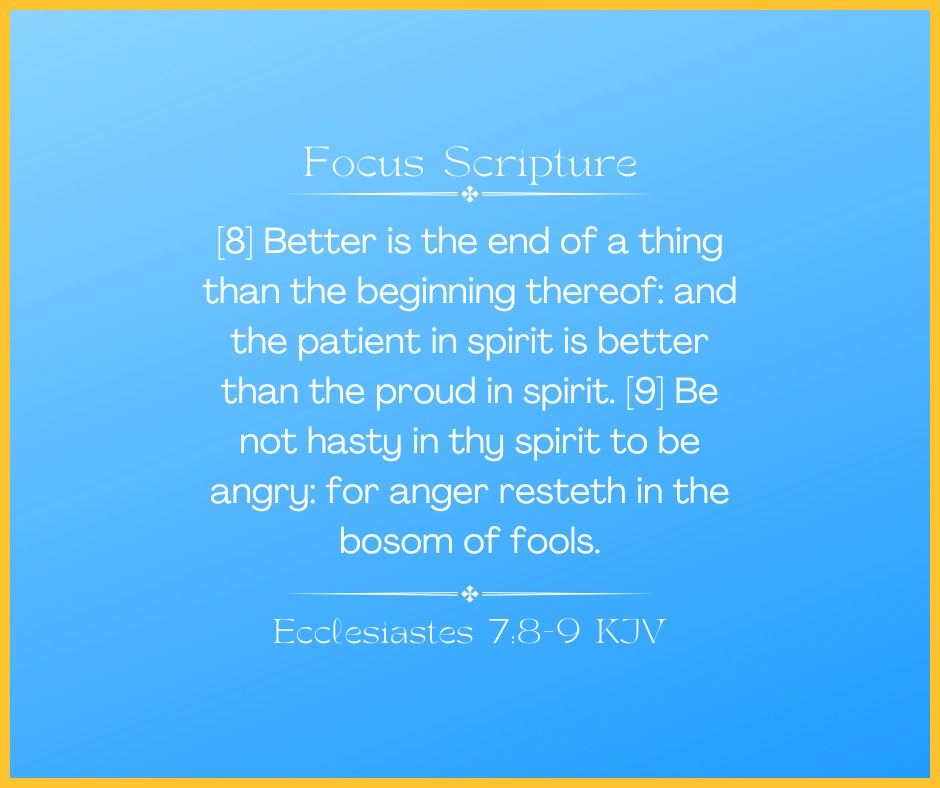
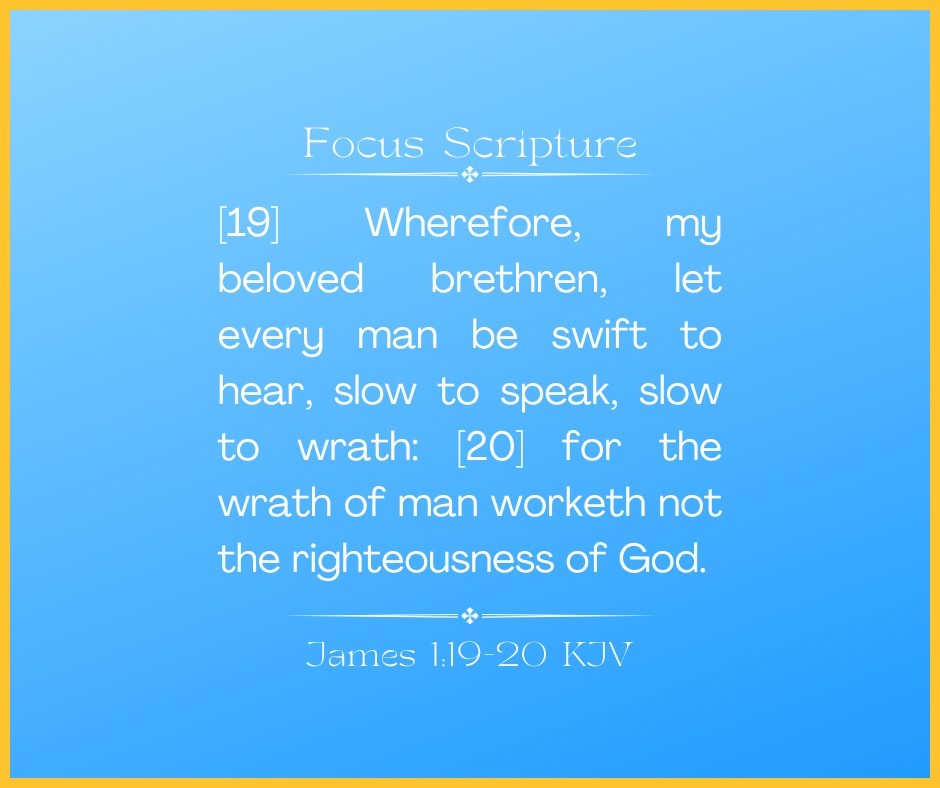



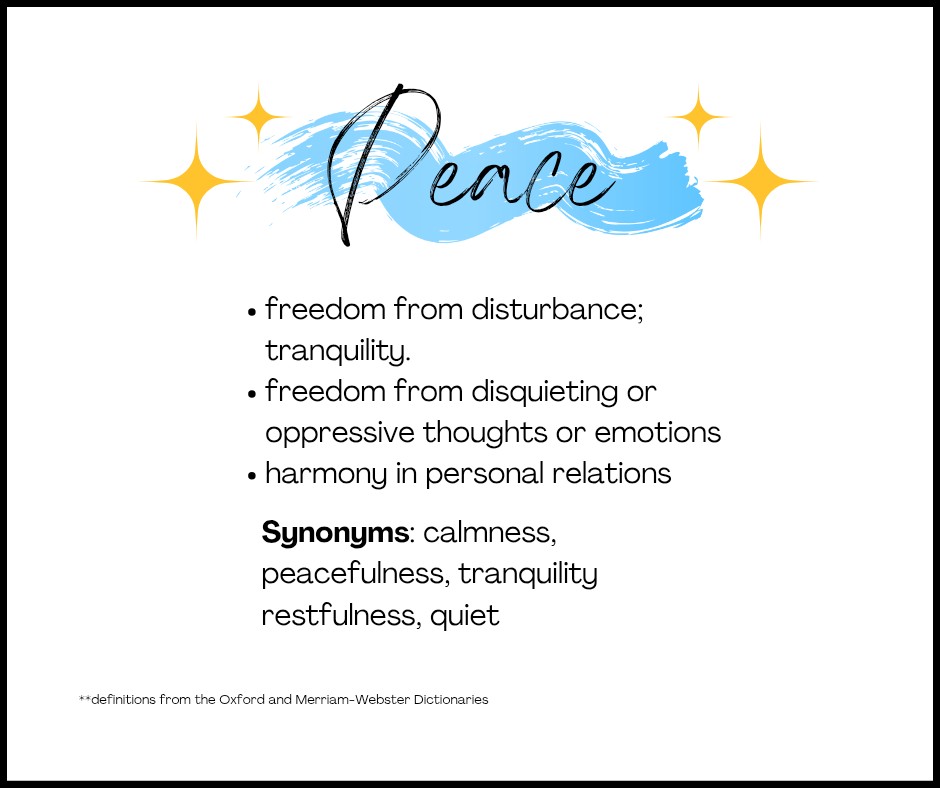
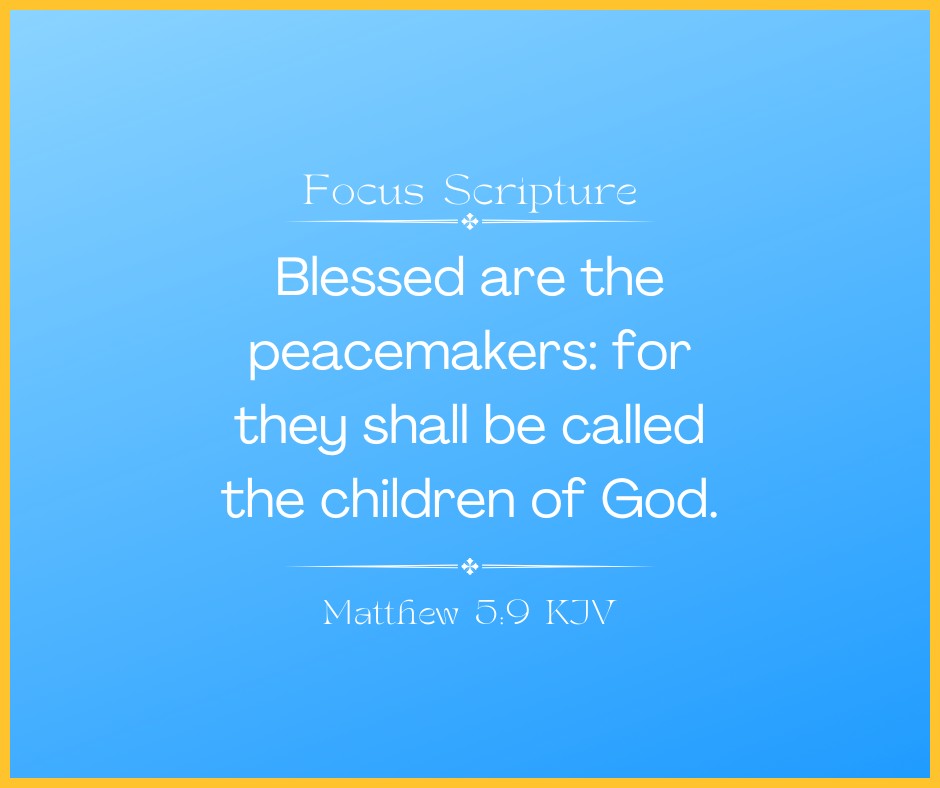



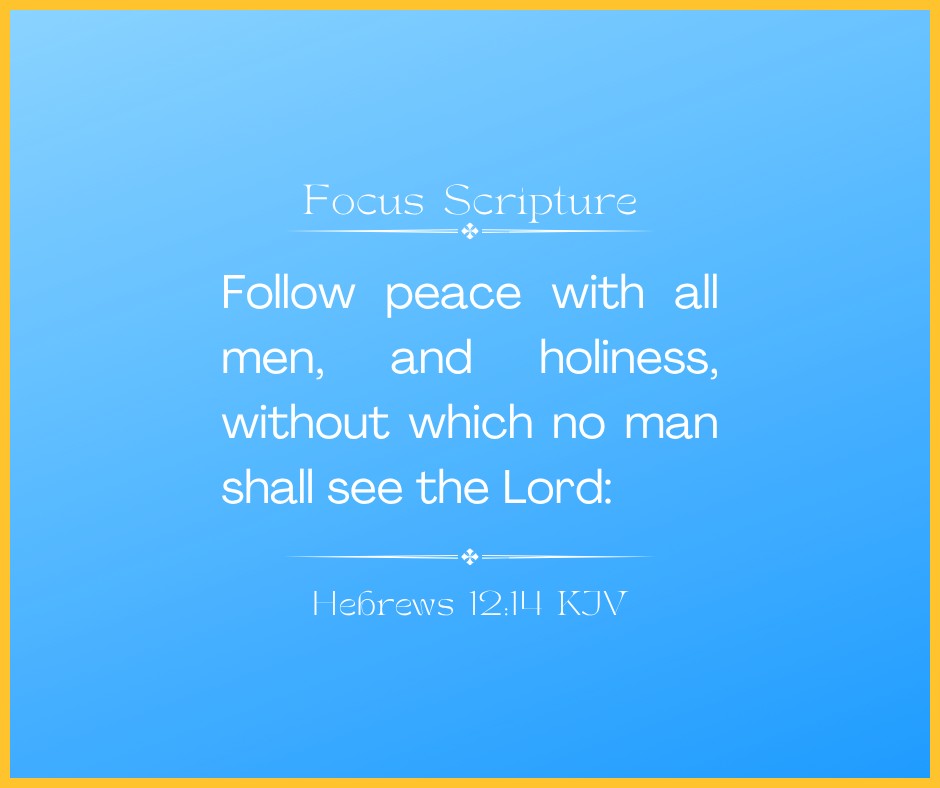

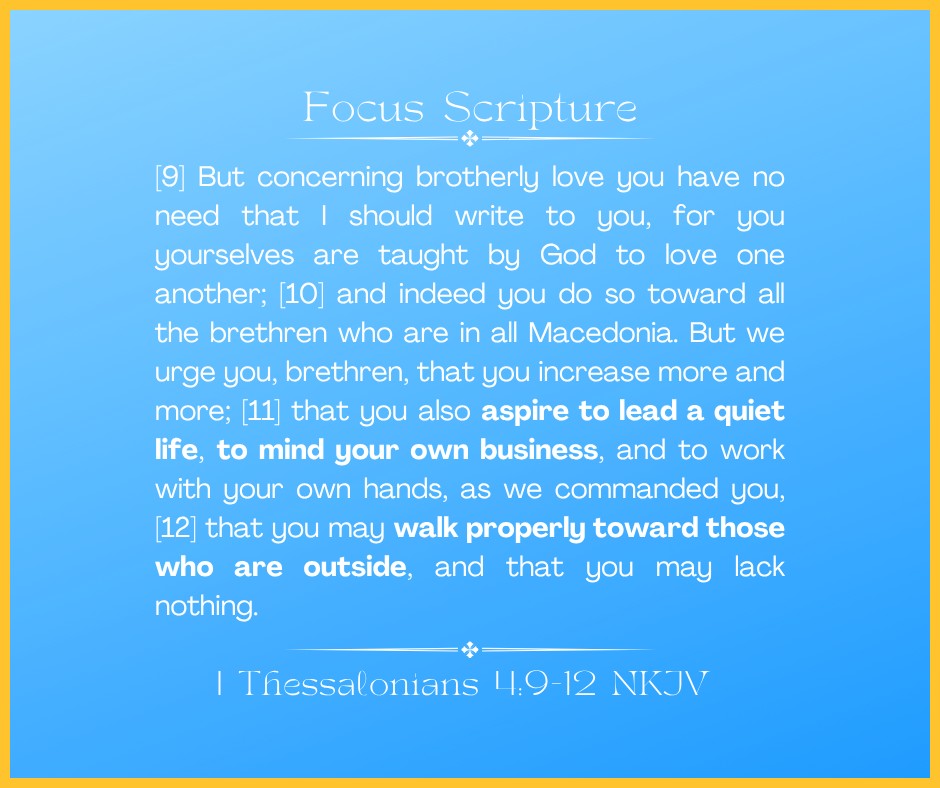
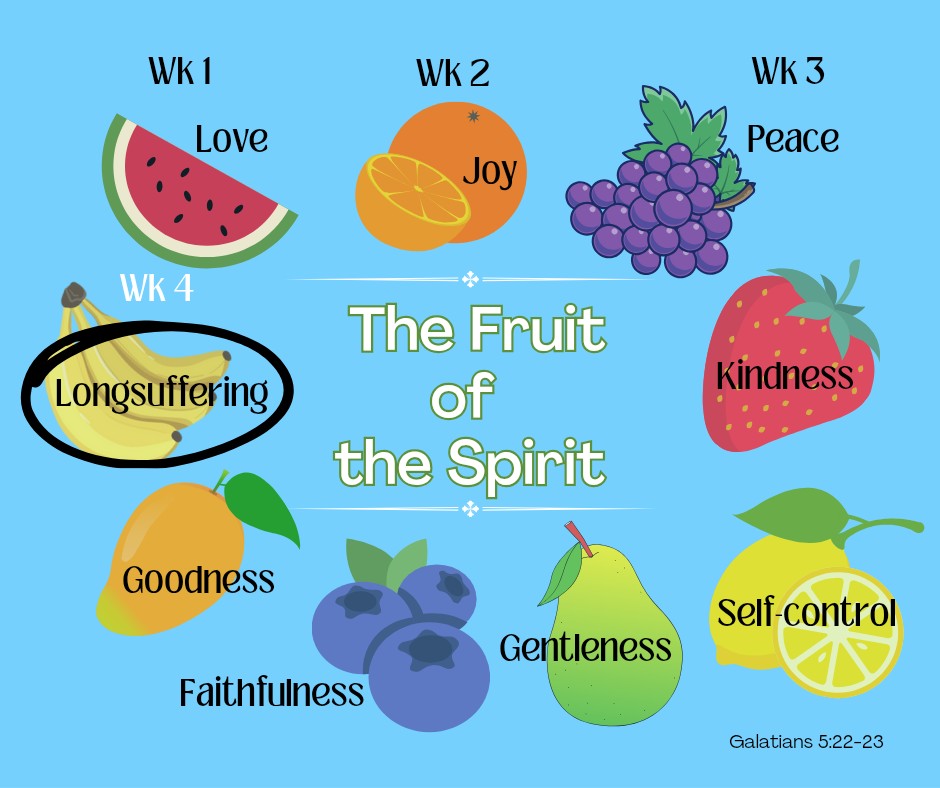

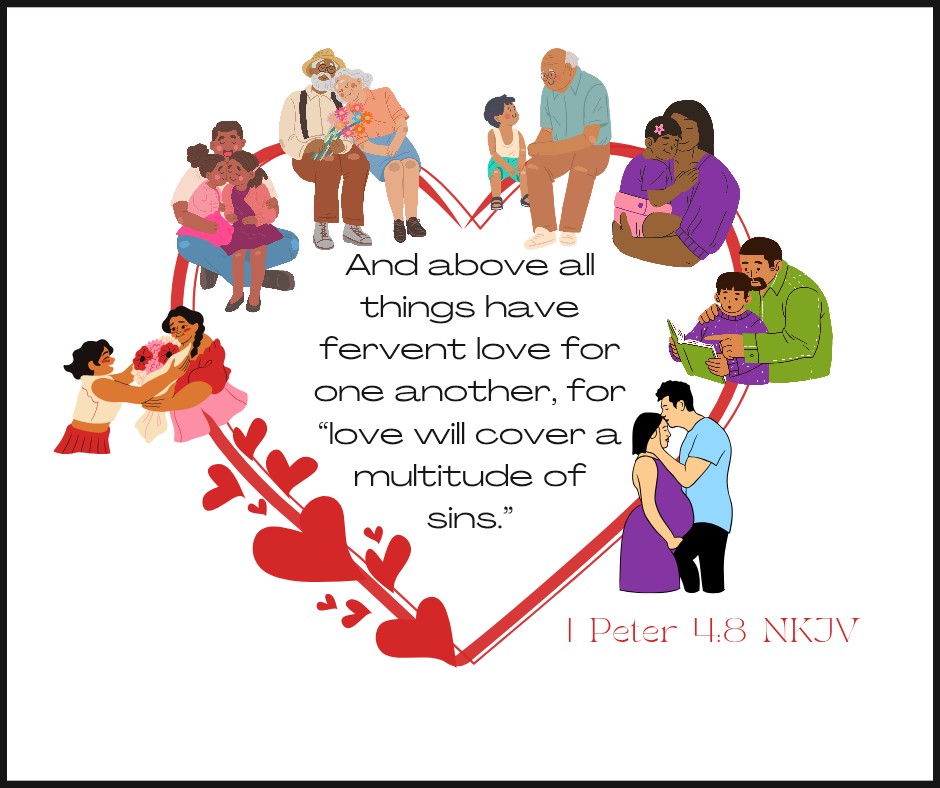

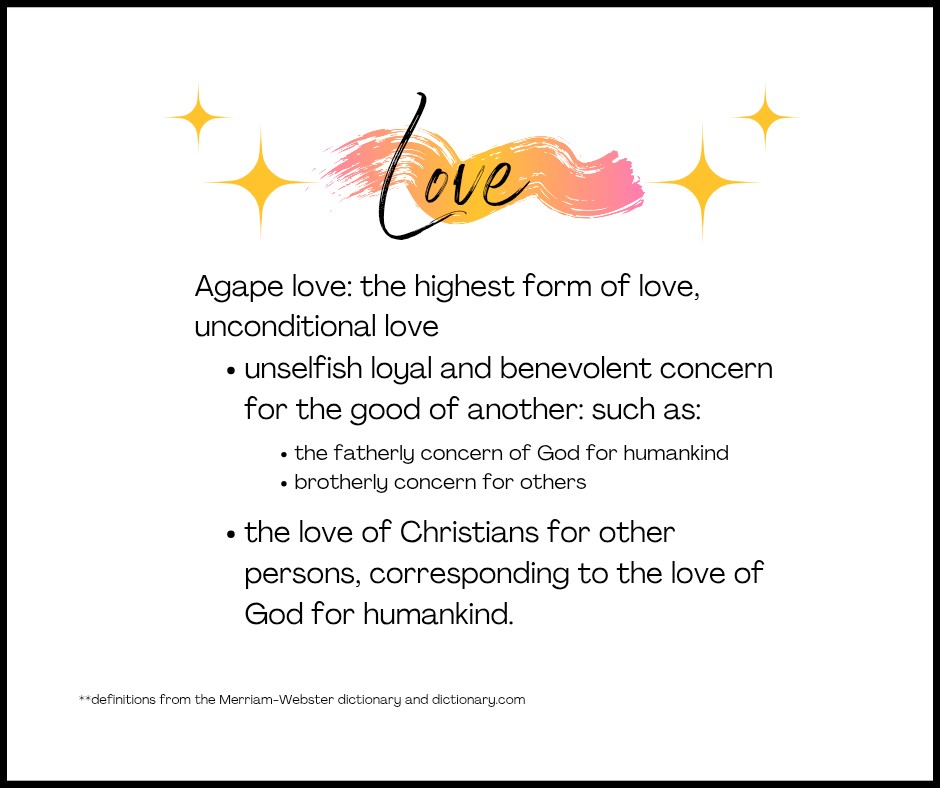




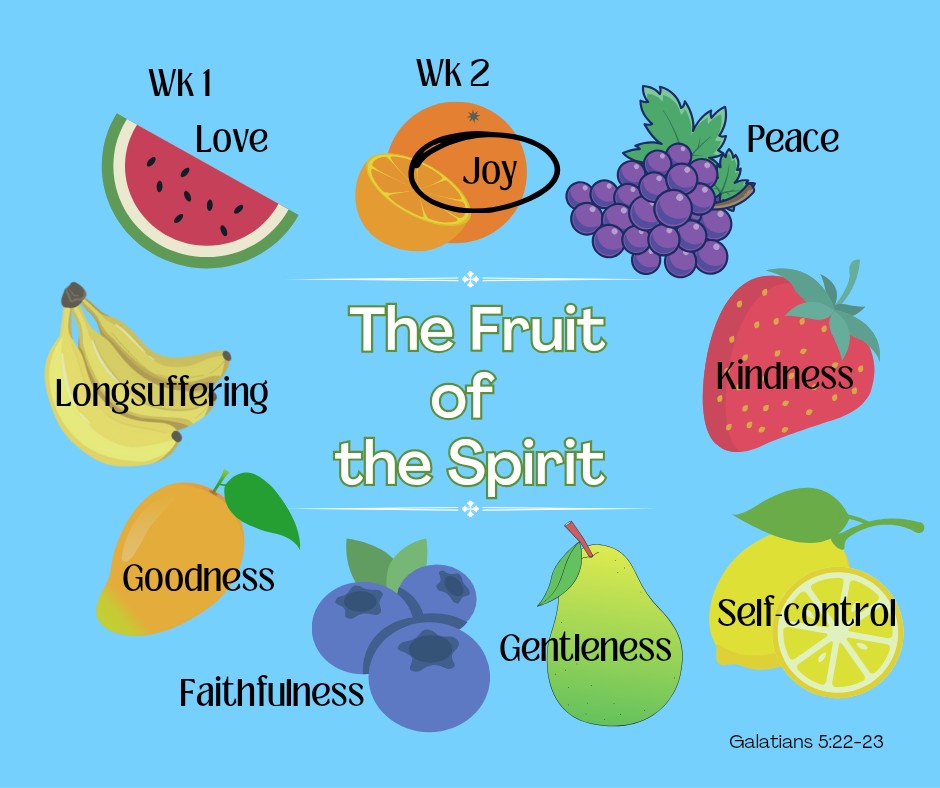



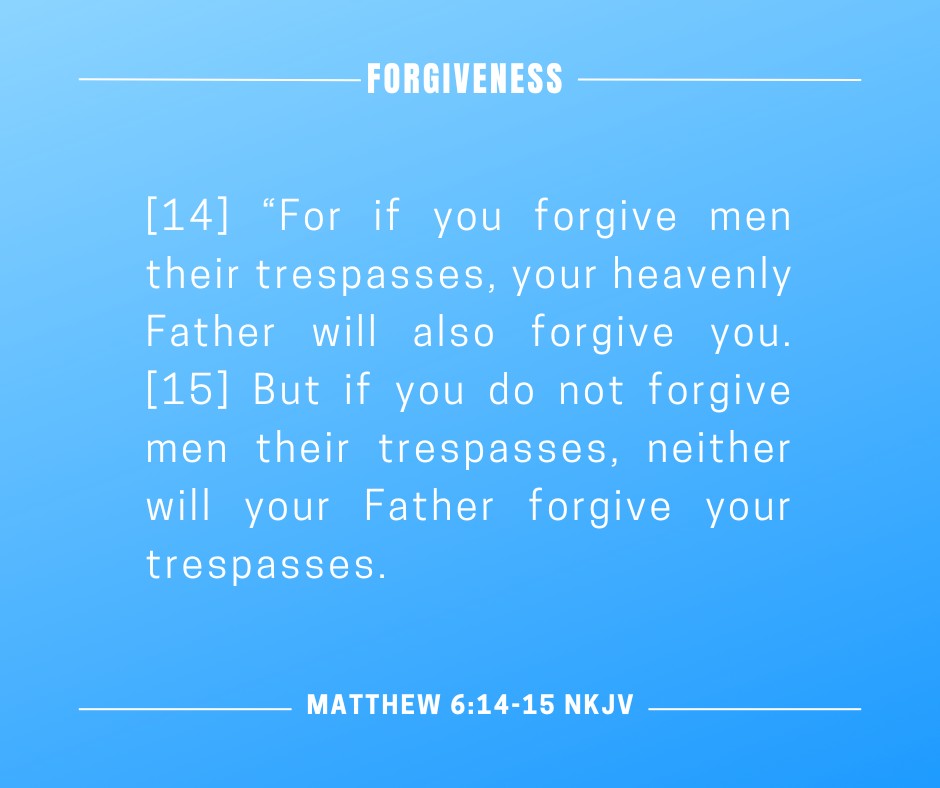







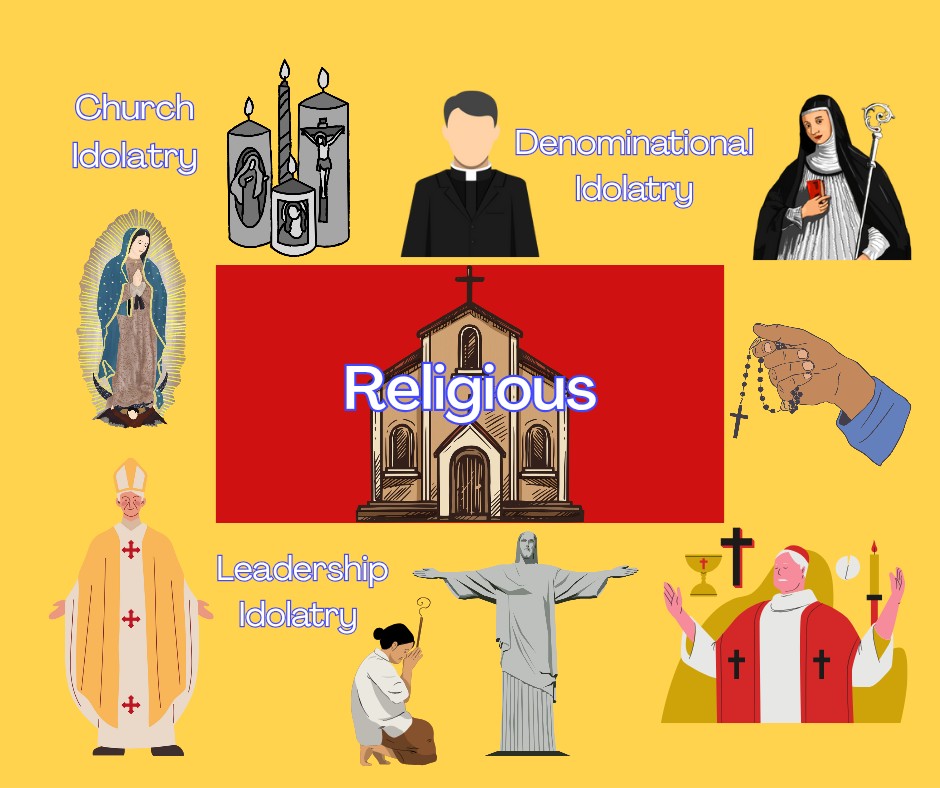

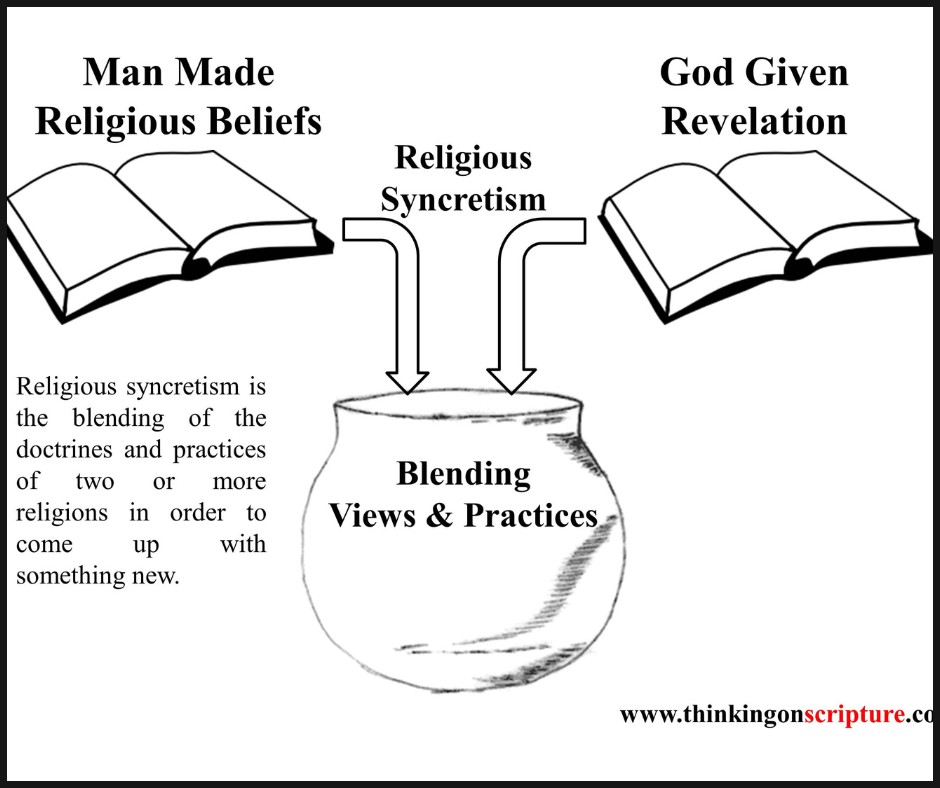







You must be logged in to post a comment.